Featured Itineraries
Discover handcrafted itineraries from experienced travelers around the world
All Itineraries
18 itineraries found
 New York City
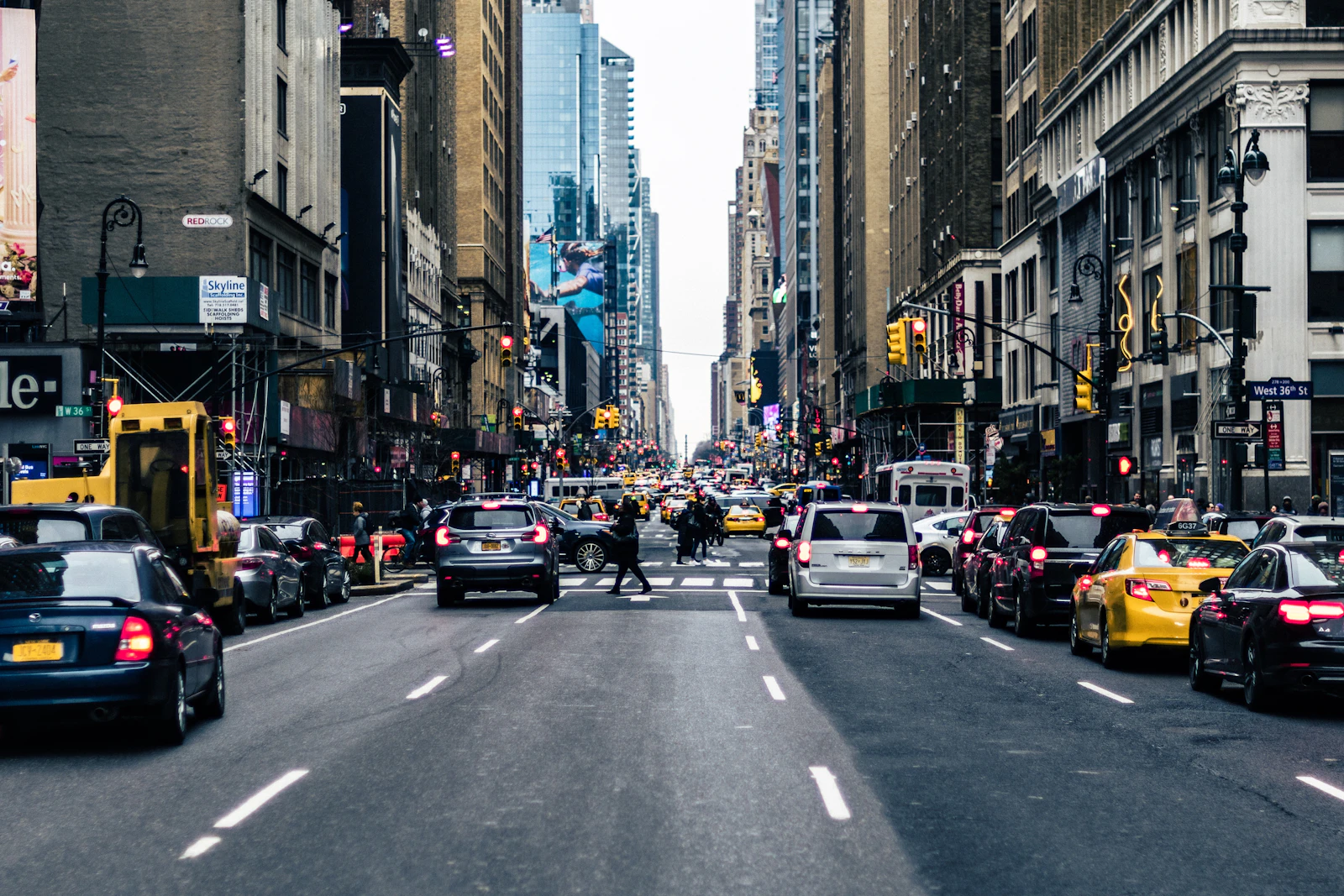
New York City 5-Day Full Immersion
Five days in New York is when the checklist breaks down and the city starts to feel like somewhere you know. The iconic-Manhattan opener of a 2-day trip gets replaced by something more considered: Brooklyn first, then the immigrant Lower East Side, then the art institutions and the final dining room. The density never decreases, but the pace does. The itinerary covers two boroughs and the full arc from Brooklyn's botanic garden and 19th-century museum to Hudson Yards' glass towers and the Met's pharaonic halls. The immigrant east side — Russ & Daughters, the Tenement Museum, Katz's, Peter Luger across the bridge — takes a full day. The High Line, the Whitney, and Chelsea Market take another. The final stretch belongs to Liberty Island, the 9/11 pools, and the museum mile from Frick to Guggenheim, closing with Per Se.
 Acelogue
 Rome
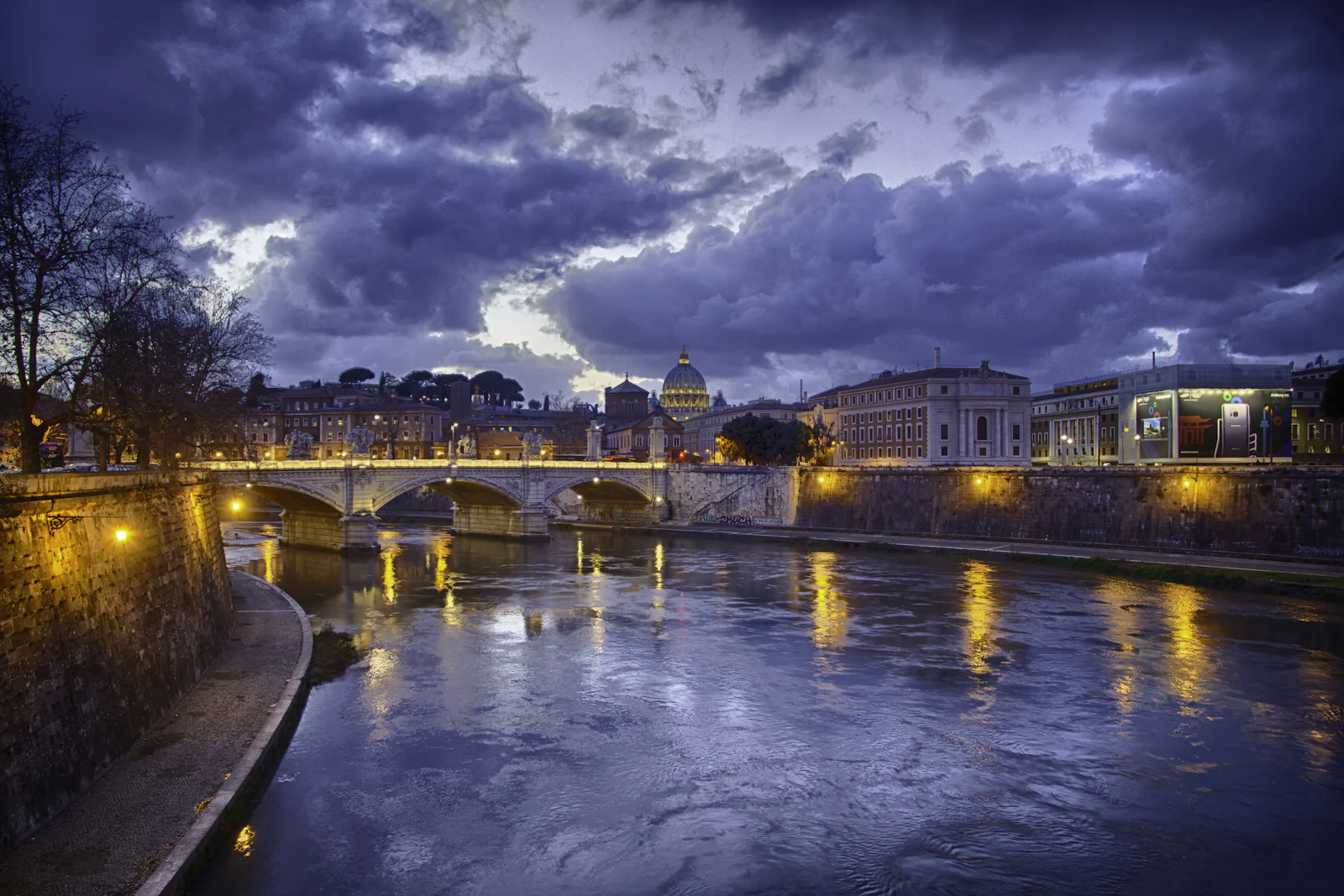
RomeRome 2-Day Ancient + Vatican
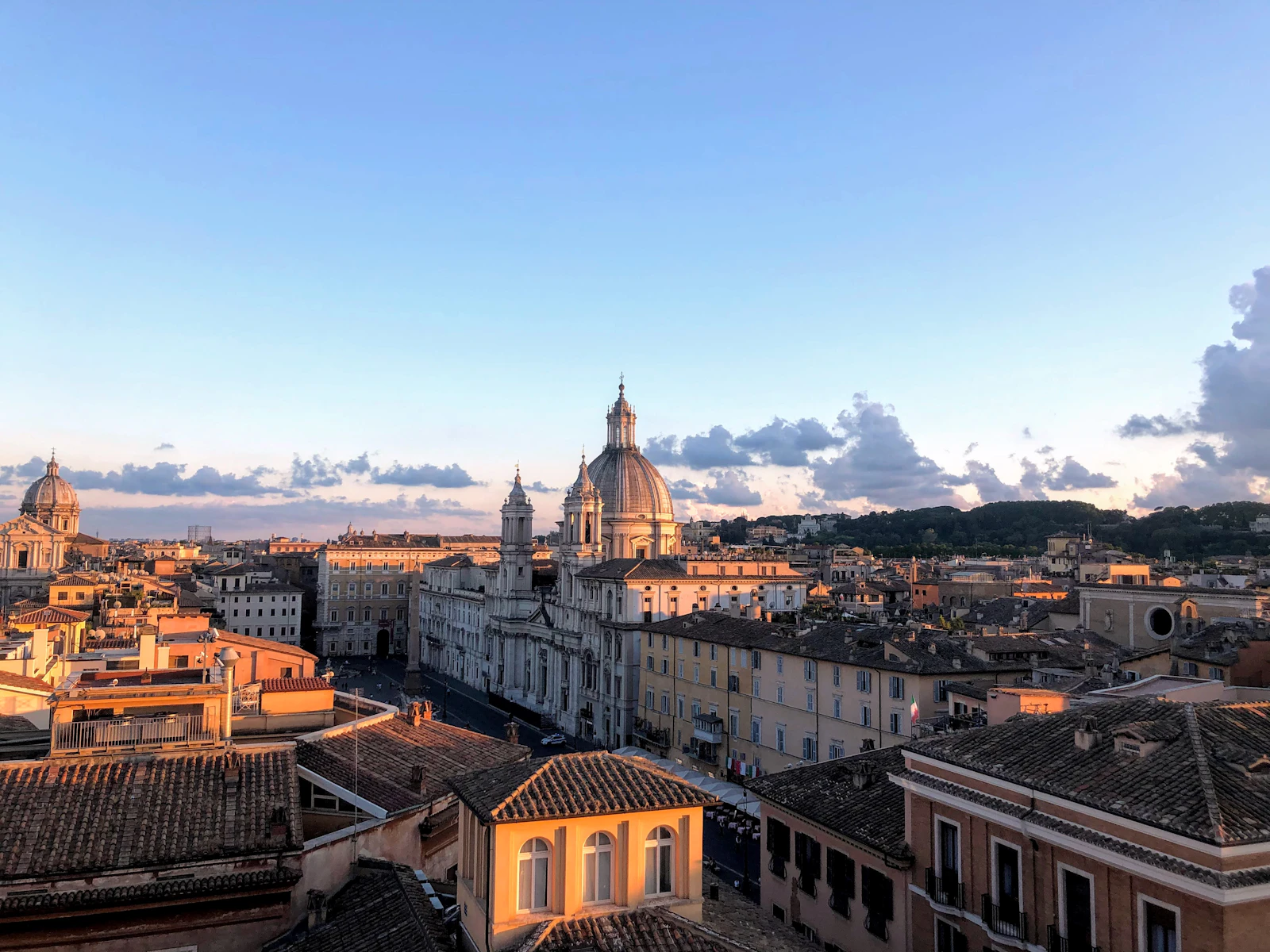
Rome was already a ruin when Michelangelo arrived. The city operates on a 2,000-year accumulation of debris — one civilization's rubble becomes the next one's foundation, which becomes the one after that's quarry material. The two-day version can't get to the Basilica di San Clemente, where three complete eras of Rome are stacked in one building, each using the previous one as a basement. But the principle applies everywhere. The Vatican occupies the first full day: the museum complex in the morning before the tour buses fill it, St. Peter's afterward, the Ponte Sant'Angelo approach, and the Pantheon in the late afternoon while the oculus catches the correct light. The second day belongs to the ancient city: Colosseum at 08:30 before the queue forms, the Forum's ruined basilicas and vestal temples, Palatine Hill's imperial frescoes on the combined ticket, and the Capitoline Museums' Caravaggio and the she-wolf that started the whole story. Both days close at restaurants with the right relationship to their geography.
Acelogue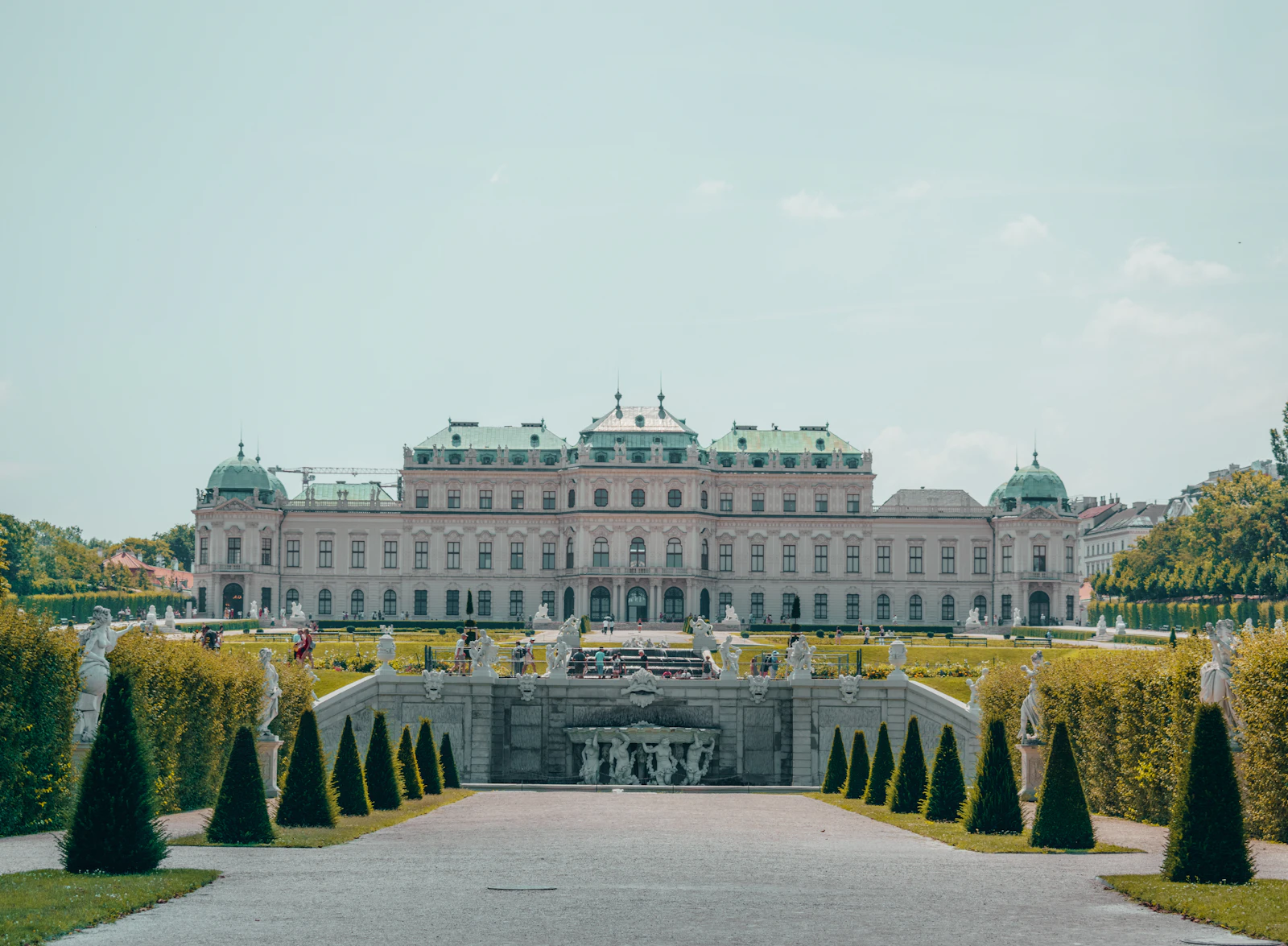 Vienna
Vienna 2-Day Innere Stadt + Palace Loop
Vienna arranges itself by what survived the 19th century and what it built during it. The medieval Innere Stadt sits inside the Ringstrasse — the 5.3-km circular boulevard Franz Joseph ordered built in 1857 after demolishing the old walls, stitching the Parliament, Rathaus, Votivkirche, Kunsthistorisches, and Naturhistorisches into a single outdoor architectural argument. Inside the ring, at the center, the Hofburg winter palace occupies 240,000 m² across 19 courtyards and 18 wings, with a Sisi Museum built around an empress who spent her life fleeing the institution she was married into. The two summer palaces outside the Ring are the version of Vienna that Franz Joseph's bureaucracy justified as necessity. Schönbrunn's 1,441 Rococo rooms and the Gloriette hill behind them were Maria Theresa's; Belvedere's twin Baroque palaces were Prince Eugene's trophy residence. The Klimt Room in the Upper Belvedere — 'The Kiss,' 'Judith I,' and eighteen other canvases in one room — is the most concentrated gathering of Klimt in existence. Zum Schwarzen Kameel's standing counter on Bognergasse, operating since 1618, is where the day ends.
Acelogue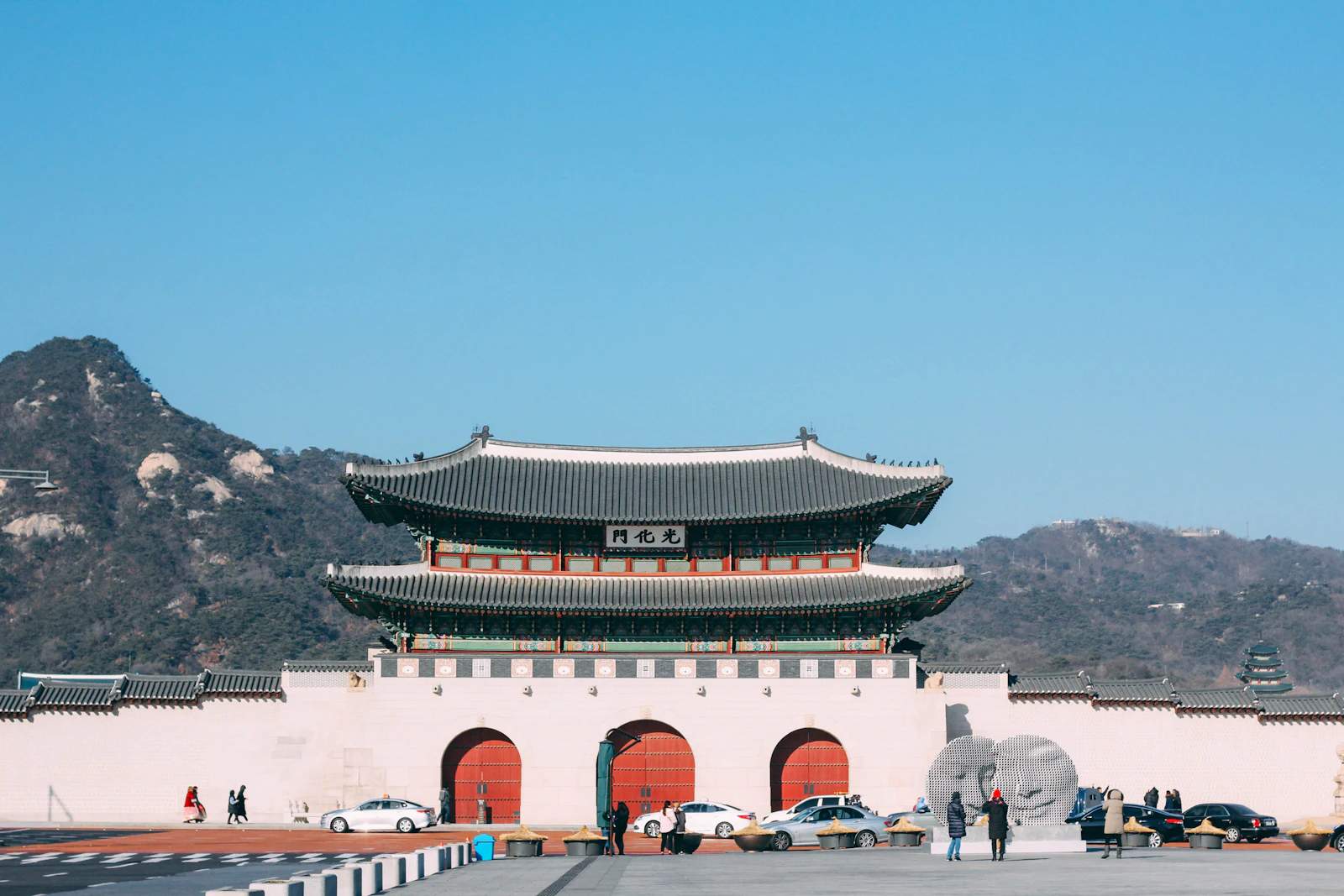 Seoul
SeoulSeoul 2-Day Food & Palaces
Seoul runs at a speed that other Korean cities don't attempt. The Han River divides the old north — Joseon palaces and hanok villages, whatever the 20th century didn't demolish — from the new south, where Gangnam absorbed the economic ambition of the last forty years. The city changes register every subway stop, and the stops themselves are labeled in four languages because every generation added one. Two days covers the north-south gap. The first works Namsan and the central arc: the tower above the city, Myeongdong's street-food density, and a dinner reservation at La Yeon for Korean cuisine at its most formally composed. The second belongs to the palace district — Gyeongbokgung's enormous grounds, Tosokchon's ginseng chicken soup in the lane behind the west wall, the hanok neighborhoods of Bukchon and Ikseon-dong through the afternoon and evening, and Jogyesa Temple lit after dark.
Acelogue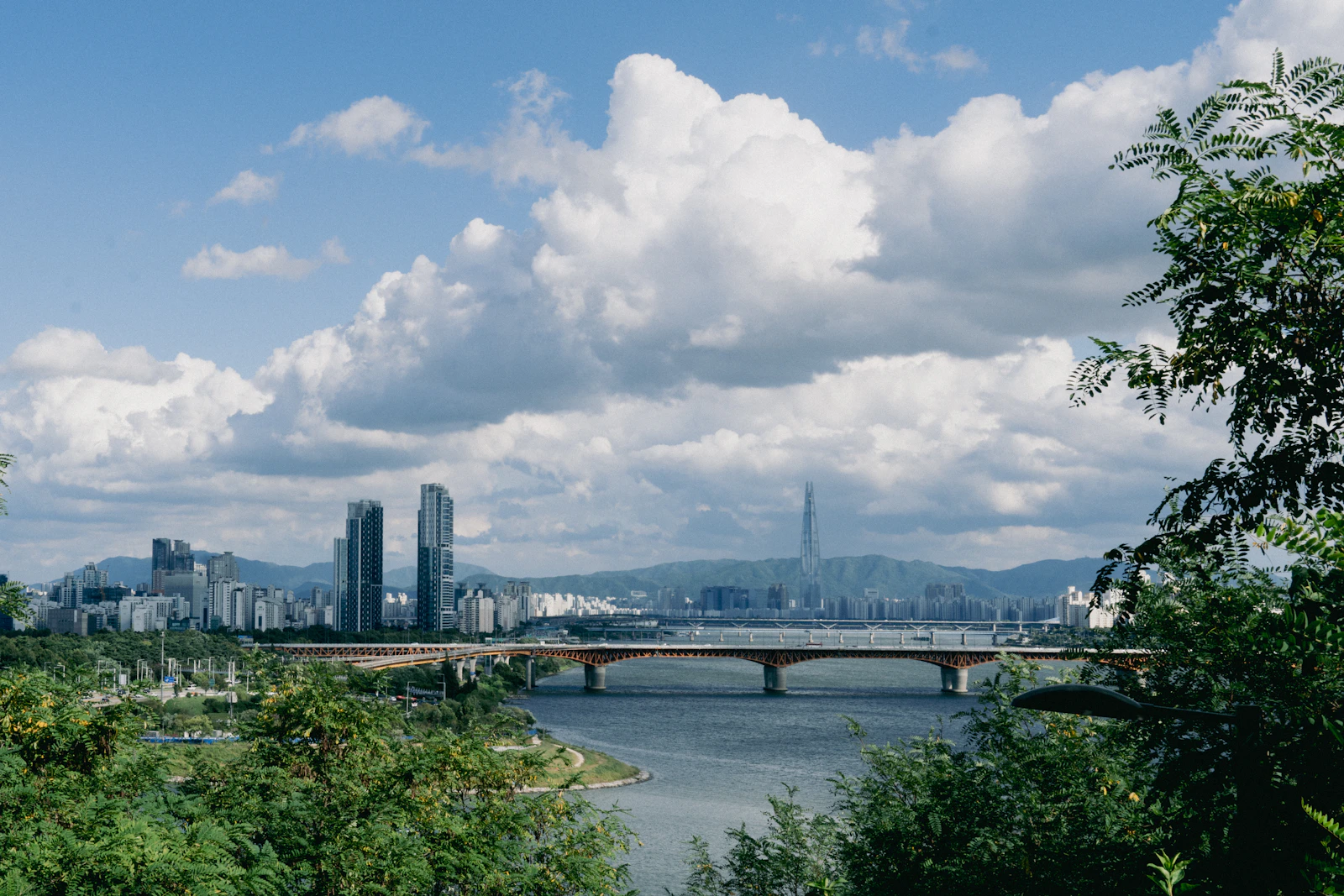 Seoul
SeoulSeoul 5-Day Deep Dive
Five days is enough time to understand why Seoul keeps producing people genuinely proud of it. Gyeongbokgung Palace and the Starfield Library's atrium are forty minutes apart by Metro and represent, between them, about six hundred years of Korean aspiration. The contrast is not always comfortable, but it is rarely dull — and the subway is fast enough that the city doesn't ask you to choose sides. The five days follow Seoul's geography west to east, then south. The Hongdae university quarter opens the trip, transitioning north through the palace district. Yongsan and Itaewon follow — the war museum, N Seoul Tower, dinner at Maple Tree House. The hanok and palace circuit comes next: Changdeokgung's Secret Garden, Bukchon, Ikseon-dong at night. The eastern quarter holds the market energy — Gwangjang, DDP's night architecture, the Lotte World Tower. Gangnam closes: Bongeunsa between the glass towers, Jungsik for a long lunch, Apgujeong, and Myeongdong's street food to finish.
Acelogue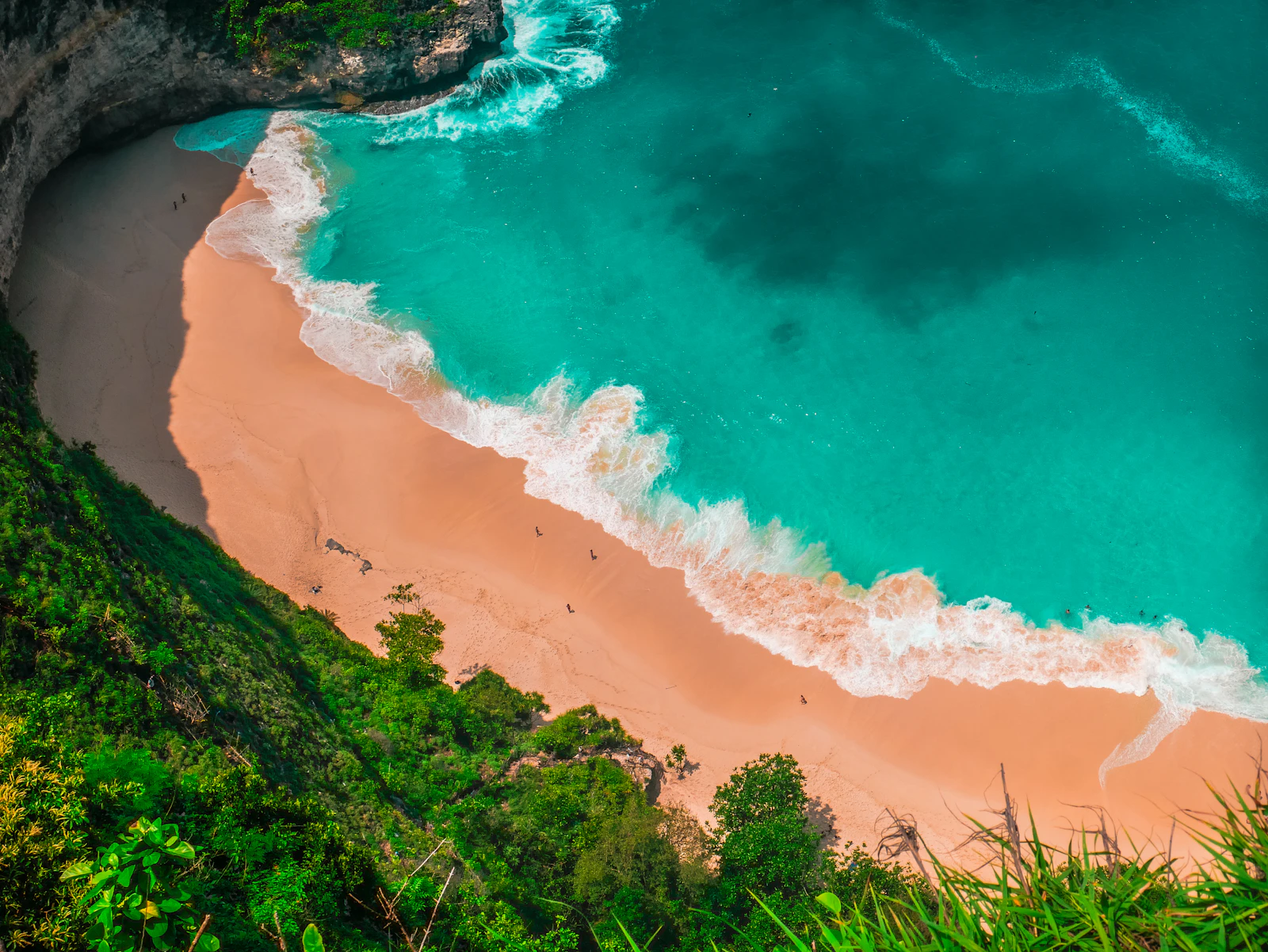 Bali
BaliBali 2-Day Ubud + Uluwatu
Bali doesn't have a center. It has zones — each one a different version of the island, separated by volcanic ridge roads and rice-paddy valleys that take longer to cross than a map suggests. The inland plateau smells of incense and wet earth, the morning light cutting sideways through elephant grass and terraced paddies that have been irrigated by the same subak water-sharing system for eight hundred years. The limestone Bukit peninsula in the south is something else: cliff-edge temples built on ocean rock, waves that travel unbroken from the southern Indian Ocean, a Kecak fire chorus that has been performed at Uluwatu since the 1970s to a sunset that doesn't disappoint. Two days traces both sides of that divide. The Ubud highland circuit — Tegalalang's terraced paddies, Campuhan Ridge, the macaque-colonized forest at the village's southern end — gives way on the second day to the coast: GWK's bronze colossus above the peninsula's limestone plateau, the Bukit's cliff-bound coves, and the evening's close at Jimbaran Bay with grilled fish on the sand.
Acelogue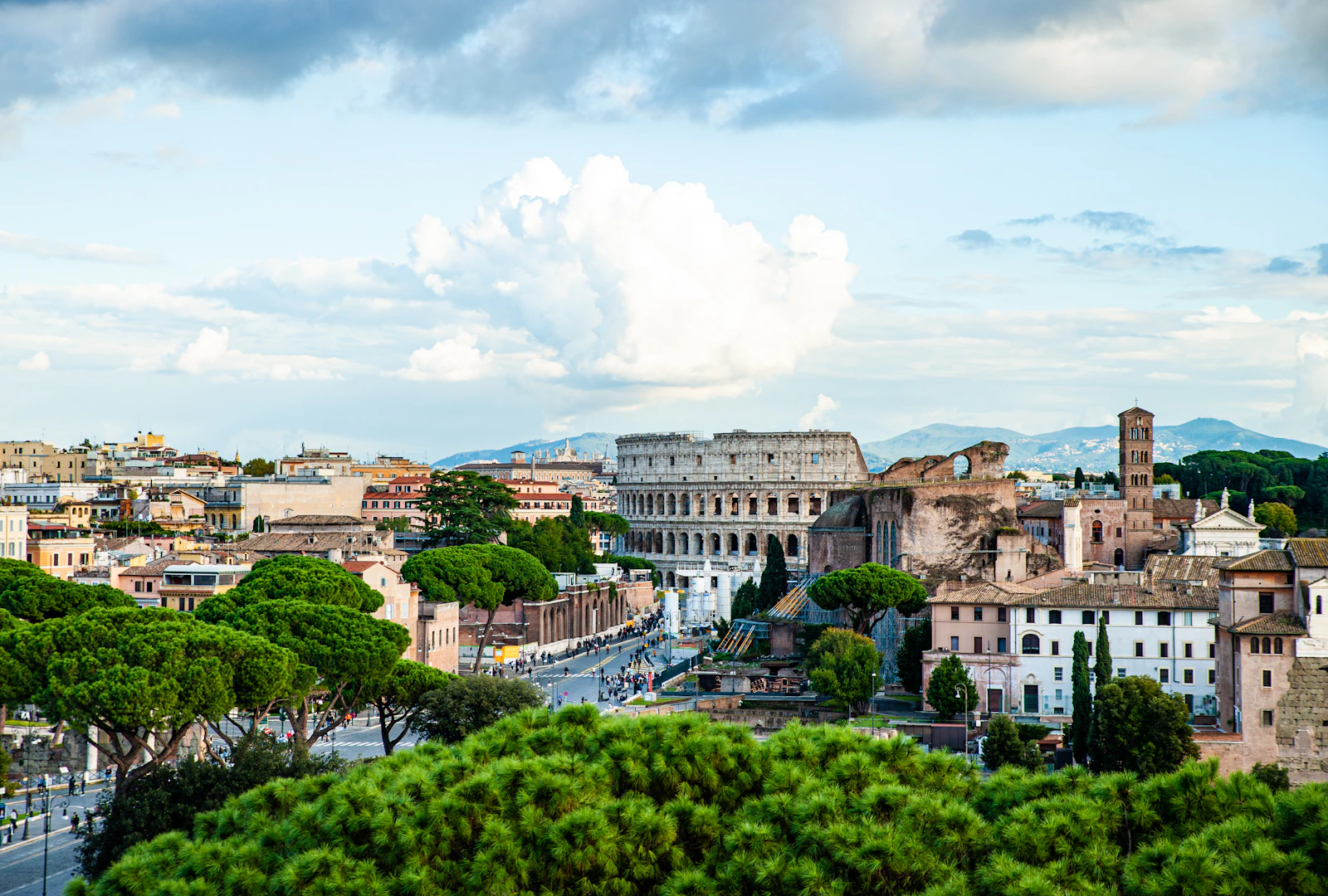 Rome
RomeRome 3-Day Classic
Rome has exactly three visible layers and the three-day format respects all of them without turning it into a forced march. The ancient layer is the one tourists arrive expecting; the papal-baroque layer is the one that keeps surprising them; the neighborhood layer — the Borghese's pine-shaded park, the wine bars off Piazza Navona — is the one that makes people extend their stay. The first day goes to the Vatican compound and its surroundings: four hours in the museum complex with a Pizzarium lunch to recover, St. Peter's, Castel Sant'Angelo, and a Michelin dinner in the shadow of it all. The second day reverses the standard tourist sequence — starting at the Borghese Gallery's Bernini room before the mandatory 2-hour window closes, walking south to Piazza del Popolo, and ending at the Pantheon with a wine-bar dinner one block off Piazza Navona. The third day handles the ancient core at depth: the Colosseum at 08:30, Trajan's 2,000-year-old shopping mall, and the church that is three churches buried inside each other.
Acelogue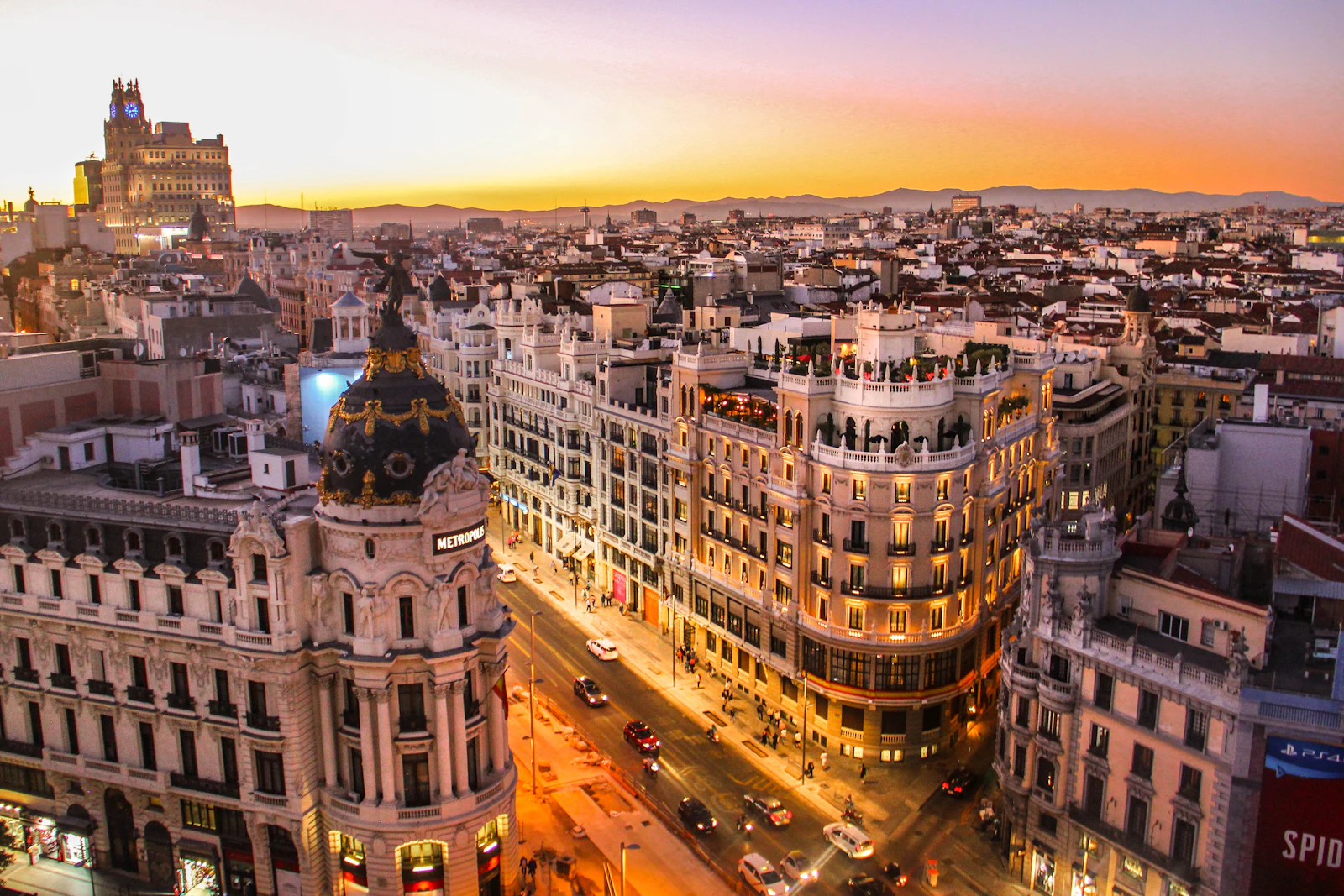 Barcelona
Barcelona 3-Day Classic
Barcelona's three registers each hold a full day's attention without repeating themselves. The Eixample is the planned grid where an entire architectural generation produced their best work within a five-year span — Gaudí, Domènech i Montaner, and Puig i Cadafalch all working simultaneously on the same avenue, producing buildings that competed for extravagance on the same block. The medieval Old City and El Born are the older substance: stone lanes that narrow without warning, a 14th-century basilica built in 54 years with working-class donations, and a cava bar that has been running the same 3€ house pour since 1929. Montjuïc is neither — it's the hilltop the 1929 Exposition left to the city, with a world-class Romanesque mural collection and a Joan Miró retrospective that between them cover 800 years of Catalan colour theory. Each day shuts properly. Bar Mut's marble counter closes the Eixample. Bar El Xampanyet's anchovies-and-cava closes El Born. Cervecería Catalana's late-night tapas closes Montjuïc. Barcelona's working theory is that the evening meal is the day's actual event, and the itinerary doesn't argue with it.
Acelogue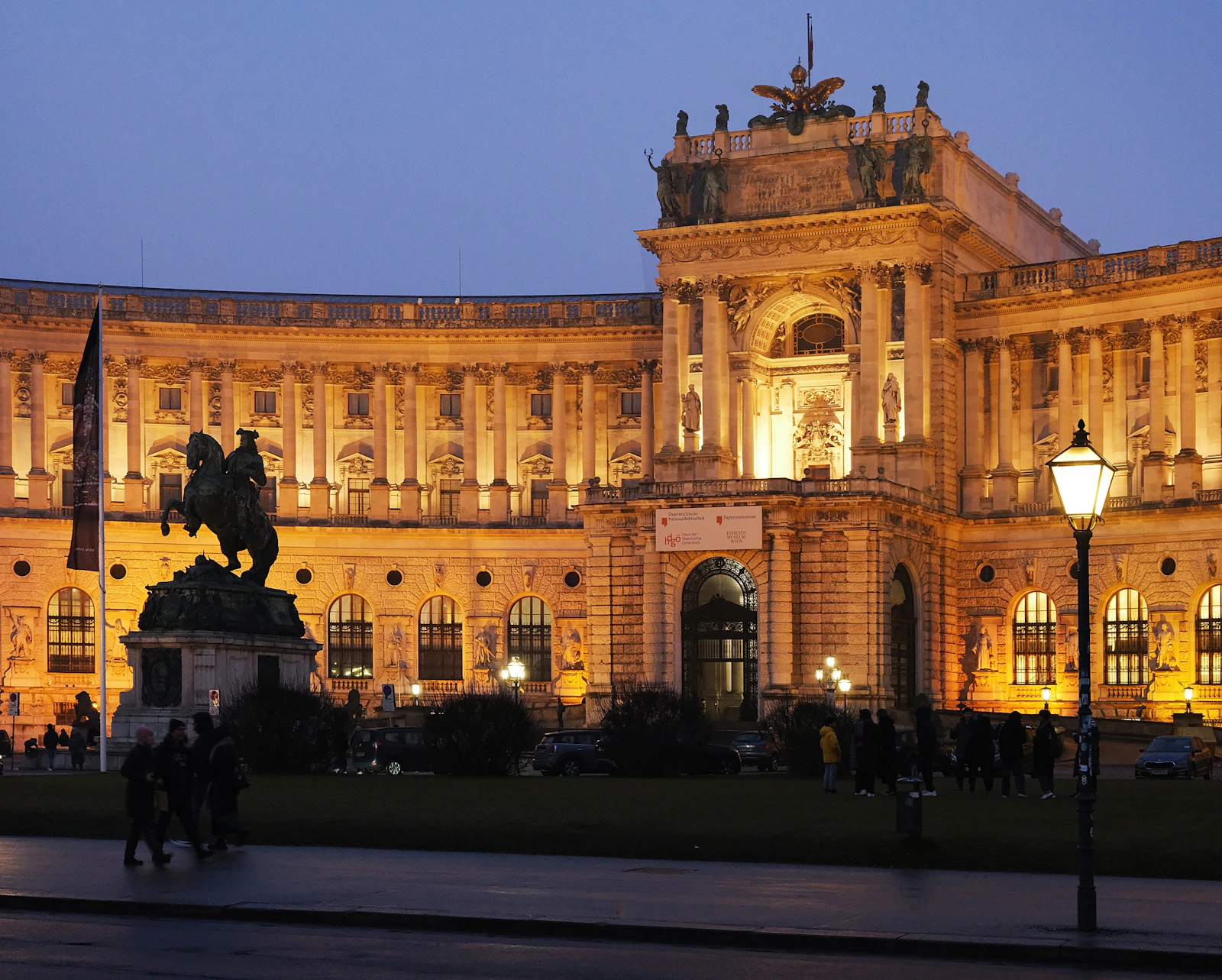 Vienna
Vienna 3-Day Museum + Imperial + Prater
Three days of Vienna is enough to understand the city's central intellectual proposition: that the collapse of the Habsburg Empire in 1918 produced a cultural flowering — Freud, Klimt, Schiele, Wittgenstein, Mahler, Schoenberg — precisely because the institution sustaining the city for six centuries was visibly ending. The MuseumsQuartier's Leopold Museum holds the world's largest Schiele collection in the former imperial stables; the Secession building a 10-minute walk south holds Klimt's Beethoven Frieze in the basement, painted in 1902 for an exhibition never meant to be permanent. The Naschmarkt's 120 stalls run along the covered-over River Wien, which was buried underground in 1900. The second day covers the Habsburg operational core: the Spanish Riding School's morning training in the 1735 Winter Riding Hall, the National Library's 200,000-volume Prunksaal, and the Staatsoper at night — where standing-room tickets are €15 and the view from the Stehplatz fourth row is better than most seated positions. The third day leaves the Ring for the Prater and the 3rd district: the 1897 Riesenrad still turning above the amusement park, Schweizerhaus's pork knuckle under the horse-chestnut trees, and Hundertwasser's undulating residential facade from 1985.
Acelogue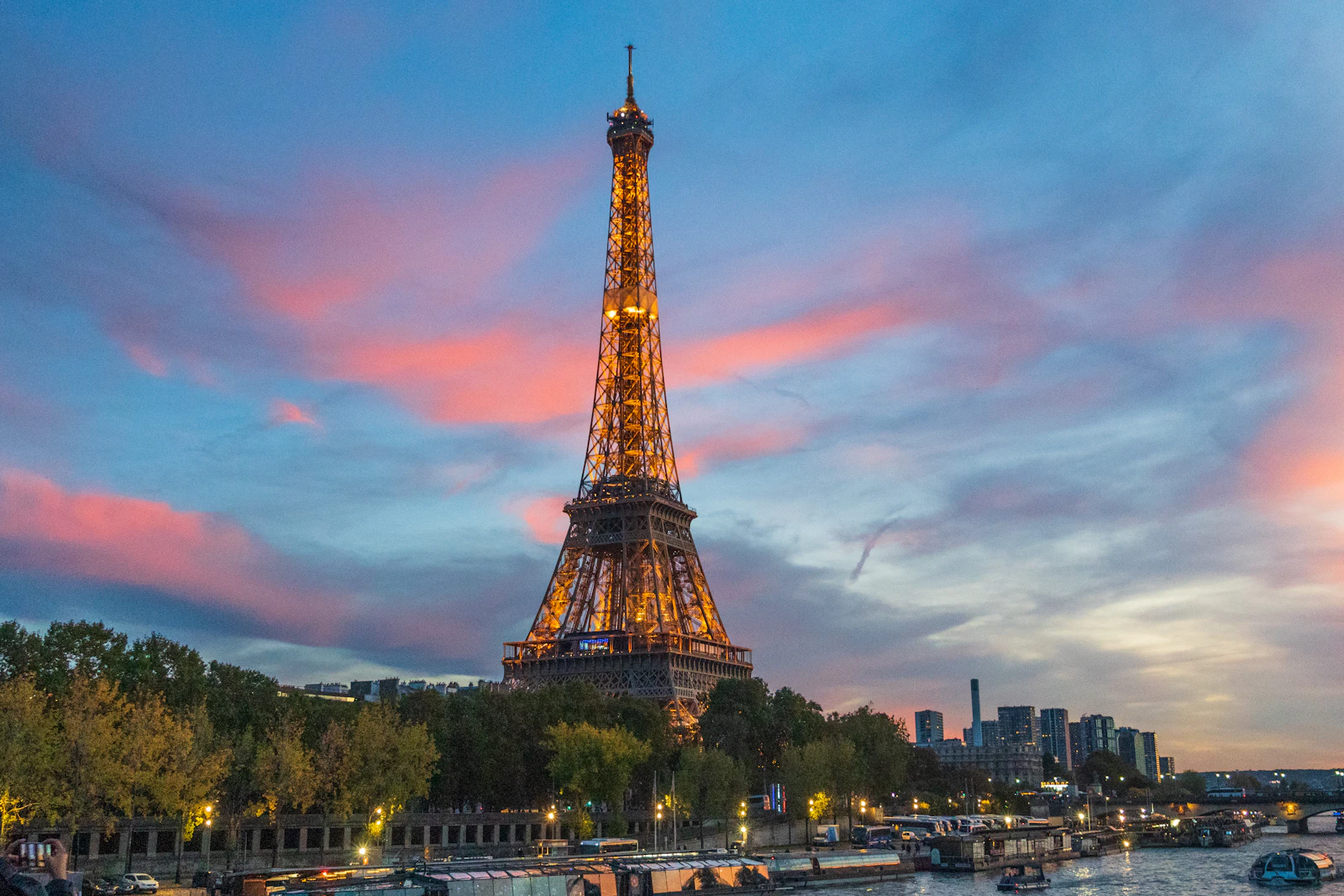 Paris
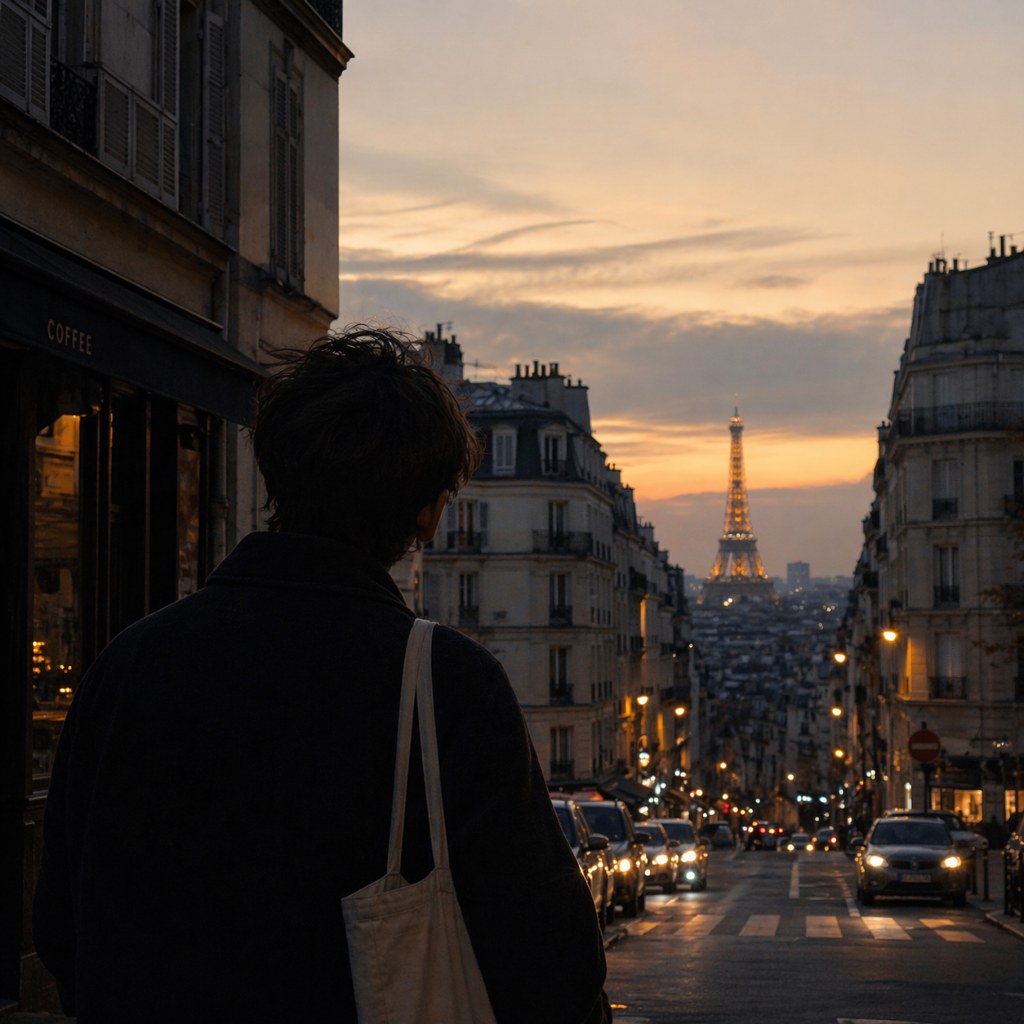
ParisParis 3-Day Classic Itinerary
Paris resists the itinerary. Distances look short on the map but every corner has a patisserie, every square a terrace, and you will sit down. Budget more time than you think for the museums — the Louvre is a building designed to slow you down. Don't skip lunch for sightseeing. Don't wear uncomfortable shoes. The city's etiquette isn't snobbism; it's the operating system. Learn it fast and the whole thing opens. Three days traces the city's most legible axis. The Left Bank opens with the tower itself and the 7th-arrondissement circuit: Trocadéro, Invalides, Rodin, the gilded bridge of Pont Alexandre III. The Right Bank center handles the great ceremonial corridor — Orangerie, Tuileries, Concorde, Champs-Élysées, Arc — with Ladurée as the mandatory afternoon interruption. The final day crosses to the islands: Sainte-Chapelle, Notre-Dame reopened, Shakespeare and Company, then the Marais and its Place des Vosges courtyard with L'Ambroisie for dinner — three stars, unchanged since 1981, and that's the point.
Acelogue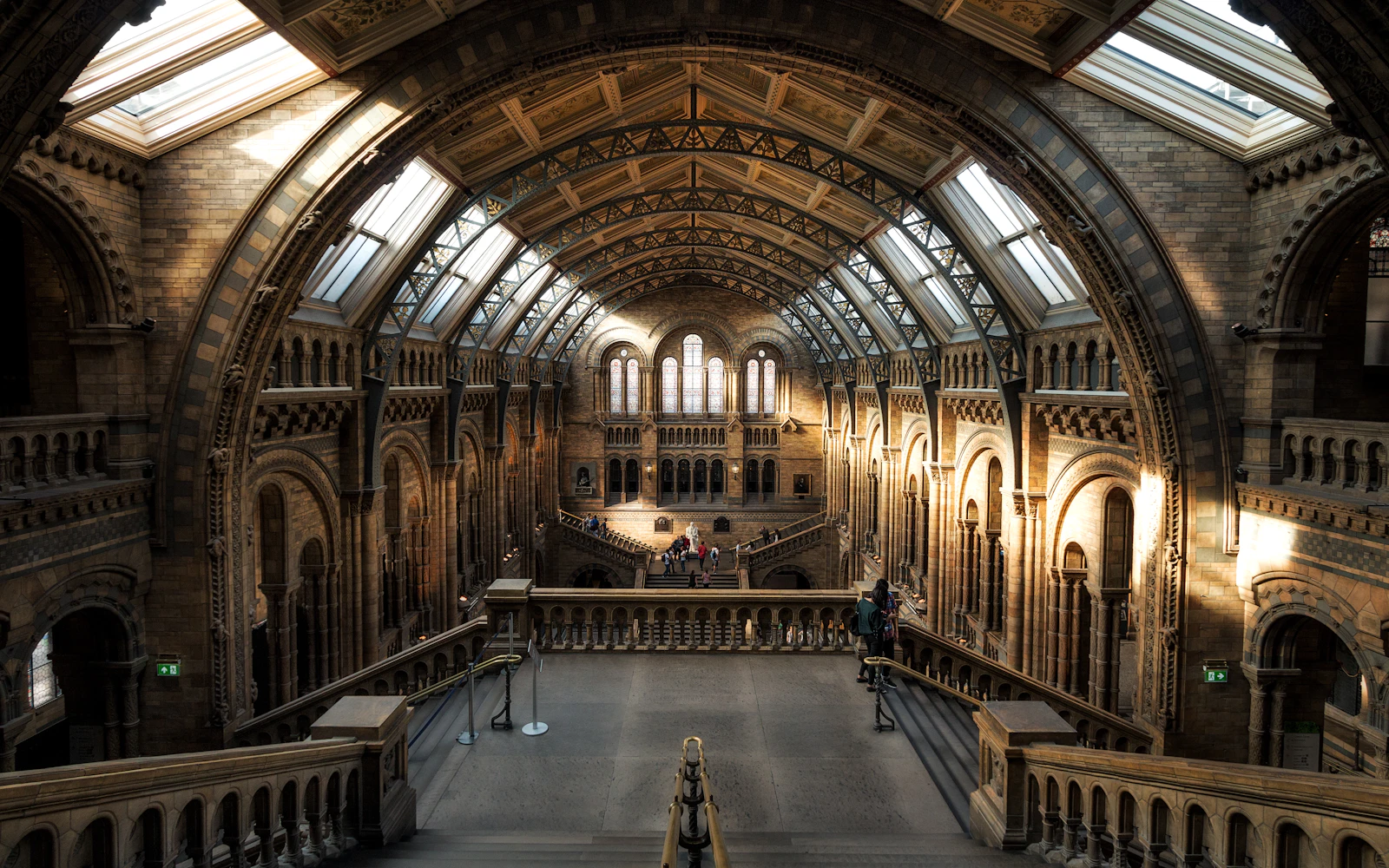 London
London 2-Day Kensington & Tower
London is larger than it looks on the tube map and slower than everyone claims. The museums are free and they know it — the British Museum alone will absorb a morning without apology. The Tube is fine once you stop fighting it. Don't bother with a red bus unless you actually want to sit in traffic on the way to somewhere walkable. The weather is managed with layers, not optimism. Two days splits cleanly between west and east. The first takes the Royal Borough circuit: Kensington Palace, the Natural History Museum's cathedral entrance hall, the V&A's permanent collection, Harrods' food hall, The Ritz for afternoon tea, and Buckingham Palace and Hyde Park before dark. The second crosses the river: Tate Modern on the South Bank in the morning, Borough Market for lunch, Shakespeare's Globe for the view, The Shard for altitude, and the Tower of London and Tower Bridge in the late afternoon — the oldest part of the city, still largely intact.
Acelogue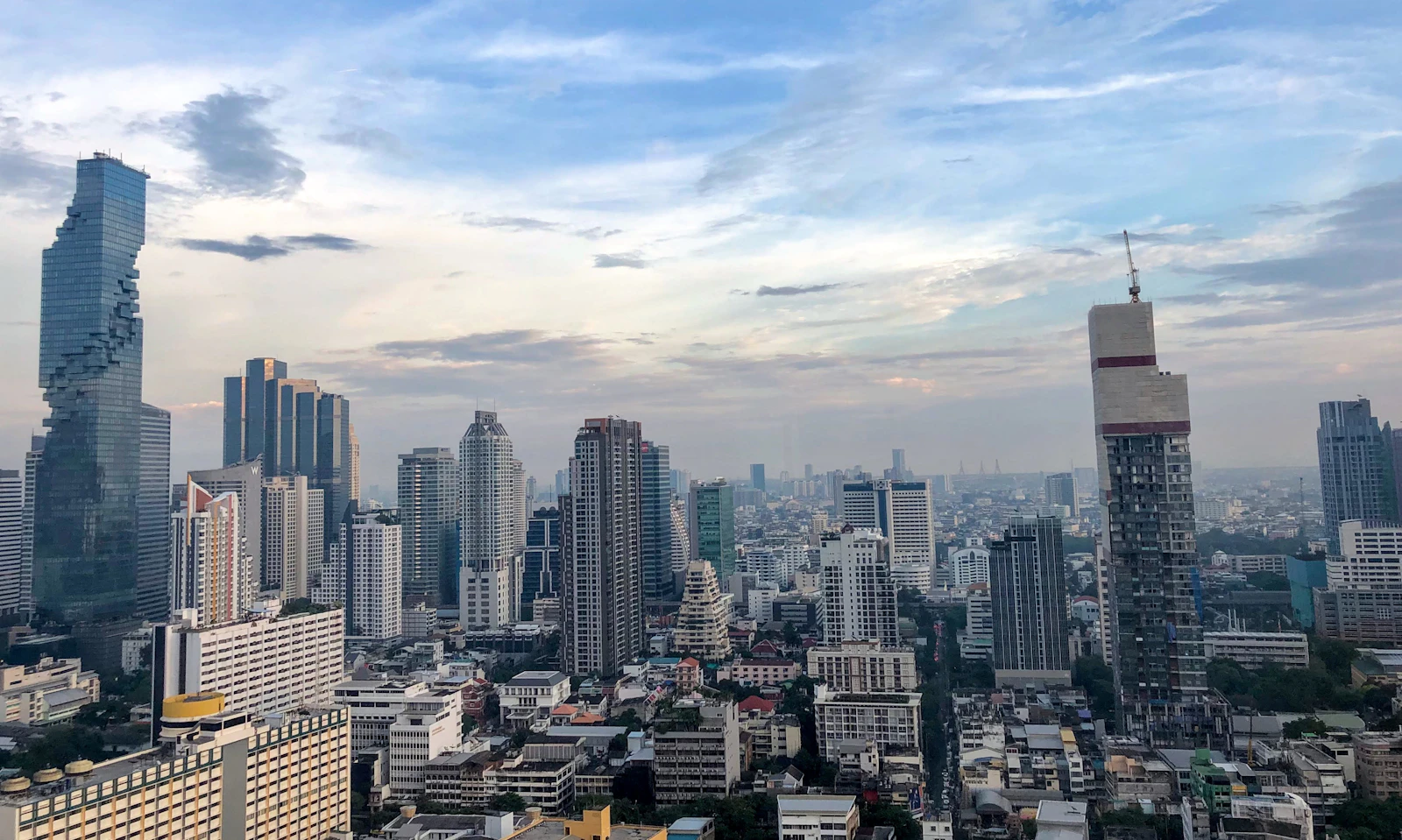 Bangkok
Bangkok 5-Day Deep Tour
Five days in Bangkok means the tourist layer peels back and the city's actual texture becomes navigable: the boat-noodle row around Victory Monument, the specialty-coffee shops that opened in Thong Lo's side sois, the canal-boat routes that predate the BTS by a century. The itinerary opens off-center deliberately — Chatuchak's 8,000-stall weekend market and Jodd Fairs' late-night volcano-rib stalls are arrival-day Bangkok, not the version you memorize before landing. Sukhumvit's Benjakitti boardwalk and Vertigo's 61st-floor rooftop come next, while the body still has the energy to appreciate an elevated-park walk at 08:00. The Old City temple circuit arrives mid-trip when the traffic pattern is already legible. Chinatown's gold Buddha and the riverside ICONSIAM circuit follow on Day 4, with Sirocco's gold dome above the Chao Phraya closing it properly. The final day drives south: Ancient City's Thailand-in-miniature, Erawan Museum's three-headed bronze elephant, then back north for the Skywalk sunset and Khao San's last evening of bucket cocktails. The river appears, in some form, on all five days.
Acelogue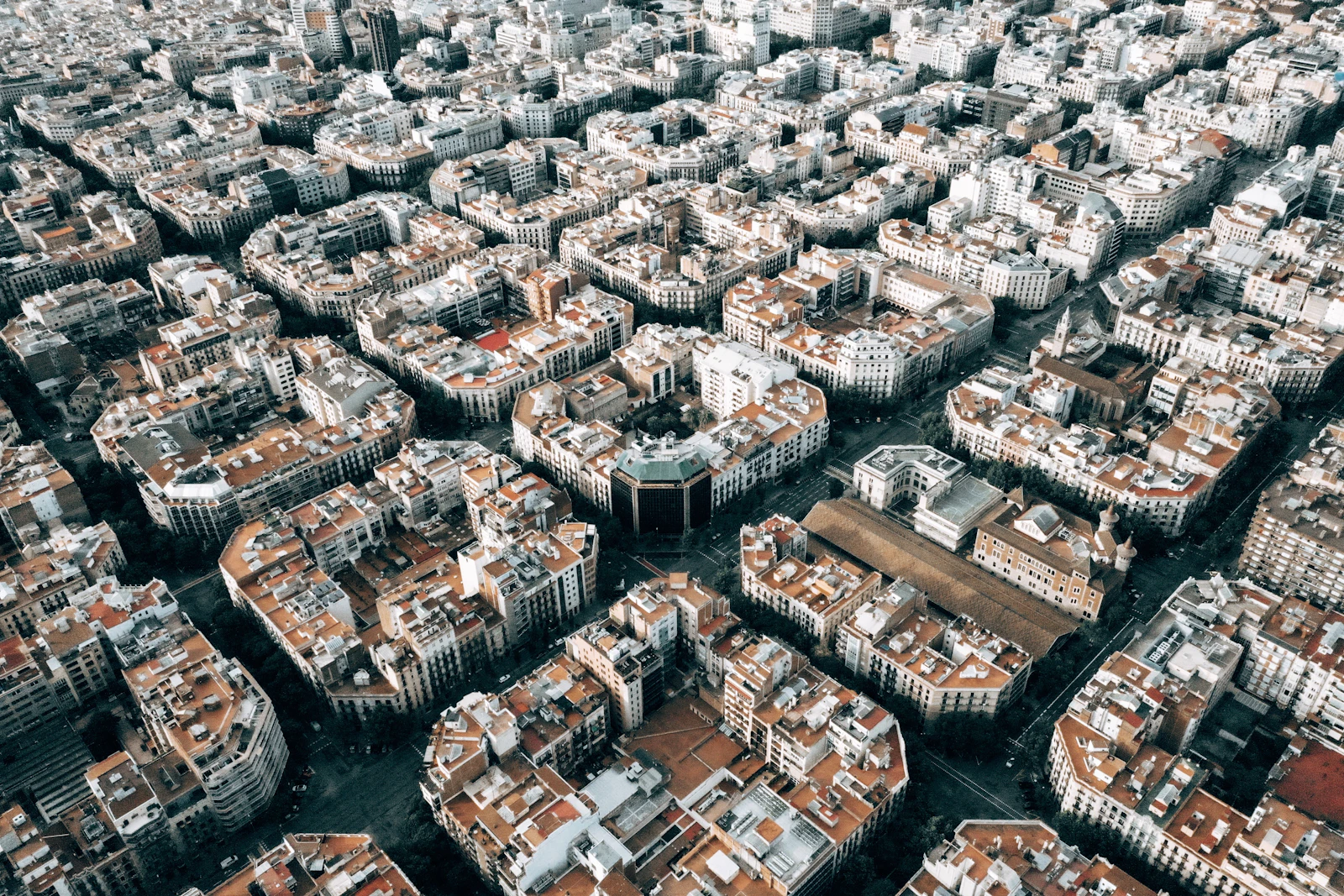 Barcelona
Barcelona 5-Day Deep Tour
Five days in Barcelona reveals the parts the two-day version misses. The Sagrada Família and the Eixample Modernista circuit are non-negotiable and they hold two days, but the northern hills above Gràcia — Park Güell's mosaics, Gaudí's actual first house in Casa Vicens, the abandoned anti-aircraft battery at Bunkers del Carmel with its free 360° city panorama — are the version most people staying in the Eixample never find. The coast below the Old City is its own register: Barceloneta's towel-theft economy and Frank Gehry fish sculpture, Bogatell's calmer locals-preferred sand, the 1888 Arc de Triomf palm avenue at the park's edge. The sequence runs north to south across the week. The hilltop day opens while the legs are still willing; the beach day follows as a deliberate slow-down. The Eixample, Old City, and Montjuïc arc runs through the final three days in order of density. Disfrutar closes the last night — the former elBulli kitchen's three-Michelin-star successor, 30 courses, five hours, and a room that takes dinner more seriously than the rest of Barcelona, which already treats dinner as the day's central commitment.
Acelogue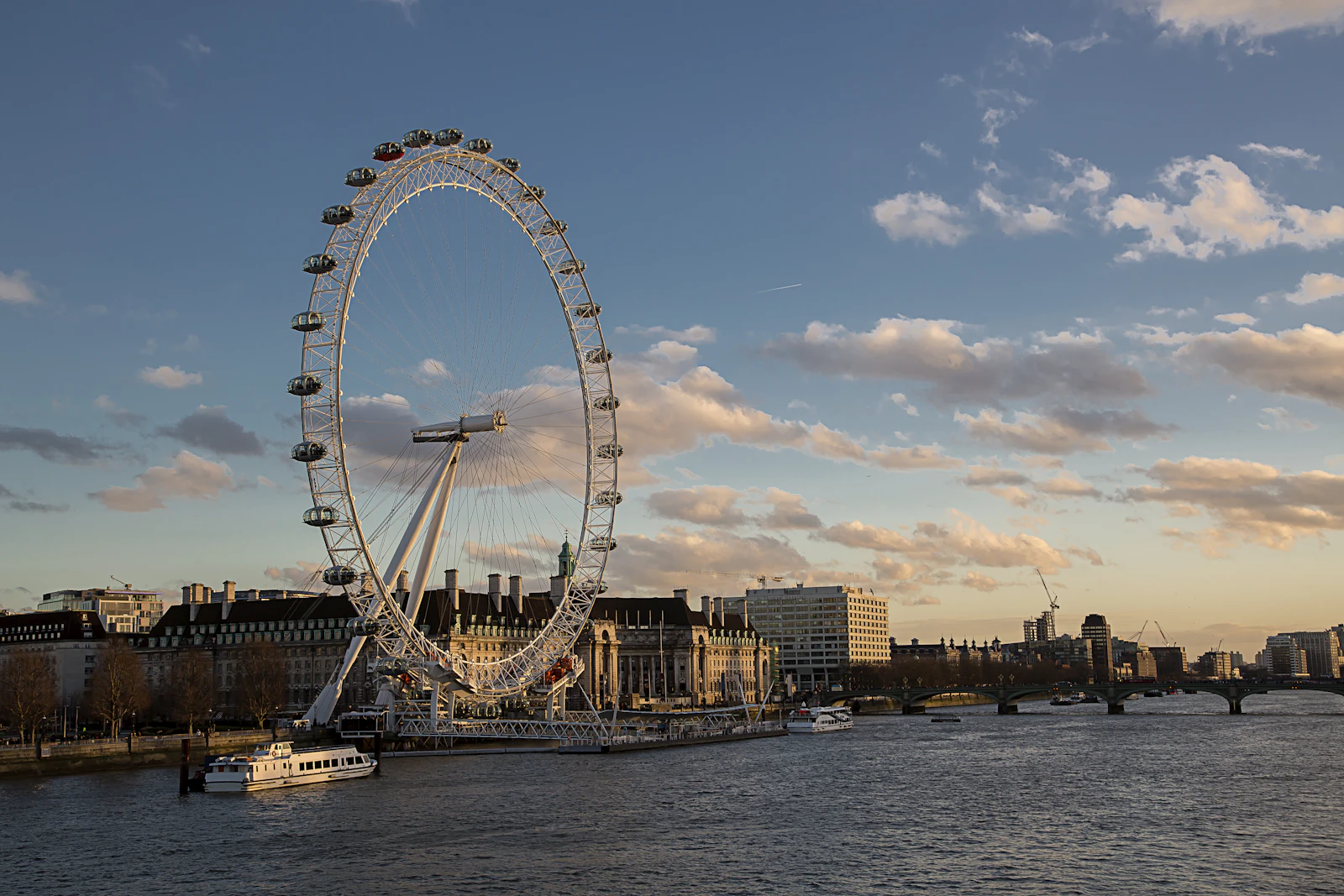 London
London 5-Day Deep Immersion
Five days is enough time to get a sense of how many Londons are operating simultaneously. The tourist one, yes. But also the one that shows up at Borough Market at 10am on a Saturday with a canvas bag, and the one that has been eating at St. John for twenty years and has opinions about the bone marrow, and the one that takes the DLR to Greenwich on a Tuesday and stands on the Prime Meridian for longer than strictly necessary. The city rewards the specific rather than the comprehensive. Five days spans the full geography. South Kensington's museum corridor runs west — the Natural History Museum's cathedral entrance, the V&A's permanent collection, the Tate Modern as an evening gallery. The central arc covers the West End and Covent Garden's institutional culture, then the ceremonial Westminster-to-Trafalgar sweep with Hawksmoor for dinner. The City handles the financial district in layers: St Paul's, the South Bank galleries, Leadenhall, the Sky Garden terrace, Duck & Waffle at altitude. Greenwich ends the five days on the hill where time is measured.
Acelogue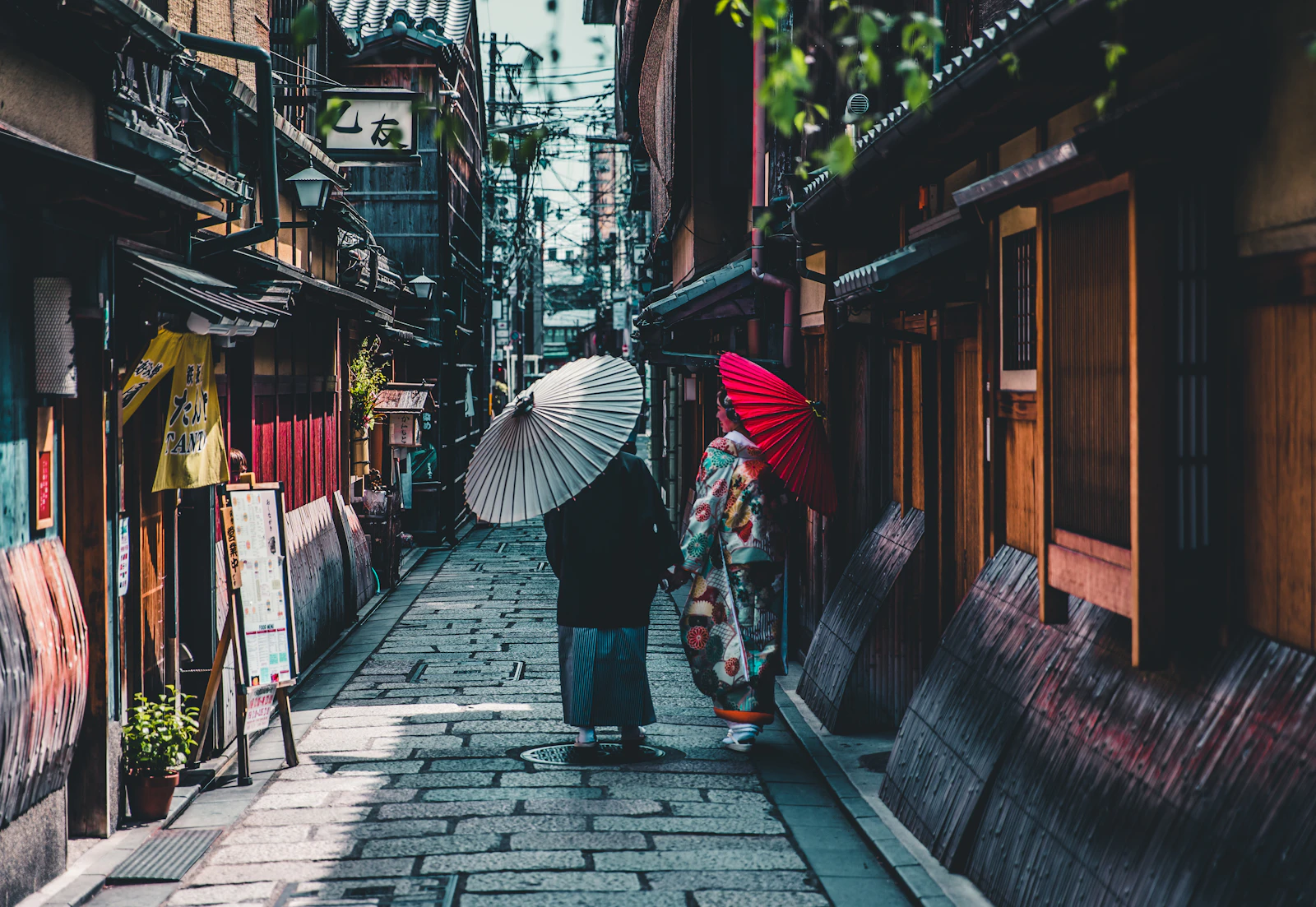 Kyoto
KyotoKyoto 3-Day Deep Dive
Kyoto's quietest quality is how little it announces. The city is organized around a principle it never states: that the quality of a place in a specific hour is itself a form of design. Tenryu-ji's Sogenchi garden was laid out to be viewed from a specific bench at a specific elevation; Ryoan-ji's fifteen stones work differently in early morning than at noon. The craft of visiting Kyoto is learning to show up when the design becomes visible. Three days gives each of the city's three geographic registers its own time. The western valley — Arashiyama's bamboo corridor, the Okochi Sanso villa above the bamboo line, the Togetsukyo bridge where the city releases its hold on the mountain — is a world self-contained. The northwest holds the most concentrated Zen compositions: Ryoan-ji's fifteen stones, Kinkaku-ji's gold pavilion, a soba lunch at Honke Owariya which has been at the same address since 1465. The eastern arc closes from Yasaka through Kiyomizu-dera and Sannenzaka down to Fushimi Inari, where the evening light on the gates carries a different quality from the afternoon.
Acelogue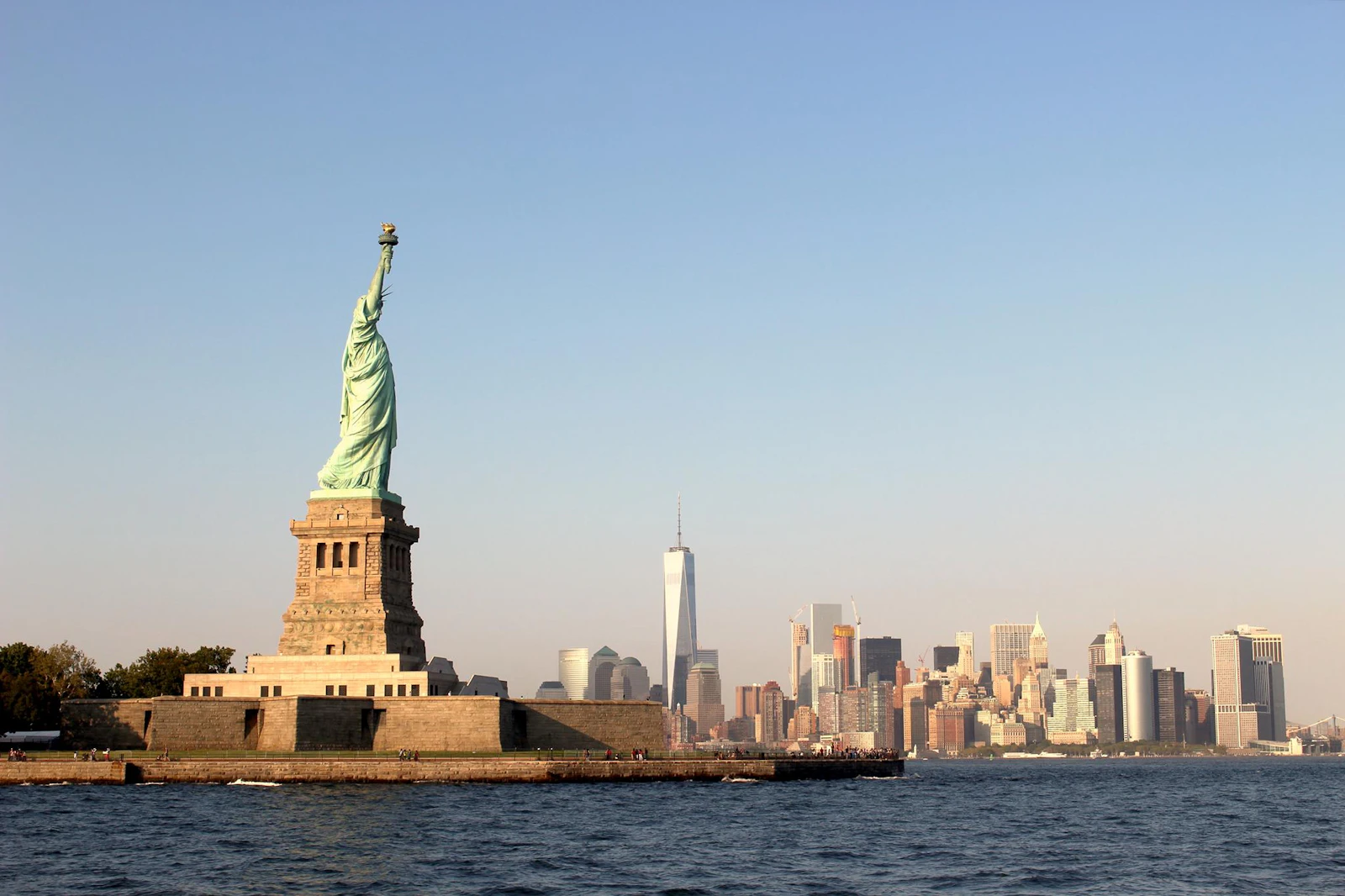 New York City
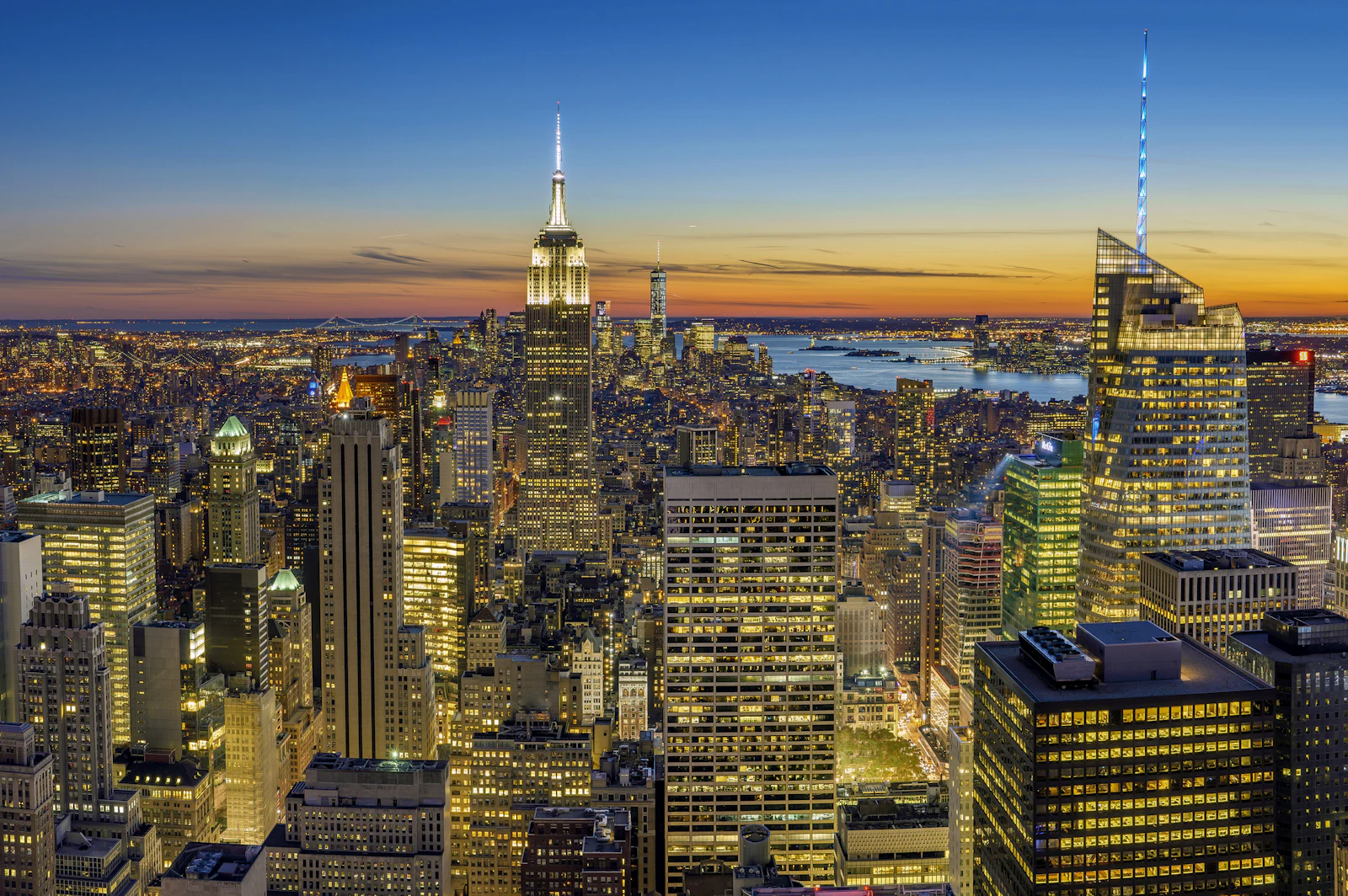
New York City 2-Day Midtown + Downtown
Forty-eight hours in New York is not enough. This isn't false modesty — the Met alone has 2 million objects and the correct visit takes three hours minimum, which means you're spending 12% of your entire trip in one building. The edit is to accept the compression and move deliberately from the southern tip north. Lower Manhattan runs the first morning — the memorial pools, the 104-floor observatory, the walk across the bridge into Brooklyn's cobblestones. A bar on Fulton Street closes the day: The Dead Rabbit won World's Best three years running. Midtown takes the second: the Rock, MoMA's Starry Night and the atrium, two hours in the Met's Egyptian Temple and Dutch wing, Central Park in the late afternoon, and Le Bernardin on West 51st — Thomas Keller's most quietly correct room in the city.
Acelogue