Travel Guides
Expert guides to help you plan your perfect trip, from must-see attractions to local insider tips
Showing 12 guides
Tokyo Travel Guide
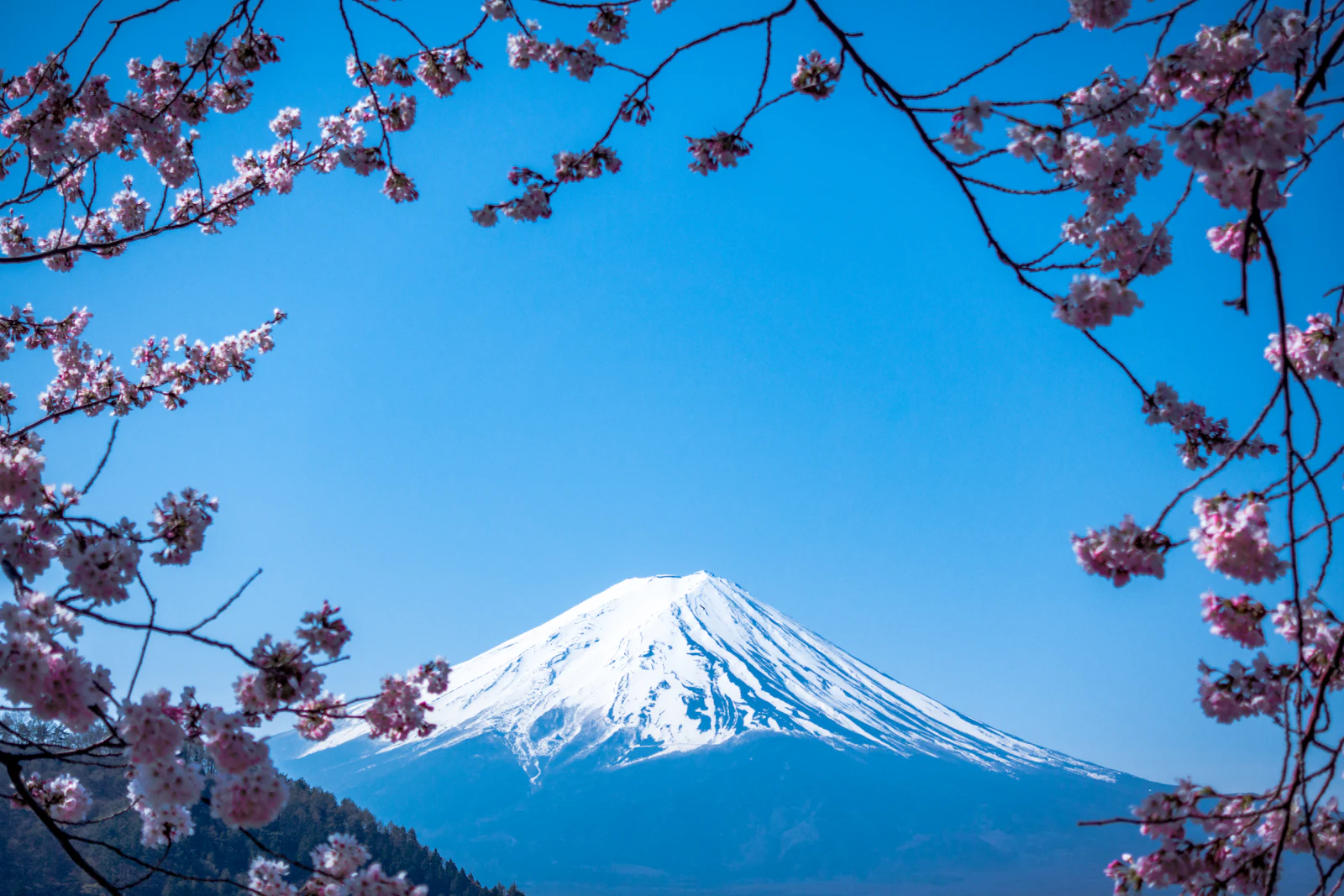
Tokyo is about thirty cities welded to a single loop train. The Yamanote covers what most people came to see. What you'll actually remember is usually a stop or two off it — Yanaka's narrow lanes, Shimokitazawa's vintage racks, the river path from Asakusa to Skytree at dusk, the Daikanyama bookshop on a wet Sunday. Big sights only work early. Senso-ji at 06:00 is empty. Meiji Shrine before 07:30 is grounds-staff and joggers. By 10:00 the tour buses land and the city flips. The back of this guide handles the friction first-timers always hit: IC card pickup, the right Shinjuku exit, when the JR Pass actually pays off, and the train-and-shoe etiquette locals notice.
 Acelogue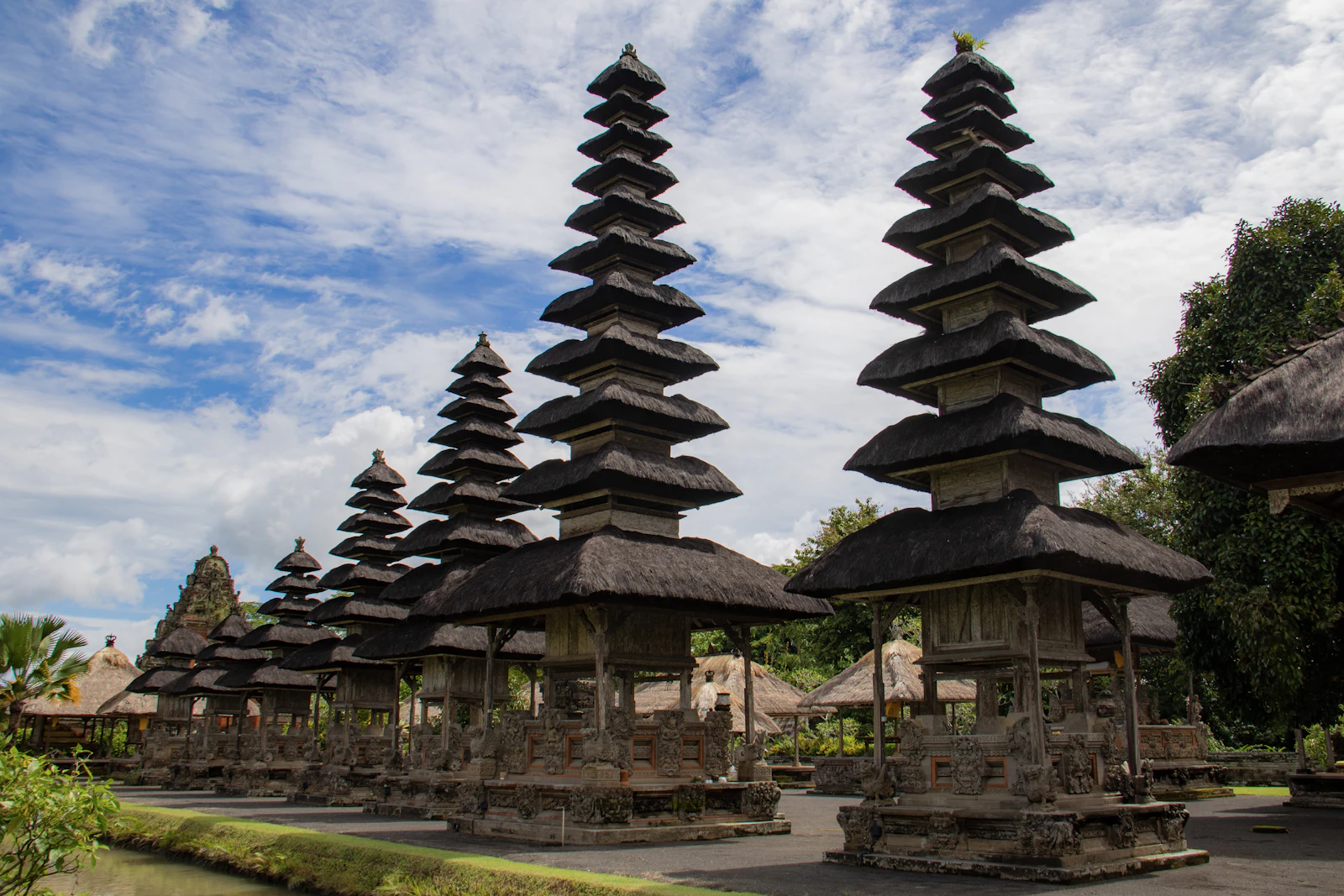
Bali Travel Guide
The first thing to understand about Bali is that it isn't one place. Ubud's spiritual-and-rice-terrace north, where the morning starts with incense and a gamelan playing somewhere a few hundred meters away, is a different planet from the Bukit's surf-and-cliff south, where the days are organized around the swell forecast and the wind that picks up by four in the afternoon. Canggu's expat-cafe scene answers different questions than Sanur's quieter family beach strip; the Munduk highlands feel like a fifth country. A guide that pretends otherwise turns into a list of unrelated half-days that never add up to a week. What actually stitches the island into a trip is a driver — somebody who knows the back roads between Ubud and the south, the long Nusa Dua loop, the Sidemen route climbing toward Mount Agung. Mine, over years of repeat trips, turned a list of "things to see" into a sequence of small moments: the Mount Batur ridge at 04:30 when the wind is still cold, Jimbaran fish on the sand the night the sunset stretched orange-pink-violet, Tirta Empul at 11:00 once the morning ceremonies are over and the bathing pools belong to the village kids again. The places that follow are the ones that survived multiple revisits. The logistics layer at the back is the part that quietly makes or breaks a Bali week — the sarong rule, what a driver actually costs, when to trust the rainy-season forecast and when to ignore it, and the one date that closes the island.
Acelogue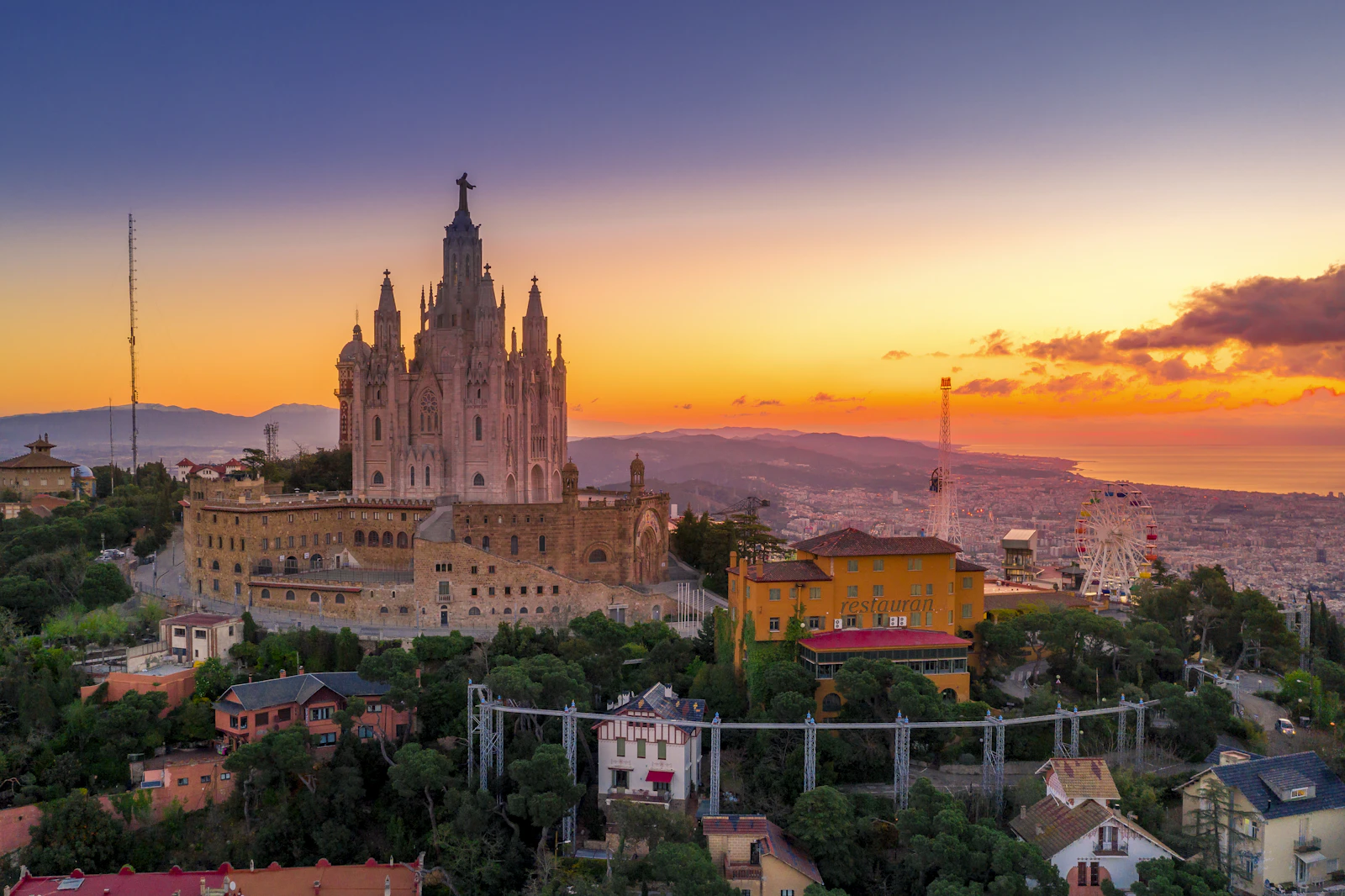
Barcelona Travel Guide
Barcelona has a split personality. The medieval Gothic Quarter is one city, drawn before any of the great cathedrals were finished and still organized around lanes that cars can't fit down. The Modernista Eixample is another — Cerdà's 1859 grid laid over what used to be agricultural land, then built up by Gaudí and his contemporaries from 1880 onward as a deliberate architectural manifesto. The 19th-century Eixample blocks meet the medieval Gothic at Plaça de Catalunya, and the city you visit is whichever side of that line you happen to be on at the moment. It is also a city that runs on a clock you have to learn. Lunch at 14:00. Dinner at 21:30. The Sagrada Família is most beautifully lit at 08:00 and 19:30; the tapas bars don't form their queues before 13:00 or 20:00; the city's soundtrack between those hours is the metro, not the streets. The shortlist below is what survived repeat long weekends. The logistics layer at the end covers the reservations that actually matter, the pickpocket geography (Barcelona has Europe's highest per-capita rate, by a margin), the late-dinner timing, and a small note on Catalan that meaningfully changes how you're treated.
Acelogue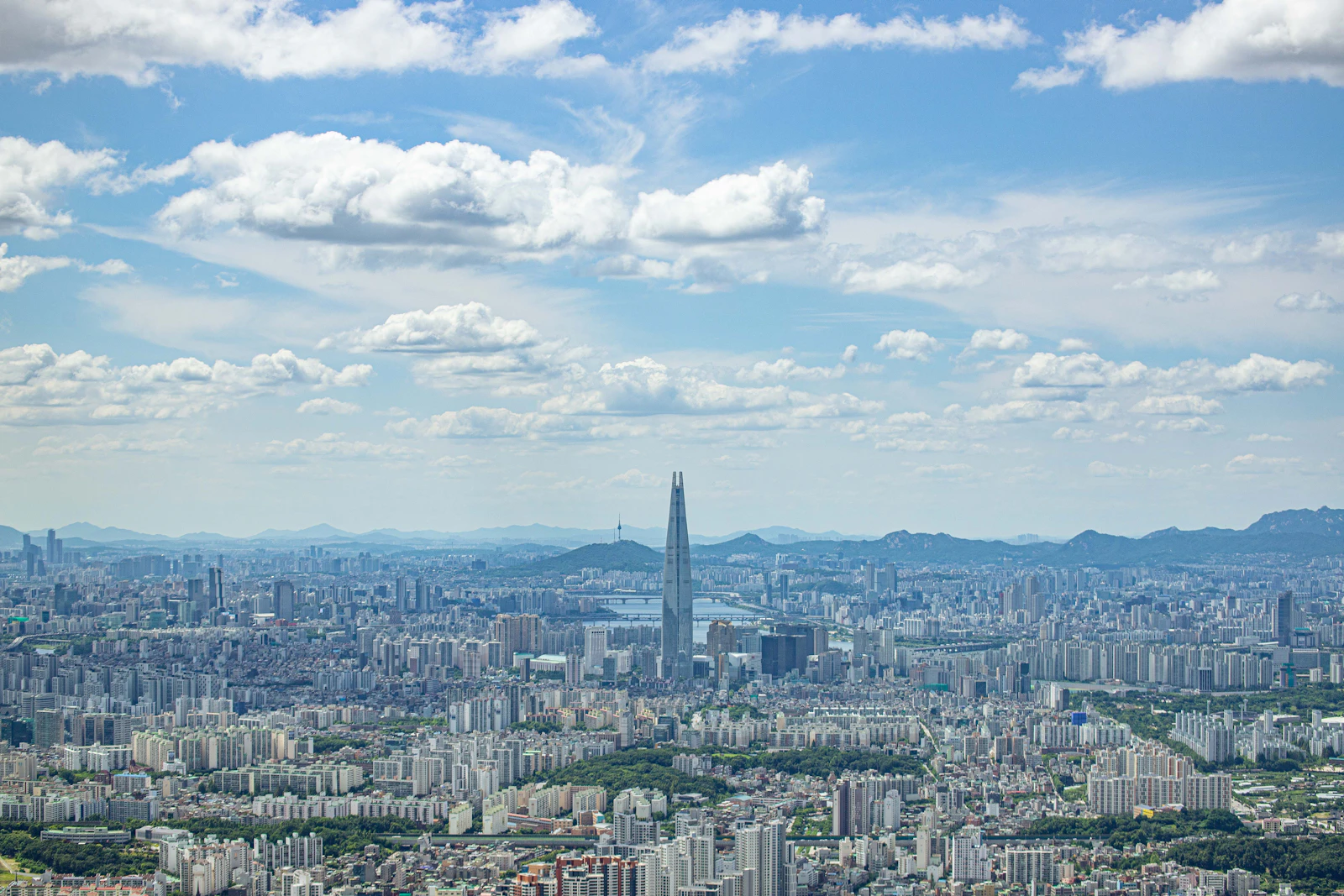
Seoul Travel Guide
Seoul rewards travelers who plan with apps, not maps. Google Maps does not give walking or driving directions in Korea (a national-security restriction on map exports), so Naver Map and KakaoMap are not optional — they are the city's actual operating system. Papago, the Naver translator, handles Korean grammar far better than Google Translate. Kakao T is the local rideshare. The T-money card is the transit card. Sort that kit out before you land and the city opens up at the speed it actually moves at. What makes Seoul different from Tokyo or Kyoto is that the historical layer is the <strong>five royal palaces</strong>, not temples — the Joseon dynasty's architectural footprint is right in the center of the city. The other layer is contemporary: Gangnam's fine-dining scene has redefined what Korean cooking can be in the past decade. This is the shortlist of places I return to, paired with the small etiquette and logistics notes that catch first-timers — the no-tipping rule, the maps-app substitution, the heated-floor shoe rules at hanok cafés, the cherry-blossom and fall-foliage windows.
Acelogue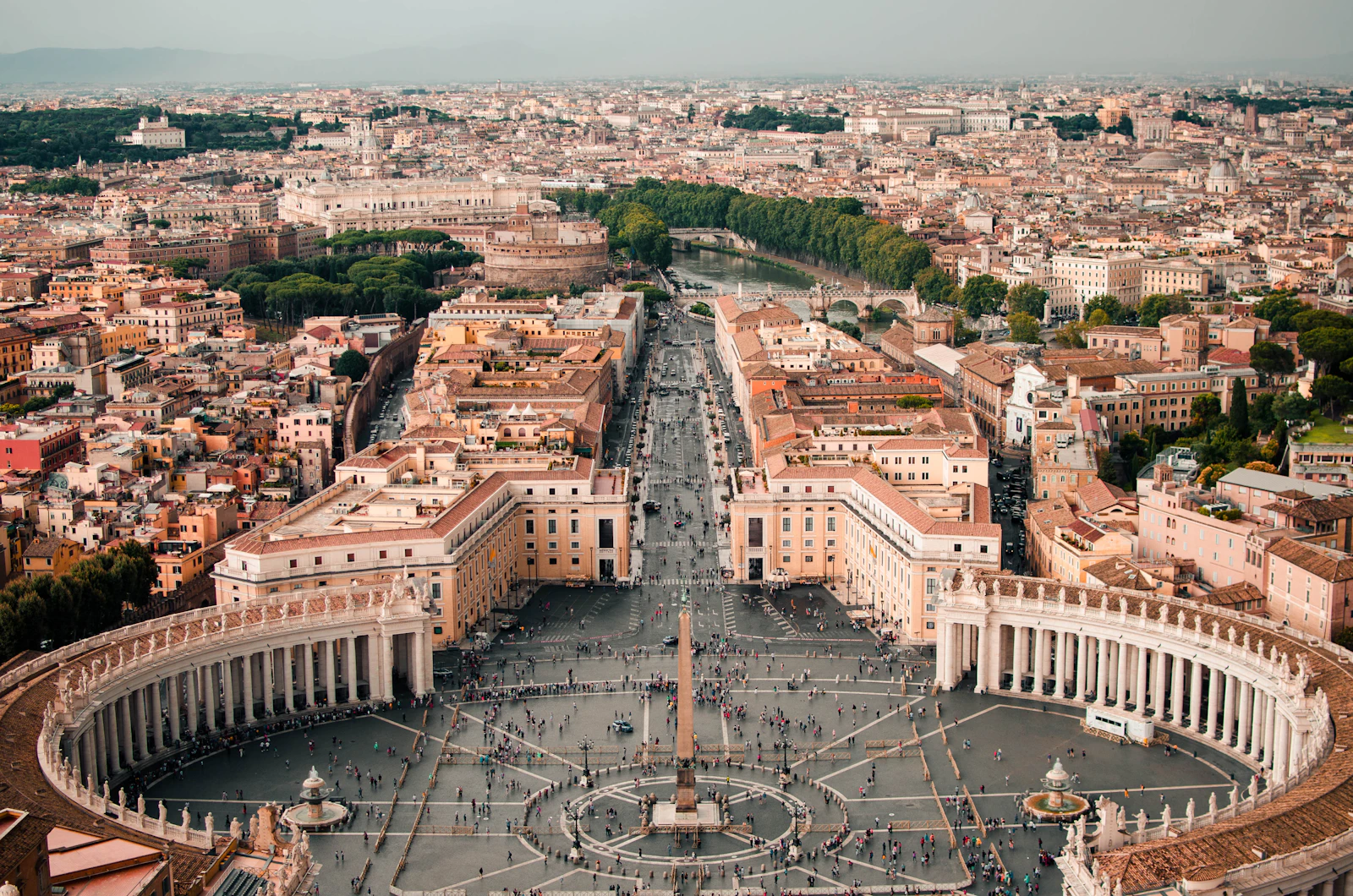
Rome Travel Guide
Rome is the only city on this list where half the major sights have been in the same place for 2,000 years, which changes how you plan around them. The Forum is on the same stones a Roman senator walked. The Pantheon's dome is the one Hadrian commissioned in 126 AD. The cacio e pepe at the Trastevere trattoria isn't a recipe so much as the dish that's been served at the same address since 1930. You don't visit Rome the way you visit a city — you walk through the layers and pay attention to what's underneath. The shortlist below is what survived repeat long weekends. The logistics layer at the back is the part Rome doesn't make easy: which Colosseum tickets to actually buy, the Borghese Gallery's strictly-enforced 2-hour windows, why dinner doesn't start before 20:00, and the cold-truth geography of pickpockets on the 64 bus.
Acelogue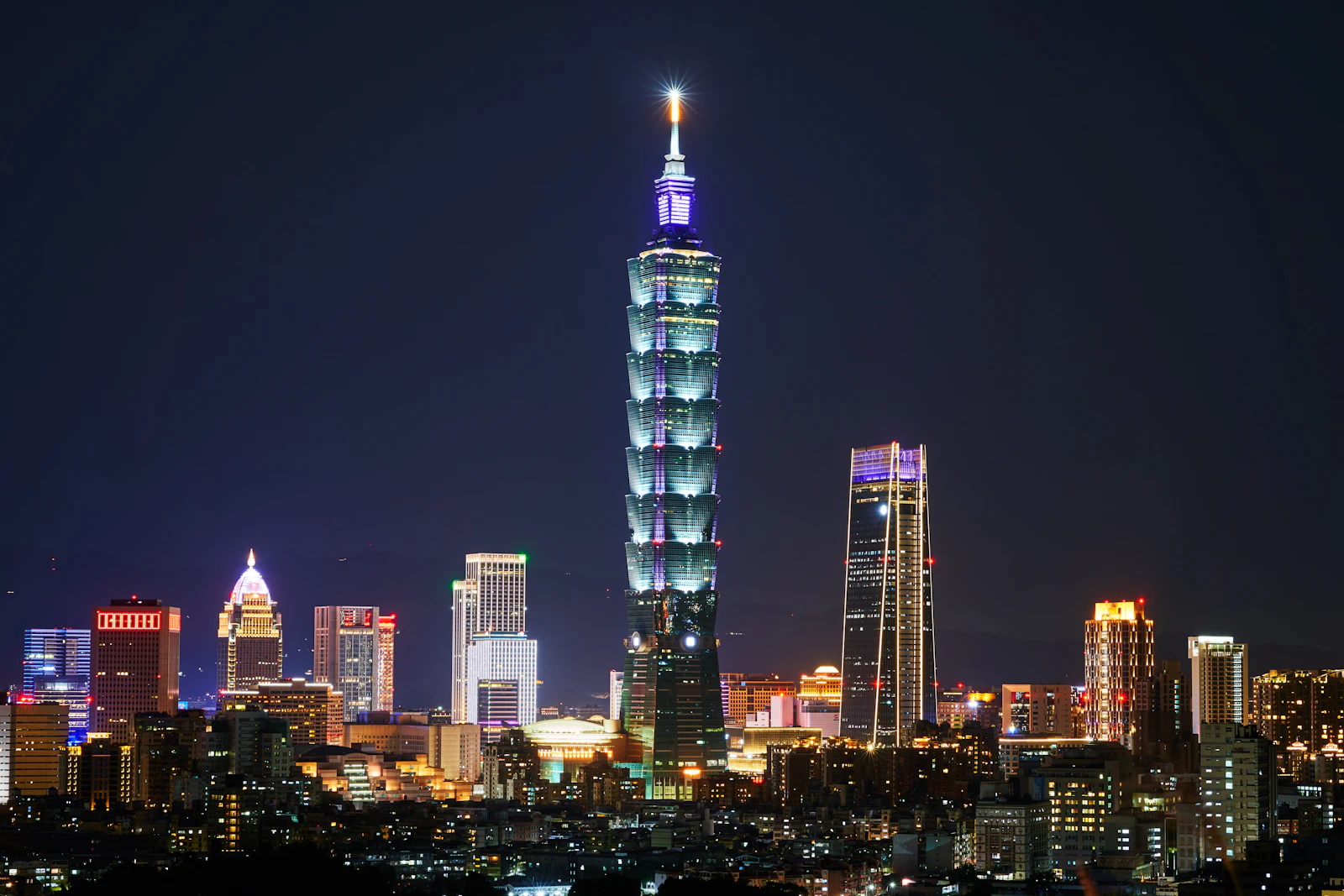
Taipei Travel Guide
Taipei is the rare East Asian capital that stayed messy in the good way. A Japanese-colonial post office next to a temple still burning incense. A 1913 Beitou bath-house up the line from Taipei 101. An oyster-omelette stall two MRT stops from a Michelin-starred dim sum room. The city never bulldozed its old layers to make room for the new ones — they all coexist on the same block. Mornings here are different from anywhere else. <strong>Taiwanese breakfast culture</strong> is a real thing: 05:30 to 11:00, hot soy milk, youtiao, fan tuan, served at counters that have been running for thirty years. By noon the breakfast spots are closing and the city pivots into lunch. By 17:00 it pivots again into the night markets — Shilin, Raohe, Ningxia — each with its own size and rhythm. By 22:00 the pepper-bun vendor at Raohe has just pulled the last batch of the night. This is the shortlist of places that survived a dozen repeat trips. The logistics layer covers what makes Taipei easy: the EasyCard, the three night-market rankings, the one day-trip train ticket that saves 45 minutes at Ruifang, and the breakfast hours you do not want to miss.
Acelogue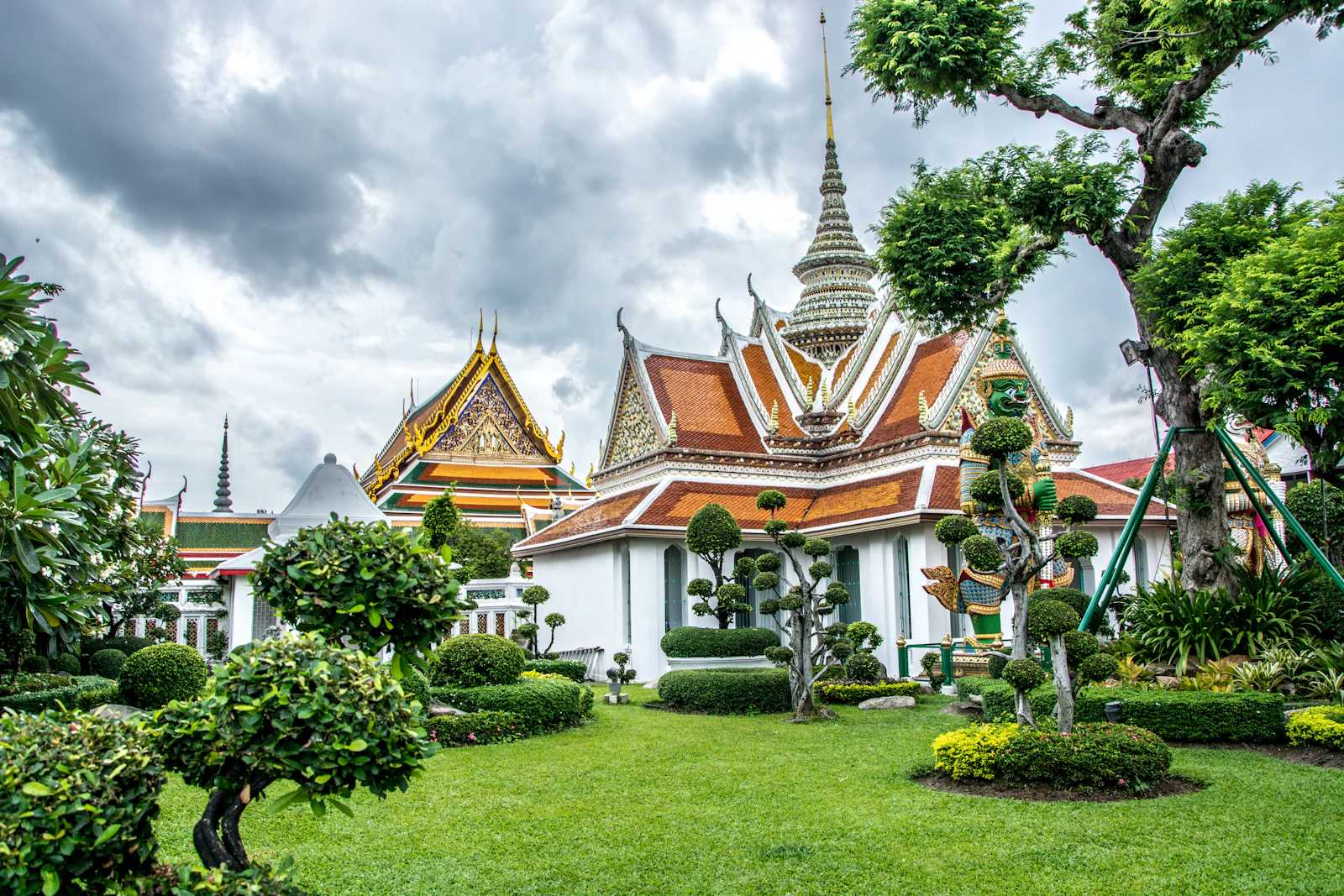
Bangkok Travel Guide
Bangkok will measure you in degrees Celsius and humidity points before it shows you anything else. Step out of the Suvarnabhumi arrival hall in April and the air hits you like a warm wet towel; the Grand Palace at 11:00 is a furnace of stone and sun and tour buses; a Chinatown tom yum counter at 02:00 is somehow still 32°C with the wok throwing heat at your face. The city does not negotiate with the heat — it works around it. You'll plan your day around shade, river breeze, and the BTS air-conditioning the same way locals do. Geographically, Bangkok organizes itself by transit line rather than neighborhood. The BTS and MRT are the fast spine, and the Chao Phraya river is the slow alternative — the boats are how you actually get to the Grand Palace, Wat Pho, and Wat Arun without sitting in traffic. This shortlist is the places that survive the heat. The logistics layer at the back covers the parts that catch first-timers: which transit pass for which day, the temple dress code, the tuk-tuk scams, and the street-food rule that determines whether a stall is safe.
Acelogue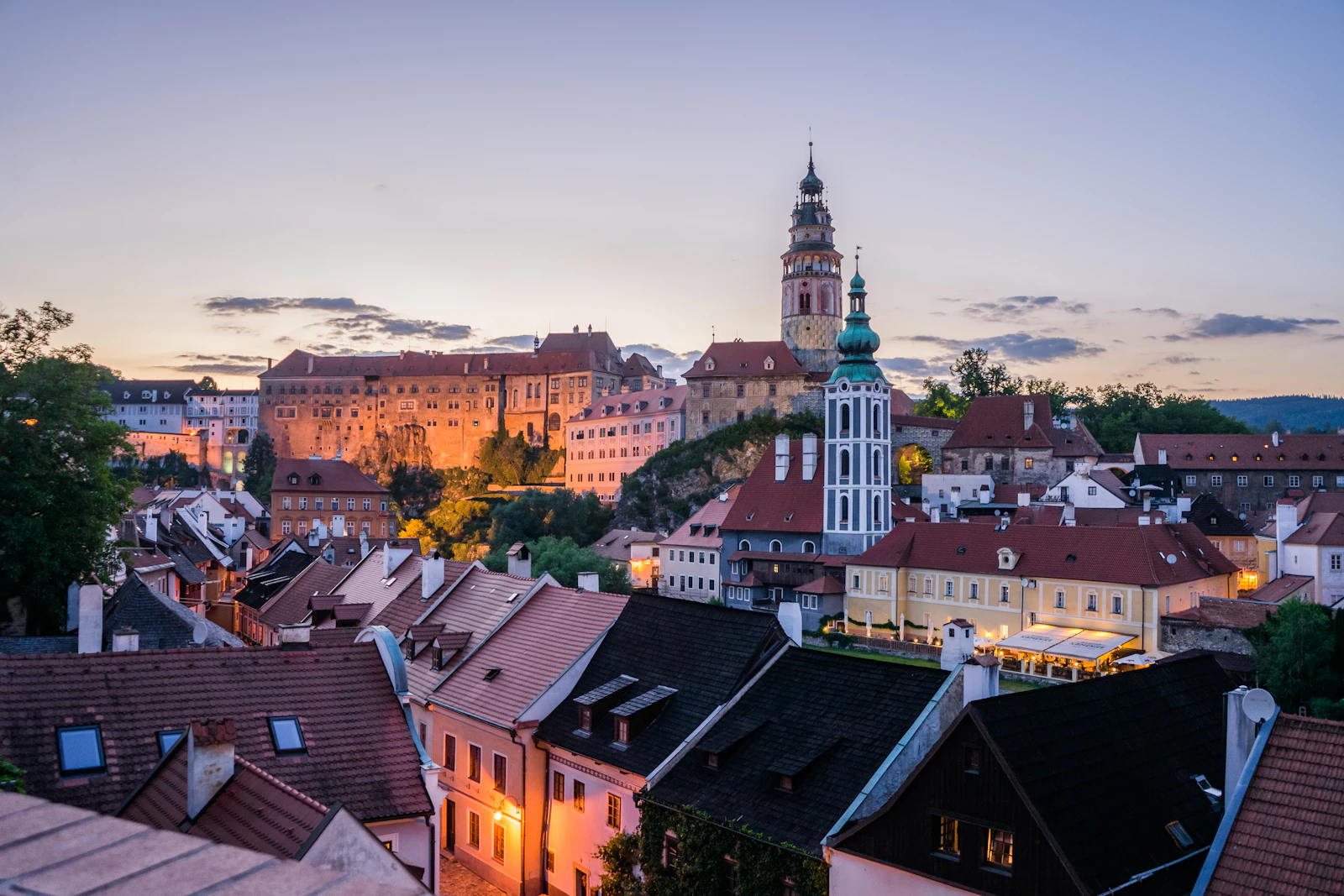
Vienna Travel Guide
Vienna is, geometrically, three concentric cities. The medieval Innere Stadt sits inside the Ringstrasse — Franz Joseph's single great act of urban planning, completed in the 1860s on the line of the demolished city walls. Outside the Ring are the bürgerlich neighborhoods of the 19th century. Outside those, the two Habsburg summer palaces, Schönbrunn and Belvedere, sitting in their gardens. The payoff is a city where you can stand in a Baroque coffee-house at 10:00 reading a newspaper from a wooden rod, walk across the Innere Stadt to Klimt's <em>Kiss</em> at the Belvedere by 11:30, and be in the standing-room of the Staatsoper at 19:30 for 15€. This list is the places I return to. The practical layer at the back covers which palace tickets need advance booking (most), the Kaffeehaus rules (a UNESCO-listed cultural practice with actual etiquette), why dinner is still 19:00–21:00 here (unlike Spain or Italy), and the Christmas-market and ball-season windows that turn winter into the city's actual peak.
Acelogue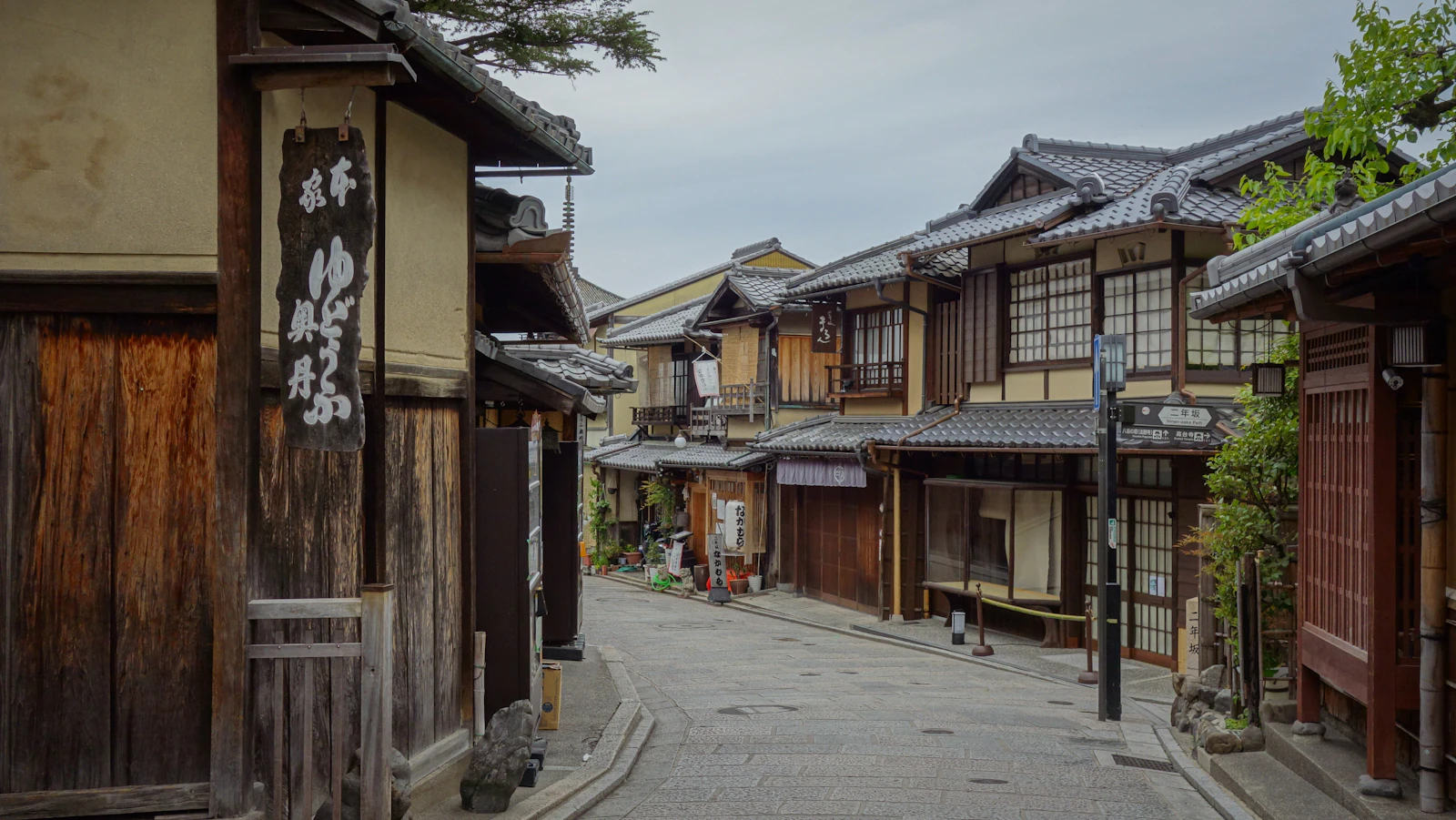
Kyoto Travel Guide
The first lesson Kyoto teaches is hours, not days. Kiyomizu-dera at 06:30, just opened, the morning sun on the wooden stage from the east, almost empty. The same temple at 11:00 in early April: shoulder-to-shoulder. Five hours, one place, two cities. There are a thousand temples here and you will see five or six. The question isn't which to visit — almost all of them reward it — but which ones reward the detour off the bus route. Higashiyama's slope from Kiyomizu south through Kodai-ji and into Gion is the famous walk, and it earns the reputation. The deeper finds are sub-temple gardens: Honen-in behind its moss-covered gate, Daitoku-ji's Daisen-in, Kennin-ji's hidden moss courtyard, Ryoan-ji's dry-stone garden at 08:30 before the buses arrive. A short logistics layer at the back covers the small things that tilt a Kyoto trip: which bus pass actually pays off, the Gion photo rules and why they exist, the half-day train south to Uji, and the small ways Kyoto runs differently from Tokyo.
Acelogue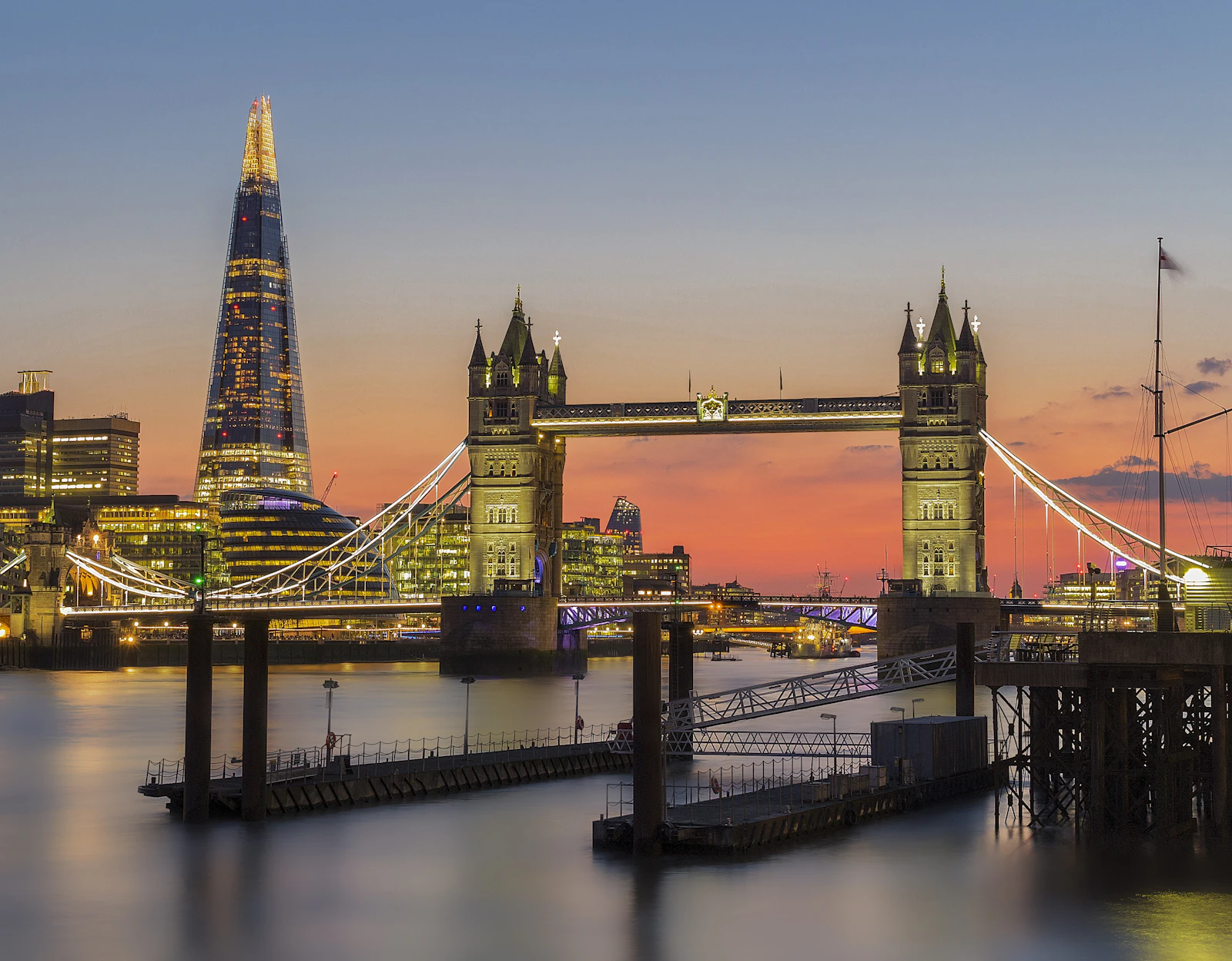
London Travel Guide
London expects you to have read the rules already. Stand on the right of the escalator. Order at the bar. Pack a waterproof. Mind the gap. Say thank you to the bus driver. None of these are politeness suggestions — they're the operating system, and locals will be quietly irritated if you don't have it installed. This is the shortlist across the city. The practical layer at the end is the part that catches first-timers: contactless tap-and-go, the pub-ordering protocol, the Tube etiquette, and the always-pack-a-jacket reality of English weather. Most of London is walkable, most of the rain is light, and most of the people are kinder than the reputation suggests — provided you've remembered the rules.
Acelogue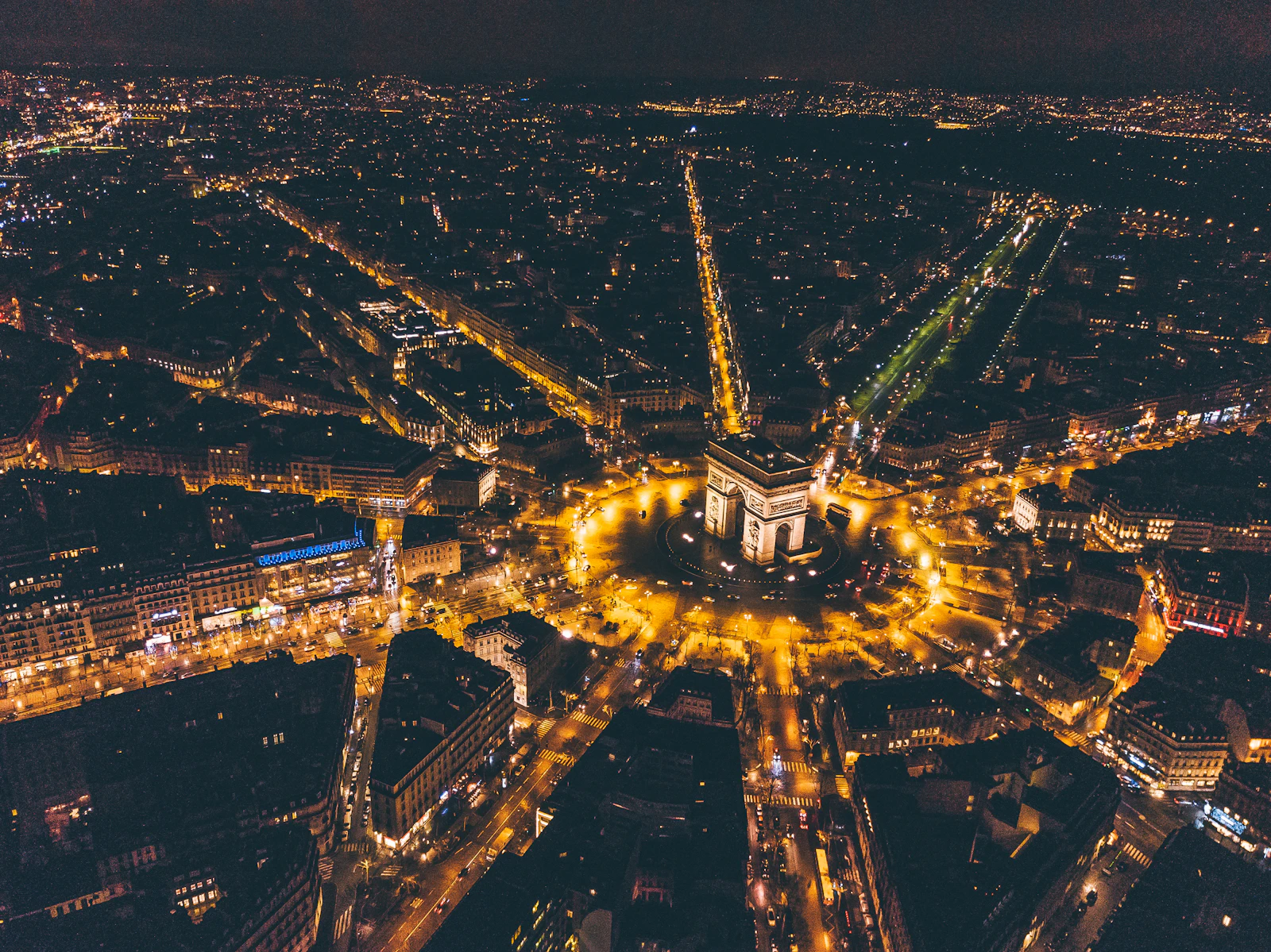
Paris Travel Guide
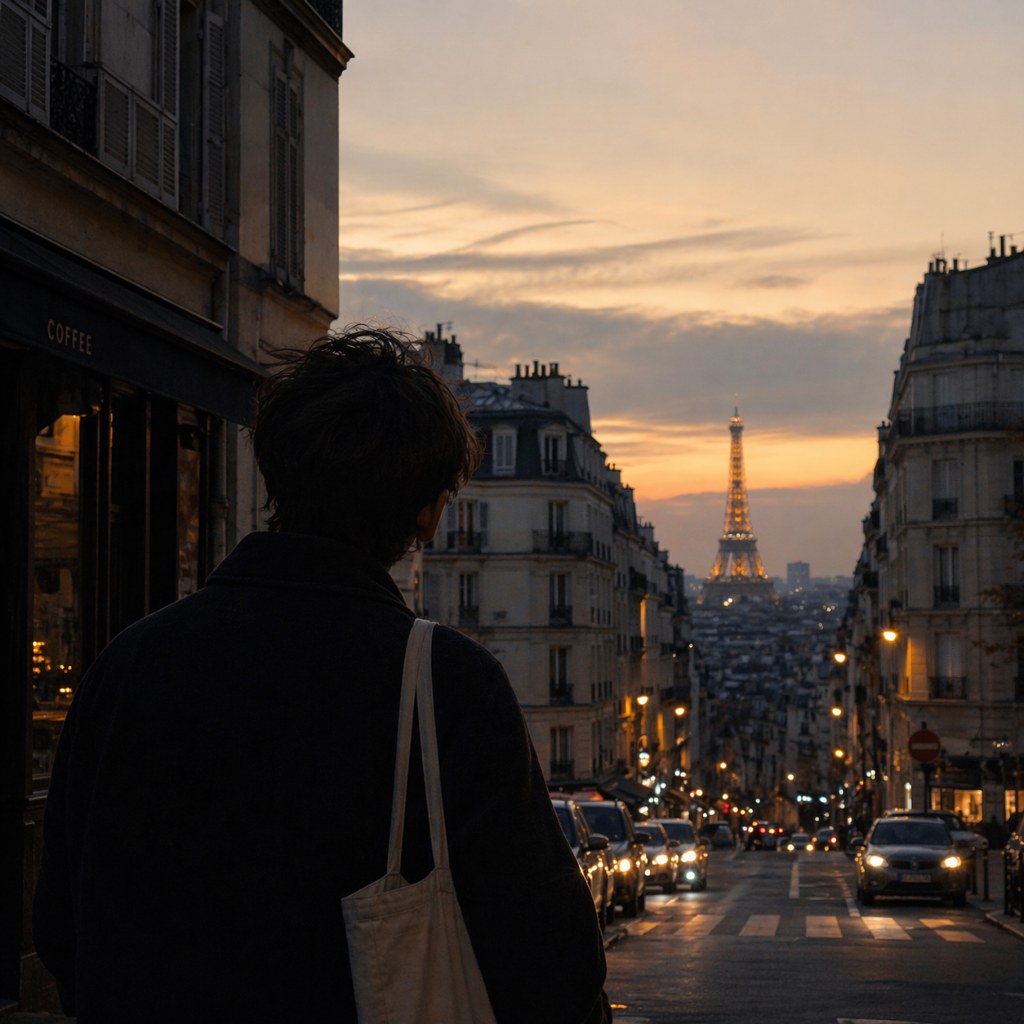
Paris has a reputation for rudeness that is, in practice, almost entirely a misunderstanding about a single word. Every transaction in this city — entering a shop, asking a question, ordering a coffee — is supposed to begin with <em>bonjour</em>. Skip it and you've broken the social contract before you spoke. Say it and the city becomes warmer than the mythology promises. The shortlist below is the sights, tables, and rooms I keep returning to. The logistics layer at the back is the part that actually saves a Paris trip: the bonjour rule, the museum reservations you absolutely need, when to walk and when to take the métro, the dining-hour windows, and where tourists reliably get stung.
Acelogue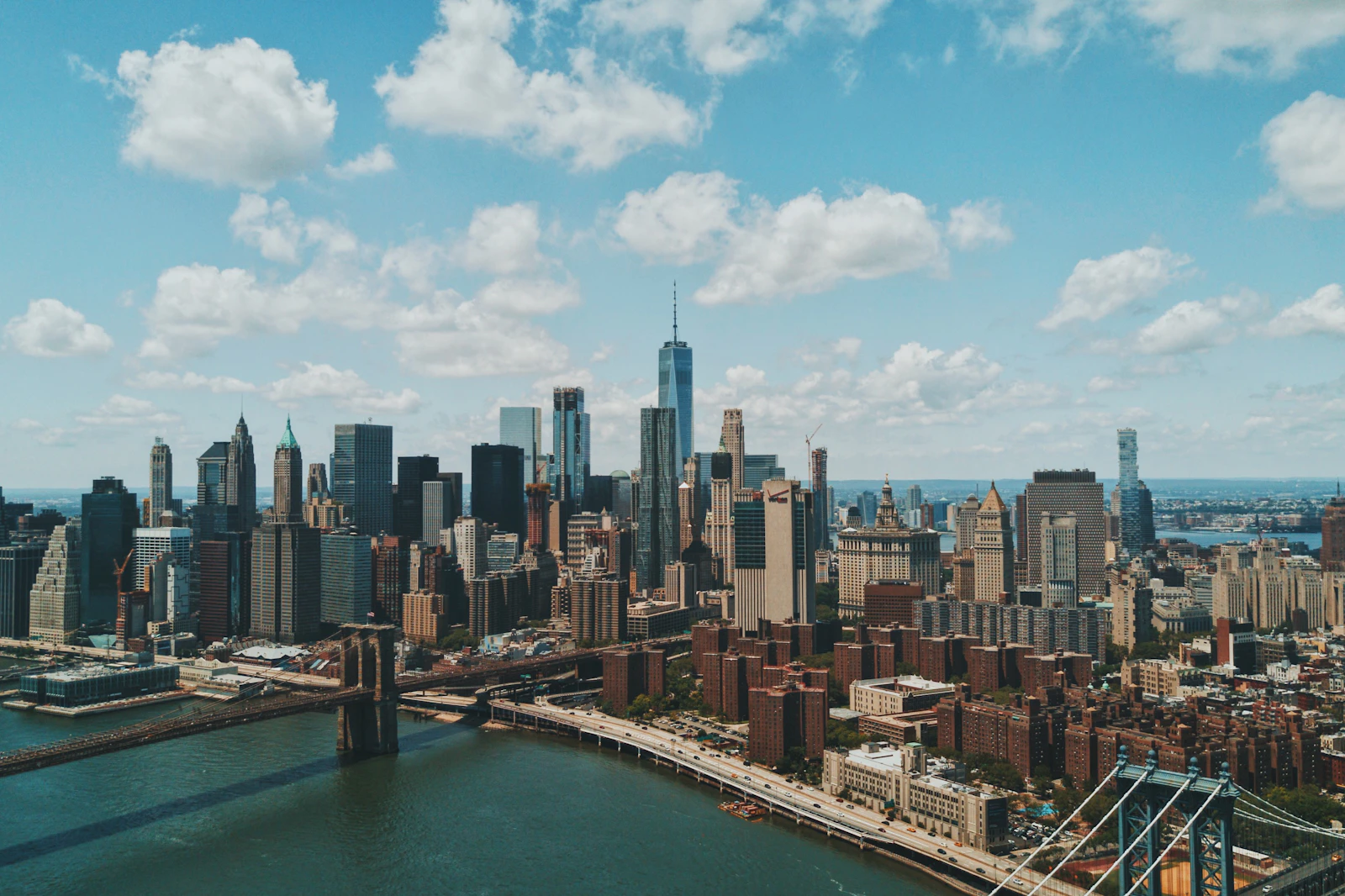
New York City Travel Guide
New York is built on a grid, charges 8.875% sales tax, expects 20% on top of that, and runs the only 24-hour subway in the country. None of those facts is romantic. Together they're the city's logic. What you came for — Broadway, the museums, Central Park, the West Village pizza at 02:00 after a show — only works if you've made peace with the math first. This is the shortlist across the five boroughs (Brooklyn and Queens are part of the trip; you don't have to do Staten Island). The logistics layer at the back is the part that catches first-timers: the OMNY tap, the tip breakdown, the Manhattan grid rules, the subway car you should not get into, and the specific reservation windows that separate the good week from the frustrating one.
Acelogue