
Barcelona 5-Day Deep Tour
Barcelona 5-Day Deep Tour
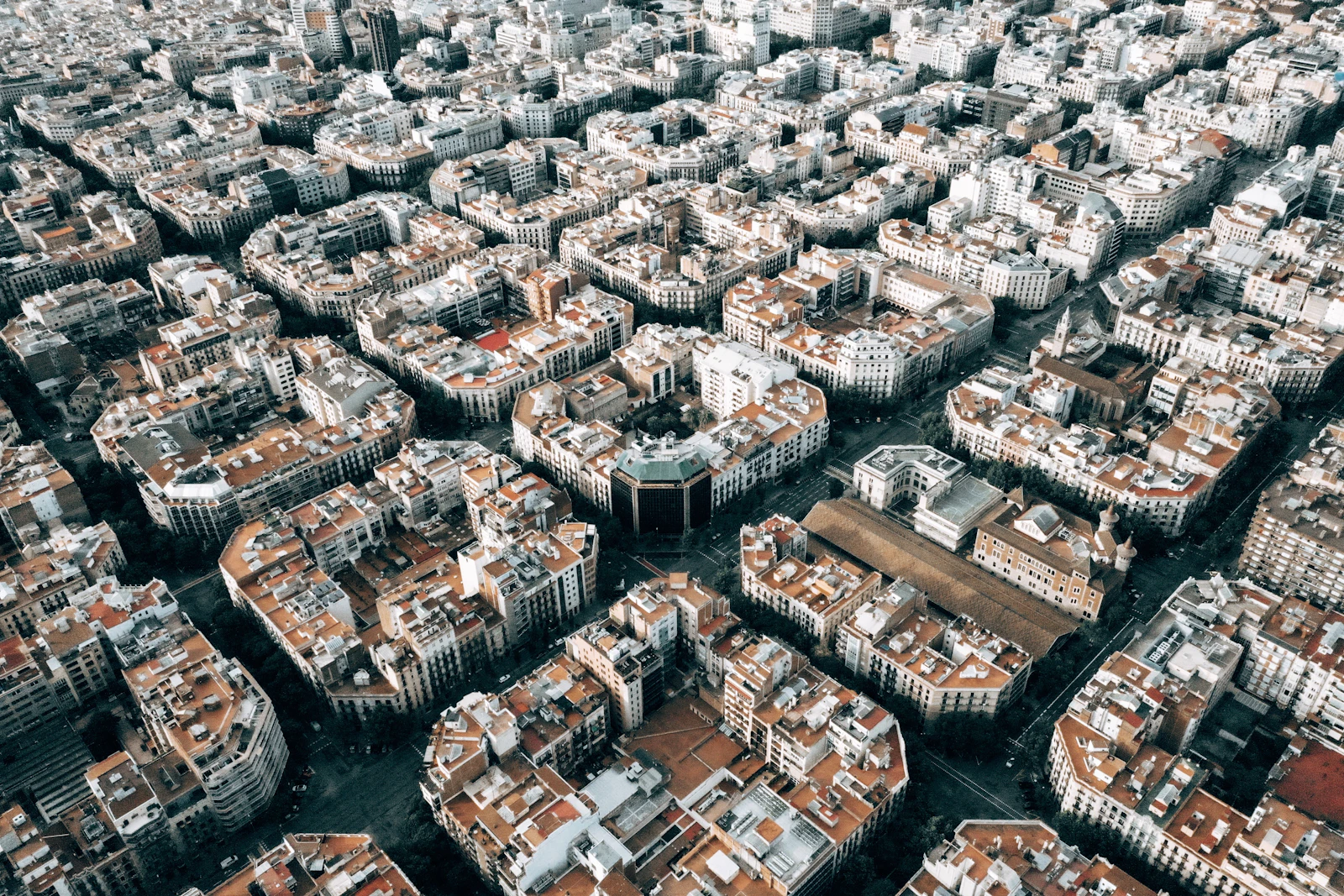
Five days in Barcelona reveals the parts the two-day version misses. The Sagrada Família and the Eixample Modernista circuit are non-negotiable and they hold two days, but the northern hills above Gràcia — Park Güell's mosaics, Gaudí's actual first house in Casa Vicens, the abandoned anti-aircraft battery at Bunkers del Carmel with its free 360° city panorama — are the version most people staying in the Eixample never find. The coast below the Old City is its own register: Barceloneta's towel-theft economy and Frank Gehry fish sculpture, Bogatell's calmer locals-preferred sand, the 1888 Arc de Triomf palm avenue at the park's edge.
The sequence runs north to south across the week. The hilltop day opens while the legs are still willing; the beach day follows as a deliberate slow-down. The Eixample, Old City, and Montjuïc arc runs through the final three days in order of density. Disfrutar closes the last night — the former elBulli kitchen's three-Michelin-star successor, 30 courses, five hours, and a room that takes dinner more seriously than the rest of Barcelona, which already treats dinner as the day's central commitment.
VoyRay Trip Planner
Make this itinerary your own
Start a new editable trip for Barcelona, then adjust the dates, route, places, budget, and travel pace to fit you.
Contents
Day 1
Day 1 — Park Güell + Botafumeiro
Park Güell at 09:00 before the Monumental Zone fills — the serpentine bench, the dragon staircase, the city spread below in the morning haze. Casa Vicens in Gràcia is 15 minutes downhill and almost never crowded: Gaudí's first commission from 1885, the Mudéjar-tile facade that established everything he did afterward. The Bunkers del Carmel battery at 16:00 is free, spare, and has a better 360° panorama than any paid viewpoint in the city. Botafumeiro's dining room in Gràcia closes it — the whole turbot, the goose-neck barnacles, a room where the seafood pricing is the honest price and the check reflects it.

Designed between 1900-1914 as a residential garden development that became a public park, Gaudí's Park Güell on Carmel Hill above Barcelona is a dreamlike landscape of mosaic-covered terraces, organic stone viaducts, gingerbread gatehouses covered in trencadís ceramic shards, and the famous undulating bench of the main terrace that commands a sweeping panorama of Barcelona and the Mediterranean beyond. The Monumental Zone—the paid section containing the famous mosaic dragon salamander fountain, the Hypostyle Room of 86 Doric columns with its undulating mosaic ceiling, and the panoramic terrace—showcases Gaudí's unique ability to integrate architecture with landscape, art, and natural form into a total environmental experience. The free surrounding park with its tree-lined stone viaducts and Mediterranean vegetation provides hours of exploration beyond the central monument.

This was Antoni Gaudí’s first house, commissioned in 1883. It is a vibrant example of his 'Orientalist' period, heavily influenced by Moorish (Mudéjar) architecture, featuring green and white ceramic tiles, horseshoe arches, and lush floral motifs. It recently opened to the public after decades as a private residence. The sensory experience is more intimate and colorful than his later, more skeletal works. Expert recommendation: look for the 'smoking room,' an incredible example of Mudéjar-style plasterwork and tiles. Pro tip: it’s located in the charming Gràcia neighborhood; after your visit, walk to Plaça de la Virreina for a coffee to experience the local, non-touristy side of Barcelona life.
.jpg)
Located just off Plaça de Catalunya, Ciudad Condal is a sister restaurant to Cervecería Catalana and shares its reputation for high-quality, high-volume tapas. The atmosphere is upscale yet frenetic, with a beautiful wooden bar and an extensive outdoor terrace on the leafy Rambla de Catalunya. The sight of the daily specials listed on chalkboards adds to the authentic gastropub feel. Expert recommendation: the 'Solomillo con Foie' (beef tenderloin with foie gras) is a legendary bite here. Pro tip: if the wait for a table is too long, try to hover near the bar; seating there is first-come, first-served and usually moves faster than the dining room tables.

These former anti-aircraft fortifications were built during the Spanish Civil War to defend the city against aerial bombings. While no actual 'bunkers' remain, the concrete platforms offer what many consider the best 360-degree sunset view of Barcelona, including the Sagrada Família and the sea. It has evolved from a hidden local gem to a popular social spot. Expert recommendation: bring a bottle of wine, some local ham, and bread for a DIY sunset picnic. Pro tip: since 2023, the local council has restricted nighttime access and fenced the area to prevent late-night parties; ensure you arrive by late afternoon and check current closing times (usually around 7:30 PM or 9:30 PM depending on the season).

Opening in 1901, Tibidabo is one of the oldest functioning amusement parks in the world. Perched on the highest point of the Serra de Collserola, it offers a nostalgic, vintage charm with rides like the Avió (the world's first flight simulator) and the colorful Ferris wheel. The sensory experience is a mix of old-world whimsy and breathtaking heights. It is significantly cooler here than in the city center. Expert recommendation: the 'Panoramic Area' can be accessed for free if you just want the views without the rides. Pro tip: take the 'Cuca de Llum' (Firefly) funicular from Plaça de la Tecnologia for a modern, scenic ride up the mountain.

Sitting at the very top of Tibidabo mountain, this church is often compared to Sacré-Cœur in Paris. It consists of a lower crypt built in Neo-Byzantine style and an upper Neo-Gothic church topped with a massive bronze statue of the Sacred Heart of Jesus. The contrast between the dark, ornate crypt and the bright, soaring upper church is striking. Expert recommendation: take the elevator to the very top gallery at the feet of the Jesus statue; it is the highest accessible point in Barcelona with unparalleled views. Pro tip: the wind can be very strong and cold at this height, so bring a light jacket even in summer.

Botafumeiro is the most famous seafood temple in Barcelona, known for its commitment to Galician-sourced ingredients and its classic, formal service. The interior is grand and traditional, featuring white tablecloths and a legendary brass bar. The sensory experience is dominated by the display of live lobsters, giant crabs, and the freshest oysters at the entrance. It is a favorite of celebrities and royalty. Expert recommendation: go for the 'Gran Mariscada' if you want a complete seafood feast, or simply sit at the bar for some of the best percebes (goose barnacles) in the city. Pro tip: while expensive, the quality is impeccable. It’s one of the few high-end places that remains open until late at night without closing between lunch and dinner.
Day 2
Day 2 — Barceloneta Beach + Cal Pep
Barceloneta is Barcelona's beach, meaning it has a specific theft economy operating at towel level whenever someone swims. The solution is rotation: swim in shifts, chain bags, or use Bogatell east of Port Olímpic where the crowd thins. Parc de la Ciutadella and the Arc de Triomf fill the afternoon in the cool of the park and the Passeig de Lluís Companys palm avenue. Cal Pep ends it at 19:30 — 20 counter stools, no menu, Pep's team decides what you eat, and the only question you answer is what you don't.
.jpg)
This is the city's most famous and accessible beach, transformed during the 1992 Olympic renovations from an industrial zone into a vibrant seaside promenade. It is a sensory explosion of golden sand, Mediterranean salt air, street performers, and chiringuitos (beach bars). While often crowded, it embodies the sun-drenched lifestyle of Barcelona. Expert recommendation: walk to the very end of the breakwater for a unique photo of the 'W Hotel' sail against the horizon. Pro tip: be vigilant with your belongings as pickpockets are very active here; if you want a quieter swimming experience, head further north to Bogatell or Mar Bella beaches.

Created for the sailing events of the 1992 Olympics, Port Olímpic is a leisure harbor famous for its two skyscrapers (Hotel Arts and Torre Mapfre) and the giant golden 'Peix' (Fish) sculpture by Frank Gehry. The area has undergone a major transformation in 2024 to move away from nightlife and focus on 'blue economy' and high-quality dining. The sensory experience is characterized by sea breezes, the clinking of boat masts, and sun-drenched terraces. Expert recommendation: the new 'Gastronomic Balcony' offers several upscale restaurants with great views over the docks. Pro tip: it’s the best place to rent a sailboat or join a shared sunset cruise; many boat tours depart from the piers here.
Bogatell was another beach created during the 1990s urban renewal and has become the favorite spot for locals. It is significantly wider than the beaches further south, offering more space to breathe and a more 'authentic' vibe. The crowd here is typically younger, with many people playing sports or gathering for beach parties. The water quality is often rated the best among the urban beaches. Expert recommendation: come here if you want to play beach volleyball; the courts are always active and usually higher level. Pro tip: there are fewer chiringuitos (beach bars) here than at Barceloneta, so consider bringing your own drinks and snacks, though there are excellent permanent restaurants just across the road in the Poblenou district.

For decades the city's only green space, this park was built on the site of a former military citadel. It houses the Catalan Parliament, the Barcelona Zoo, and several museums. The park’s crown jewel is the Cascada Monumental, a grand fountain featuring contributions from a young Antoni Gaudí. The atmosphere is quintessential Barcelona: relaxed, social, and vibrant. You’ll see locals practicing yoga, rowing boats on the small lake, or picnicking under orange trees. Expert recommendation: find the giant stone mammoth sculpture for a quirky photo op. Pro tip: visit on a Sunday afternoon to witness local drum circles and swing dancing groups near the bandstand.

Built by architect Josep Vilaseca i Casanovas as the main gateway for the 1888 Barcelona Universal Exposition, this triumphal arch stands out due to its reddish brickwork and Neo-Mudéjar style. Unlike military arches found in Paris, this was a civil monument dedicated to artistic and economic progress. It anchors a wide, palm-lined promenade that leads directly into Parc de la Ciutadella. The area is always alive with skaters, families, and street performers. Expert recommendation: the promenade is a perfect spot for photography, especially during the 'golden hour' when the red bricks glow. Pro tip: it’s a flat, easy walk from here to the beach, making it a great starting point for a cross-city stroll.
Cal Pep is widely considered one of the most iconic tapas experiences in Spain. There is no set menu; the waiter usually asks what you like and brings out a series of seasonal, market-fresh small plates. The sensory experience is centered around the long, sleek bar where you can watch the chefs work with incredible speed and precision. Expert recommendation: the 'Tortilla de Trufa' (truffle omelet) and the 'Fried Garbanzo Beans' are must-tries if available. Pro tip: the bar only seats about 20 people and doesn't take reservations for the counter. Arrive 30 minutes before opening or be prepared to wait for over an hour. If you have a group of four or more, you can reserve a table in the small back room.
Day 3
Day 3 — Sagrada Família + Hospital de Sant Pau
The Sagrada Família has been under construction since 1882, which Gaudí apparently considered a feature. The midday stained glass is the visit's actual payoff — the nave turns red-blue-green from above, and the tower gives you the spires at close range. Hospital de Sant Pau at the top of the Avinguda de Gaudí closes the Eixample day: Domènech i Montaner's 27-pavilion Modernista hospital from 1930, UNESCO-listed, visited by a fraction of the people who walk past it on the way to the Sagrada.
.jpg)
Antoni Gaudí's masterwork—a Roman Catholic minor basilica under continuous construction since 1882 and projected for completion around 2026—is the most visited monument in Spain and the most extraordinary work of architecture being created anywhere in the world, its 18 planned towers (representing Christ, the Evangelists, the Virgin Mary, and the twelve Apostles) covered in organic sculptural forms of stone, ceramic, and glass that defy every architectural category. The Nativity Facade completed during Gaudí's lifetime crawls with naturalistic stone animals, plants, and Biblical scenes of extraordinary delicacy, while the completed interior of the central nave creates a forest of branching columns supporting a tree canopy of interlocking vaults that filters light through stained glass windows in a rainbow of Mediterranean color. Gaudí is buried in the crypt and died in 1926 when struck by a tram, leaving the basilica to be completed from his models, drawings, and the collective genius of generations of Catalan architects.

Known locally as the 'House of Bones' due to its skeletal facade, Casa Batlló is a crowning achievement of Gaudí’s mature period. The building represents the legend of Saint George and the Dragon, with the roof tiles resembling iridescent scales and the balconies shaped like masks. Inside, the lack of straight lines and the use of blue ceramic tiles in the light well create an underwater-like atmosphere. The sensory experience is enhanced by an immersive augmented reality tour. Expert recommendation: look closely at the mushroom-shaped fireplace and the intricate woodwork. Pro tip: visit during the first slot of the day or choose the 'Blue' or 'Silver' tickets for early access to beat the narrow hallway congestion.

Nicknamed 'La Pedrera' (The Stone Quarry) because of its rough-hewn limestone exterior, this is Gaudí's last private residence design. The building is a masterpiece of structural innovation, featuring a self-supporting stone facade and an underground garage. Its most striking feature is the rooftop Warrior Terrace, where chimneys are transformed into surrealist sculptures that look like guardians. The interior apartment provides a glimpse into the lifestyle of the 20th-century Barcelona bourgeoisie. Expert recommendation: the 'The Origin' night show includes a spectacular light projection on the rooftop chimneys. Pro tip: the attic, with its whale-skeleton-like brick arches, is the best place to understand Gaudí’s architectural logic. Avoid midday when the stone facade reflects intense heat.

Barcelona’s most elegant boulevard, Passeig de Gràcia is the city's equivalent to the Champs-Élysées. It is a showcase of Catalan Modernism, home to the famous 'Manzana de la Discordia' where Gaudí, Domènech i Montaner, and Puig i Cadafalch all built competing masterpieces. Today, it combines high-end fashion boutiques like Loewe and Chanel with stunning architecture and iconic wrought-iron street lamps designed by Pere Falqués. Expert recommendation: look down at the hexagonal paving stones designed by Gaudí that line the sidewalks. Pro tip: if shopping is your goal, many shops offer VAT refund services for non-EU residents; look for the 'Tax Free' signs to save up to 15%.

The Recinte Modernista de Sant Pau is the world’s largest Art Nouveau complex and a UNESCO World Heritage site. Designed by Lluís Domènech i Montaner, this former hospital was envisioned as a 'city within a city' where patients could heal in beautiful gardens surrounded by colorful mosaics and vaulted ceilings. It is often overshadowed by Gaudí’s works but is equally breathtaking in its detail and scale. Expert recommendation: visit the administrative pavilion to see the most ornate stained glass and tile work. Pro tip: it is located at the end of Avinguda de Gaudí, making it a perfect, scenic 10-minute walk from the Sagrada Família.
Day 4
Day 4 — Gothic Quarter + Picasso Museum
The Gothic Quarter is best entered without a fixed route — the lanes narrow to one-person width without warning, and the Roman walls that surface every few blocks are not marked. La Boqueria for lunch at Bar Pinotxo or El Quim: counter seats, point at the display, no menu. The Picasso Museum in the afternoon is the final argument: the Las Meninas series in seventeen rooms, painted in 1957, forty-three years after Picasso last lived in this neighborhood, which is the correct distance for that kind of obsession.

The Barri Gòtic is the historic center of the old city, characterized by a labyrinth of narrow medieval streets that open into hidden squares. This area contains remains of the city's Roman wall and several significant landmarks from the Middle Ages. Walking through here is a sensory journey through time, where the smell of incense from old churches mixes with the sound of street musicians echoing off stone walls. Expert recommendation: seek out Plaça de Sant Felip Neri, a quiet square with a tragic history and a beautiful fountain. Pro tip: the quarter is a maze where GPS often fails; embrace getting lost, but keep a close eye on your belongings as it is a prime spot for pickpockets.

The Cathedral of the Holy Cross and Saint Eulalia is a stunning example of Gothic architecture located in the heart of the city. Construction spanned from the 13th to the 15th centuries, resulting in a grand interior with high-vaulted ceilings and intricate choir stalls. A unique feature is the secluded cloister, home to 13 white geese representing the age of the martyred Saint Eulalia. The atmosphere is solemn and cool, offering a quiet refuge from the bustling city. Expert recommendation: take the elevator to the roof for a unique perspective of the cathedral’s spires and the Gothic Quarter's rooftops. Pro tip: entry is free for worship at specific times, but a paid tourist ticket is required for the choir, roof, and museum access. Dress modestly to ensure entry.

Stretching 1.2 kilometers from Plaça de Catalunya to the Columbus Monument, La Rambla is the most famous pedestrian boulevard in Barcelona. It is a vibrant, bustling artery lined with flower stalls, street performers, and bird markets. The street is divided into sections, each with its own character, including the famous Font de Canaletes, where legend says drinking the water ensures a return to the city. The sensory experience is overwhelming, filled with the chatter of tourists and the vibrant colors of the market. Expert recommendation: look down to see the Joan Miró mosaic embedded in the pavement near the Liceu Theatre. Pro tip: while iconic, the restaurants here are overpriced 'tourist traps'; walk a few streets into El Raval or the Gothic Quarter for better food.

Barcelona's most famous covered market occupying a 19th-century iron structure on La Rambla has supplied the city's households and restaurants with fresh produce since the 13th century, its 300 stalls offering an extraordinary spectrum of Catalan and global ingredients—jamón ibérico legs hanging in aromatic rows, gleaming arrangements of fresh seafood still wet from the morning's Mediterranean catch, pyramids of vivid Catalonian tomatoes for pan con tomate, wild mushrooms from the Pyrenean foothills, and the best fresh fruit juices in Spain. While the market has become increasingly tourist-oriented in recent years, the genuine food professionals who stock the inner stalls serving local restaurants in the morning hours represent a living tradition of Catalan food culture. The morning pintxo bars and seafood counters around the perimeter offer exceptional food at standing room prices.

Often cited as the finest example of pure Catalan Gothic architecture, this basilica was built in the 14th century in record time (just 54 years). It was funded and built by the local parishioners—the sailors and porters of the La Ribera district. Inside, the space is defined by its incredible sense of lightness and austerity, with slender octagonal columns spaced widely apart. The atmosphere is hauntingly beautiful and minimalist compared to the main cathedral. Expert recommendation: look for the FC Barcelona crest in one of the stained-glass windows, a gift from the club after a fire restoration. Pro tip: take the rooftop tour for an intimate look at the buttresses and a stunning view of the Born district.

Housed in five adjoining medieval stone palaces in the El Born district, this museum holds one of the most extensive collections of artworks by the 20th-century Spanish artist Pablo Picasso. The collection focuses specifically on his formative years, revealing his deep connection to Barcelona. Visitors can trace his evolution from classical realism to the beginnings of Cubism, with highlights including the 'Las Meninas' series. The architecture of the palaces, with their inner courtyards and Gothic staircases, is as impressive as the art itself. Expert recommendation: spend extra time in the galleries showcasing his blue period works. Pro tip: the museum offers free entry on Thursday afternoons and the first Sunday of every month, but these slots must be booked online in advance.
Day 5
Day 5 — Plaça d'Espanya + Disfrutar
Montjuïc in afternoon light earns the climb. MNAC's rooftop terrace has the city's best free panorama; the Romanesque murals inside have the city's best permanent collection. The Joan Miró Foundation's sculpture garden is the afternoon supplement; Montjuïc Castle at the summit is the punctuation — ramparts, port views, the cannons that pointed at the city for three centuries. Disfrutar at 22:00 is the calibrated close: 30 courses, five hours, three former elBulli chefs, and a room that treats the meal as the reason the day existed.
_03.jpg)
Built for the 1929 International Exhibition, this is one of Barcelona's most important and grandest squares. It is anchored by the Venetian Towers and a monumental fountain designed by Josep Maria Jujol (a collaborator of Gaudí). It serves as the gateway to the Montjuïc museums and the Magic Fountain. The scale of the square is immense, designed to impress visitors arriving from the south. Expert recommendation: go to the top of the 'Arenas de Barcelona' (a former bullring turned shopping mall) for a fantastic 360-degree view of the plaza and the MNAC. Pro tip: the traffic circle here is very busy; use the underground pedestrian tunnels to cross safely between the metro and the various sides of the square.

Housed in the majestic Palau Nacional, the MNAC is famous for having the world's most significant collection of Romanesque church paintings. These ancient frescoes, rescued from crumbling Pyrenean churches, are displayed in atmospheric rooms that mimic their original settings. The museum also covers Gothic, Renaissance, and Modernist art, offering a comprehensive history of Catalan identity through visual culture. The grand Great Hall is an architectural marvel in itself. Expert recommendation: the rooftop viewpoints offer a spectacular 360-degree view of the city, arguably better than the castle. Pro tip: admission is free on Saturdays after 3:00 PM and the first Sunday of every month; ensure you book these slots online.

Nestled in the lush greenery of Montjuïc, this museum was founded by Joan Miró himself to create a space for contemporary art research. The building, designed by Josep Lluís Sert, is a masterpiece of rationalist architecture, featuring large skylights and Mediterranean white walls that allow natural light to illuminate Miró’s vibrant, surrealist paintings and sculptures. The sensory experience is one of profound tranquility and playful creativity. Expert recommendation: don't miss the rooftop terrace, where Miró’s colorful sculptures stand against the backdrop of the city skyline. Pro tip: combine this visit with a stroll through the nearby Laribal Gardens for a perfect afternoon of art and nature.

Built for the 1929 International Exposition, this 'Spanish Village' is an architectural museum featuring 117 full-scale buildings representing different regions of Spain. Walking through its gates is like a fast-track tour of the country, from the white-washed streets of Andalusia to the stone houses of Aragon. It is also a hub for traditional crafts, with live glass-blowing and pottery workshops. Expert recommendation: visit the Fran Daurel Museum inside, which contains works by Picasso and Dalí. Pro tip: it’s a great family-friendly spot, but check the schedule for evening concerts or festivals, as the main square often transforms into a vibrant nightlife or event venue.

Perched atop Montjuïc hill, this 17th-century military fortress offers a 360-degree view of the city and the Mediterranean Sea. The castle has a dark history, having been used as a prison and execution site during the Spanish Civil War, but today it serves as a peaceful municipal facility and garden. Walking along its ramparts provides a cool breeze and stunning vistas of the industrial port. Expert recommendation: take the Montjuïc Cable Car to the top for a scenic ascent, then walk down through the Joan Brossa gardens. Pro tip: visit in the late afternoon to catch the sunset over the Llobregat delta; the castle often hosts outdoor cinema events during the summer months.
.jpeg)
Built for the 1929 International Exhibition, the Magic Fountain is a spectacular display of light, color, music, and water acrobatics located at the foot of the MNAC. The fountain uses roughly 2,600 liters of water per second in a choreographed dance to soundtracks ranging from classical music to 80s pop. It is a quintessential Barcelona evening experience that gathers thousands of spectators on the steps of the Plaça d'Espanya. Expert recommendation: watch the show from the bridge on Avinguda de la Reina Maria Cristina for the best symmetrical view. Pro tip: check the official website for seasonal show times and drought-related closures, as the fountain is often turned off during water conservation periods.

Ranked as one of the best restaurants in the world, Disfrutar is run by three former El Bulli chefs. The name means 'to enjoy,' and the sensory experience is a high-concept journey through avant-garde Mediterranean cuisine. The space is bright and airy, inspired by the ceramics of the nearby Mediterranean. Expect dishes that look like one thing but taste like another—tricks of texture and temperature that surprise the palate. Expert recommendation: the 'Classic' tasting menu is a perfect introduction to their legendary techniques, including the famous 'liquid salad.' Pro tip: reservations open exactly 365 days in advance and disappear within minutes. If you can't get a table, join the waiting list; cancellations do happen, especially mid-week.