
Seoul 5-Day Deep Dive
Seoul 5-Day Deep Dive
Five days is enough time to understand why Seoul keeps producing people genuinely proud of it. Gyeongbokgung Palace and the Starfield Library's atrium are forty minutes apart by Metro and represent, between them, about six hundred years of Korean aspiration. The contrast is not always comfortable, but it is rarely dull — and the subway is fast enough that the city doesn't ask you to choose sides.
The five days follow Seoul's geography west to east, then south. The Hongdae university quarter opens the trip, transitioning north through the palace district. Yongsan and Itaewon follow — the war museum, N Seoul Tower, dinner at Maple Tree House. The hanok and palace circuit comes next: Changdeokgung's Secret Garden, Bukchon, Ikseon-dong at night. The eastern quarter holds the market energy — Gwangjang, DDP's night architecture, the Lotte World Tower. Gangnam closes: Bongeunsa between the glass towers, Jungsik for a long lunch, Apgujeong, and Myeongdong's street food to finish.
VoyRay Trip Planner
Make this itinerary your own
Start a new editable trip for Seoul, then adjust the dates, route, places, budget, and travel pace to fit you.
Contents
Day 1
Day 1 — Hongdae Walking Street + Gyeongbokgung Palace
Hongdae is the side of Seoul built by art students and kept that way. The walking street and surrounding alleys hold the city's densest concentration of independent food, music, and independent clothing. Tosokchon handles lunch — the ginseng chicken soup Seoulites eat when they're depleted — before the afternoon moves north to Gyeongbokgung's formal grounds. The evening returns to Hongdae for Korean BBQ at Saemaul Sikdang.
The epicenter of Seoul’s youth culture, Hongdae (named after Hongik University) is a breeding ground for indie music, street art, and fashion. The 'Walking Street' is famous for its outdoor busking zones where talented dancers, singers, and magicians perform every evening. The atmosphere is electric, fueled by the energy of students and creative souls. The walls are adorned with professional-grade graffiti, and the shops offer the latest 'fast fashion' trends at affordable prices. Experts recommend checking out the 'Free Market' on Saturdays for handmade crafts by local students. Pro tip: For the best busking experience, arrive after 7 PM; if you’re looking for a quiet moment, the nearby Yeonnam-dong area offers a more 'chill' park vibe.
Located in a large, beautiful traditional Hanok building near Gyeongbokgung Palace, Tosokchon is famous for being the favorite 'Samgyetang' (ginseng chicken soup) spot of late President Roh Moo-hyun. The soup features a whole young chicken stuffed with glutinous rice, jujube, ginger, garlic, and a thick, nutty broth made with 30 different herbs and grains. The atmosphere is authentically historic, with diners sitting on floor mats in wooden rooms. Experts recommend drinking the small cup of ginseng wine served with the meal—either as a shot or poured into the boiling soup for extra aroma. Practical pro tip: Lines can be extremely long during lunch and on 'Sambok' (hottest days of summer); try arriving at 10:30 AM right when they open to secure a seat immediately.

The largest and most magnificent of Seoul's Five Grand Palaces, Gyeongbokgung was built in 1395 as the main royal palace of the Joseon Dynasty and its vast complex of throne halls, banquet pavilions, royal gardens, and secretariat buildings spreads across 40 hectares at the foot of Bugaksan Mountain. The hourly Changing of the Royal Guard ceremony at the Heungnyemun Gate draws crowds with its elaborate Joseon-era uniforms and ceremonial precision, while the National Palace Museum and National Folk Museum of Korea within the grounds provide deep historical context. Renting a hanbok traditional costume grants free entry and transforms any visit into an immersive time-travel experience.
Saemaul Sikdang is a beloved K-BBQ chain known for its nostalgic 1970s theme and its signature 'Yeontan Bulgogi'—thinly sliced pork marinated in a spicy sauce and grilled over charcoal. Another legendary dish here is the '7-minute Kimchi Jjigae,' which is boiled down into a thick, savory stew designed to be mixed with rice and copious amounts of dried seaweed. The atmosphere in Hongdae is young, smoky, and incredibly lively. Experts recommend the pork shoulder (Moksal) for a less spicy but equally delicious meat option. Practical pro tip: This is one of the best value-for-money BBQ spots in Seoul; it’s perfect for a late-night meal after exploring the Hongdae busking scene as it often stays open 24 hours.
Day 2
Day 2 — Seoullo 7017 + Maple Tree House (Itaewon)
The Yongsan district is where Seoul's military history and its contemporary design ambition share space without apology. The War Memorial covers the full scale of the Korean War in an outdoor and indoor format that takes time. N Seoul Tower sits above the city on Namsan, a thoughtful altitude. Dinner at Maple Tree House in Itaewon — premium Korean BBQ, high ceilings, known for its beef quality.

Seoullo 7017 is an elevated urban linear park built on a decommissioned 1970s highway overpass. The name '7017' references both the year the overpass was built (1970) and its rebirth as a pedestrian walkway (2017). It features over 24,000 plants representing 228 species, arranged in a living library of Korean flora. Walking along this path 17 meters above the ground provides a unique 'floating' perspective of the bustling Seoul Station area and the historic Namdaemun Gate. The sensory experience is enhanced by the blue LED lights that glow at night. Experts recommend starting from the Hoehyeon station side and walking toward Seoul Station at sunset. Pro tip: There are small 'foot baths' and cafes along the path where you can rest your feet while watching the heavy traffic move below.

This massive complex serves as a poignant reminder of Korea’s turbulent military history, particularly the Korean War. The outdoor exhibition showcases over 100 large-scale weapons, including aircraft, tanks, and missiles, while the indoor halls offer deeply moving accounts of the struggle for peace. The 'Statue of Brothers' at the entrance is a powerful symbol of the nation's division and hope for reunification. The scale of the memorial is humbling, and the atmosphere is one of solemn respect. Experts suggest visiting the 'Memorial Hall' to see the names of fallen soldiers from around the world. Pro tip: Allow at least 3 hours to see everything; the outdoor displays are free and great for kids.
.jpg)
Perched atop Namsan Mountain at 479 meters above sea level, N Seoul Tower has been Seoul's most recognizable landmark since 1980, offering 360-degree panoramic views of the city from its observation deck that reveals the Han River, surrounding mountains, and the endless urban sprawl in all directions. The tower's lighting changes color based on air quality—a blue light on clear days celebrates good visibility while its presence defines the Seoul skyline. The famous love lock fence surrounding the base is festooned with thousands of padlocks left by couples declaring their eternal affection, and the cable car ride from Myeongdong adds to the romance of the ascent.

As the flagship museum of Korean history and art, this grand structure houses over 300,000 artifacts, from prehistoric times to the modern era. The architecture itself is significant, designed to frame the view of Namsan Mountain through its open plaza. Inside, the 'Ten-Story Pagoda from Gyeongcheonsa Temple' dominates the central hall with its intricate carvings. The sensory experience is serene and scholarly, with beautifully lit galleries highlighting treasures like the Pensive Bodhisattva. Experts recommend the 3rd-floor Sculpture and Crafts gallery for its stunning celadon ceramics. Pro tip: Entry to the permanent collection is free; use the museum's free app for an excellent English audio guide as you walk through.
_2022_Halloween.jpg)
Maple Tree House offers a sophisticated and modern twist on the traditional Korean BBQ experience, set in a stylish interior featuring walls lined with thousands of empty green soju bottles. It is particularly famous for its high-quality 'Hanwoo' (premium Korean beef) and its thick-cut Jeju black pork belly. The atmosphere is trendy and foreigner-friendly, with staff providing professional grilling services so your meat is cooked to perfection. Experts recommend the 'Aged Chuck Flap Tail' for its incredible marbling and melt-in-your-mouth texture. Practical pro tip: The Itaewon branch is very popular for dinner; it’s wise to make a reservation through their website or walk in before 6:30 PM to avoid a long wait.
Day 3
Day 3 — Cheonggyecheon Stream + Ikseon-dong Hanok Village
The hanok and palace circuit at a full day's pace. Cheonggyecheon Stream anchors the morning before the route moves north through Insadong's gallery alleys and Jogyesa's incense-heavy forecourt. Changdeokgung's UNESCO-listed gardens hold the afternoon. Bukchon's rooflines are at their best in late-afternoon light. Ikseon-dong's hanok bars take the evening.

Once a neglected waterway covered by a highway, Cheonggyecheon was restored in 2005 into an 11-kilometer urban oasis that has become a symbol of Seoul's ecological commitment. The stream flows several meters below street level, providing a cool, quiet escape from the urban noise with the soothing sound of waterfalls and rustling reeds. It is a cultural venue for the annual Lantern Festival, where the water is illuminated by intricate floating art. Experts recommend the stretch near Cheonggye Plaza for the most dramatic stone features and light shows. Pro tip: It’s a perfect spot for a romantic night walk; start at the 'Spring' sculpture and walk eastward to avoid the densest crowds.
Insadong is the cultural heart of Seoul, where the city’s past and present converge through antique shops, traditional paper (hanji) stores, and hidden teahouses. Historically a place for artists and scholars, it remains the best place to find authentic Korean crafts and calligraphy. Ssamzigil, a spiral-shaped shopping courtyard, offers a modern twist with local designer boutiques. The area smells of roasted corn tea and traditional incense. Experts recommend ducking into the small side alleys to find the most authentic 'Pajeon' (green onion pancake) restaurants. Pro tip: Visit on weekends when the main street becomes pedestrian-only, and look for the 'Sool Gallery' to learn about and taste traditional Korean liquors.

Jogyesa is the chief temple of the Jogye Order of Korean Buddhism and serves as the heart of urban Buddhism in Seoul. Unlike temples tucked away in mountains, Jogyesa is integrated into the city’s fabric, neighboring the Insadong district. The main hall, Daeungjeon, is impressively large and houses three massive golden Buddhas. The courtyard is home to a 500-year-old White Pine tree and an ancient scholar tree. During the Lotus Lantern Festival, the temple becomes a kaleidoscope of color. Experts recommend visiting in October for the Chrysanthemum Festival when the entire grounds are covered in elaborate flower sculptures. Pro tip: Visitors are welcome to enter the hall for prayer, but remember to remove your shoes and walk along the sides rather than the center.

A UNESCO World Heritage site, Changdeokgung was the favored palace of Joseon kings because its design harmonizes perfectly with the surrounding topography rather than imposing upon it. The crown jewel is the 'Huwon' or Secret Garden, a private woodland retreat featuring lotus ponds, pavilions, and century-old trees that represent the pinnacle of Korean garden design. The atmosphere is profoundly meditative, especially in the garden's deep recesses. Experts suggest booking the Huwon tour weeks in advance, as access is strictly limited. Pro tip: Visit during autumn (late October to early November) when the Secret Garden is transformed into a spectacular canvas of fiery maples and golden ginkgo leaves.

Nestled between Gyeongbokgung Palace and Changdeokgung Palace, this hillside neighborhood of 900 traditional Korean hanok houses is one of the best-preserved historic areas in Seoul, offering a fascinating contrast of traditional curved tiled roofs against the modern skyscrapers beyond. The narrow alleyways of Gahoe-dong wind past artisan workshops, small galleries, teahouses, and hanbok rental studios where visitors transform into walking portraits of the Joseon era against the beautiful traditional architecture. Early morning visits before tour groups arrive allow for quiet exploration of the residential streets where locals still live amid this living heritage village.

Ikseon-dong is one of Seoul’s oldest neighborhoods, recently revitalized into the city’s trendiest district. While Bukchon is residential and grand, Ikseon-dong is intimate and commercial, with narrow alleys filled with 'Newtro' (new-retro) styled cafes, bars, and craft shops housed inside 100-year-old hanoks. The sensory experience is a delight—the smell of freshly baked soufflé pancakes, the sight of pastel-colored umbrellas, and the charm of weathered wooden beams. Experts recommend 'Solsot' for traditional pot rice or 'Meal Toast' for their famous steamed bread. Pro tip: The alleys are extremely narrow and can become incredibly crowded on weekends; visit on a weekday morning at 11 AM when shops just begin to open for the best experience.
Day 4
Day 4 — Jongmyo Shrine + Lotte World Tower (Seoul Sky)
The eastern arc from Jongno to Jamsil runs through Seoul's most historically layered ground. Jongmyo Shrine is the Joseon royal ancestral shrine — one of the more potent silences in the city, especially when empty. Gwangjang Market handles mid-morning with bindaetteok and mayak kimbap. DDP's exterior lights well into the evening. The Lotte World Tower closes the day from the 123rd floor.

As a UNESCO World Heritage site, Jongmyo is the oldest and most authentic of the Confucian royal shrines preserved today. Built in the 14th century, it was dedicated to the forefathers of the Joseon Dynasty. The architecture is strikingly minimalist and elongated, designed to evoke a sense of infinite solemnity and spiritual peace. The main hall, Jeongjeon, is one of the longest wooden buildings in Asia. The atmosphere is one of profound silence, punctuated only by the rustle of ancient trees. Experts recommend visiting on the first Sunday of May to witness the Jongmyo Jerye, a royal ancestral ritual with music and dance that has been performed for 600 years. Pro tip: Except on Saturdays and the last Wednesday of each month, you must join a guided tour (available in English) to enter the shrine.

Seoul's oldest and most vibrant traditional market has operated continuously since 1905, and its covered food hall is one of the best places in the country to eat authentic Korean street food at long communal tables surrounded by the electric energy of hundreds of vendors calling out their specialties. The market is famous for its bindaetteok mung bean pancakes sizzled crisp in oil, yukhoe raw beef tartare seasoned with sesame and pear, kimbap rice rolls prepared by elderly grandmothers, and mayak gimbap (addiction rolls) that have their own cult following. A visit here at lunch surrounded by office workers slurping noodles offers an unfiltered window into daily Seoul food culture.

Heunginjimun, the 'Gate of Rising Benevolence,' is the grand eastern gate of Seoul’s ancient city wall. It is the only one of the four main gates featuring an 'Ongseong'—a semi-circular protective outer wall designed to defend against invaders. The architecture is more ornate than Namdaemun, reflecting the style of the late Joseon period. The gate is located at the center of the Dongdaemun shopping district, creating a sharp contrast between 14th-century history and 21st-century fashion. Experts recommend walking up the 'Seoul City Wall' trail starting right across the street in Naksan Park for a view of the gate from above. Pro tip: The gate is especially beautiful at night when the traffic lights create light trails around its historic stone base.

Designed by the legendary Zaha Hadid, the DDP is a neofuturistic landmark characterized by its fluid, 'silver-spaceship' curves and absence of internal columns. It serves as Seoul's creative hub for exhibitions, fashion shows, and design markets. The exterior, covered in 45,133 unique aluminum panels, comes alive at night with integrated LED lighting, creating a surreal, otherworldly atmosphere. Experts recommend exploring the 'Design Lab' for unique souvenirs and visiting the LED Rose Garden (if active) for a romantic walk. Pro tip: The building is extremely photogenic at night; use a wide-angle lens to capture the sweeping architecture and the contrast with the bustling Dongdaemun markets across the street.

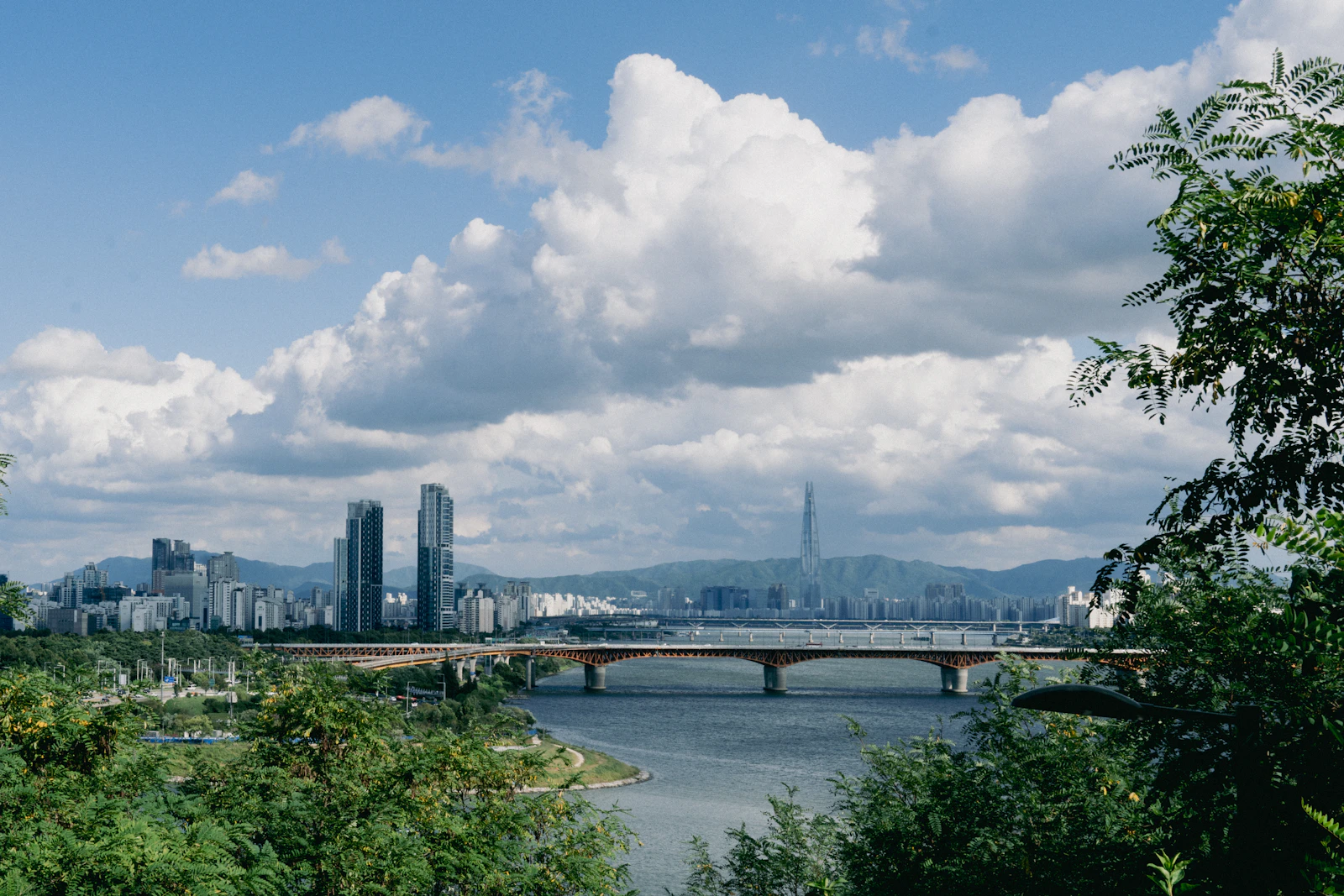
Standing as the tallest building in Korea and the 6th tallest globally, Lotte World Tower is a feat of modern engineering inspired by traditional Korean ceramics and calligraphy brushes. Its observation deck, Seoul Sky, features a dizzying glass-floor 'Sky Deck' at 478 meters, offering a heart-racing view of the city directly beneath your feet. The high-speed 'Sky Shuttle' elevator provides an immersive VR journey during the 60-second ascent. Experts recommend visiting just before sunset to watch the city transition from golden hour to a neon wonderland. Pro tip: Use the fast-pass option if visiting on weekends, and don't miss the 123 Lounge for a cocktail with the highest view in the country.
Day 5
Day 5 — Starfield Library (COEX Mall) + Myeongdong Shopping Street
Gangnam closes the trip. Bongeunsa Temple's grounds, dating to 794, are surrounded now by glass towers and a convention center — the coexistence is Seoul's signature move. Jungsik handles a long lunch. Apgujeong Rodeo Street is where Korean fashion's appetite for luxury plays out in full. Myeongdong wraps the evening with its street food concentration and, if the timing works, the neon.

Located in the heart of the underground COEX Mall, Starfield Library is an architectural marvel featuring towering 13-meter tall bookshelves that house over 50,000 volumes. It is not just a library but an open public space designed for intellectual inspiration and social gathering. The massive glass ceiling floods the space with natural light during the day and creates a cozy, golden glow at night. Experts recommend taking the escalators to the second floor for a perfect symmetrical photo of the massive 'book towers.' Pro tip: It can get very noisy on weekends; visit on a weekday morning if you want to actually sit and read or enjoy the atmosphere without the heavy tourist influx.
Founded in 794, Bongeunsa is a serene Buddhist sanctuary standing in stark, beautiful contrast to the towering skyscrapers of Gangnam. It is famous for its 23-meter tall statue of the Maitreya Buddha, one of the largest in Korea, overlooking the city. During Buddha's Birthday, the temple is adorned with thousands of colorful lotus lanterns, creating a breathtaking visual spectacle. The experience is meditative, with the sound of rhythmic wooden gongs and the scent of sandalwood incense providing a spiritual reset. Experts recommend participating in the 'Temple Stay' program for a few hours to learn traditional tea ceremonies. Pro tip: Visit during the late afternoon to witness the evening chanting ceremony, which is open to the public and deeply moving.
Chef Yim Jung-sik's two-Michelin-star flagship restaurant in Dosan Park elevated Korean cuisine onto the global fine dining stage with his revolutionary New Korean Cuisine concept, reimagining traditional ingredients like doenjang, ganjang, and makgeolli through contemporary French technique in a sleek modern dining room. The tasting menus feature stunning dishes like bibimbap reimagined as a refined rice cake with foraged greens and truffle, or a deconstructed soy-braised pork belly with fermented black garlic that honors Korean culinary DNA while pushing boldly into new territory. An extensive natural wine list curated specifically to complement Korean fermented flavors completes one of Asia's most exciting restaurant experiences.
Named after the famous Rodeo Drive in Beverly Hills, this was Korea's first luxury fashion mecca in the 1990s. Today, it remains the center of high-end style, plastic surgery clinics, and elite nightlife. It is anchored by the Galleria Department Store, famous for its media-facade exterior. The atmosphere is one of glitz and exclusivity, with luxury supercars frequently seen on the streets. Experts recommend visiting 'K-Star ROAD' nearby, where you can see large art-toy bears (GangnamDols) representing K-pop groups like BTS and EXO. Pro tip: While many stores are prohibitively expensive, the area is fantastic for window shopping and people-watching; check out the 'Dosan Park' area nearby for the most avant-garde flagship stores like Gentle Monster.
Myeongdong is Seoul's ultimate shopping mecca, a high-energy district where global brands meet endless rows of Korean beauty boutiques. Beyond the retail therapy, it is culturally significant as the center of Korean Catholicism, anchored by the nearby Myeongdong Cathedral. The sensory experience is an overload of neon lights, K-pop hits blasting from storefronts, and the mouth-watering aroma of street food like grilled lobster and 'tteokbokki.' Experts suggest visiting the 'K-Beauty' flagship stores for exclusive skin consultations and free samples. Pro tip: Most street food stalls open after 4:00 PM; bring cash for the stalls as many do not accept international cards, and wear comfortable shoes for the heavy foot traffic.