🚆 China Transportation Guide – Everything you need to move around China: high‑speed rail, metro, ride‑hailing, bike sharing, navigation, and ticketing. All app setup should be completed before departure – see our separate Apps Guide for details. Prices are shown in RMB (¥) with approximate USD conversion (1 USD ≈ 7.2 RMB) for reference.
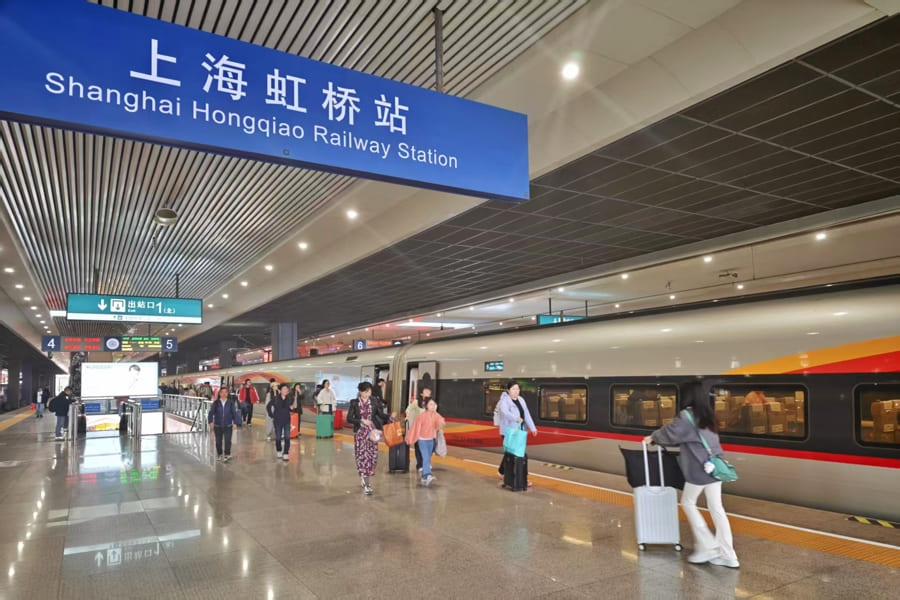 High-speed rail is the backbone of China's intercity mobility system.
T ransportation in China operates as a tightly integrated multi-layer system combining aviation, high-speed rail, metro networks, app‑based ride‑hailing, and bike sharing. Unlike many countries where transport modes are fragmented, China's system is unified through digital payments and real‑time scheduling platforms, making mobility highly efficient — but also dependent on correct app and ticketing setup. This guide covers the most relevant options for foreign travelers.
01 / High‑Speed Rail – Network & Key Routes
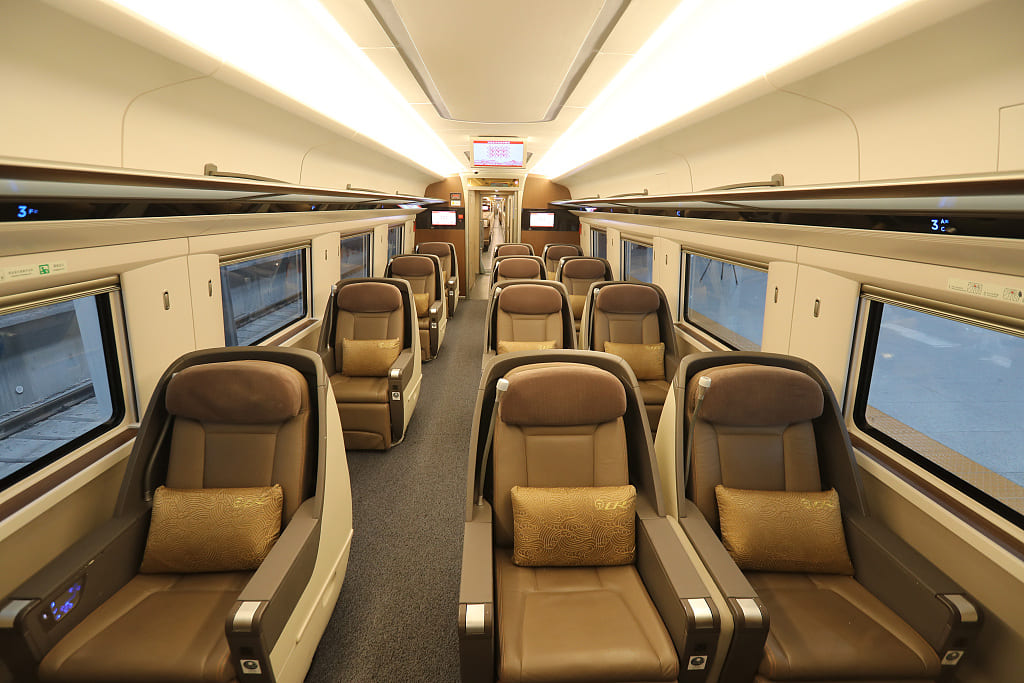 China's high‑speed rail interior – spacious and comfortable.
China operates the world's largest HSR network, connecting most major cities at speeds of 250–350 km/h. For distances up to 1,200 km, trains are often faster than flying when you factor in airport transfer and security time.
Popular High‑Speed Rail Routes (Time & Fare Reference)
| Route | Distance | Fastest Time | Fare (RMB / USD approx) |
|---|---|---|---|
| Beijing ↔ Shanghai | 1,300 km | 4.5–5.5 h | ¥553–662 / $77–92 |
| Beijing ↔ Xi'an | 1,100 km | 4.5 h | ¥500–550 / $70–77 |
| Beijing ↔ Wuhan | 1,200 km | 5.5 h | ¥520–620 / $73–87 |
| Beijing ↔ Tianjin | 150 km | 30 min | ¥50–60 / $7–9 |
| Shanghai ↔ Hangzhou | 200 km | 1 h | ¥70–80 / $10–11 |
| Shanghai ↔ Nanjing | 300 km | 1.5 h | ¥160–195 / $22–27 |
| Shanghai ↔ Huangshan | 500 km | 2.5–3 h | ¥220–230 / $31–32 |
| Hangzhou ↔ Huangshan | 260 km | 1.5 h | ¥110–120 / $15–17 |
| Guangzhou ↔ Shenzhen | 140 km | 50 min | ¥70–75 / $10–11 |
| Guangzhou ↔ Hong Kong West Kowloon | 140 km | 1 h | ¥215 / $30 |
| Chengdu ↔ Chongqing | 300 km | 1 h 15 min | ¥160–170 / $22–24 |
| Chengdu ↔ Xi'an | 700 km | 3.5 h | ¥260–320 / $36–45 |
| Xi'an ↔ Chengdu | 700 km | 3.5 h | ¥260–320 / $36–45 |
| Shenzhen ↔ Guangzhou | 140 km | 50 min | ¥70–75 / $10–11 |
| Hong Kong ↔ Beijing | 2,400 km | 8.5–9 h | ¥1,000–1,200 / $140–168 |
* Fares are dynamic and depend on booking time, train type (G/D/C), and season. Beijing–Shanghai prices reflect recent flexible pricing (as of 2026). USD conversion is approximate (1 USD ≈ 7.2 RMB). Check current exchange rate before travel.
02 / Ticketing – 12306 vs Trip.com
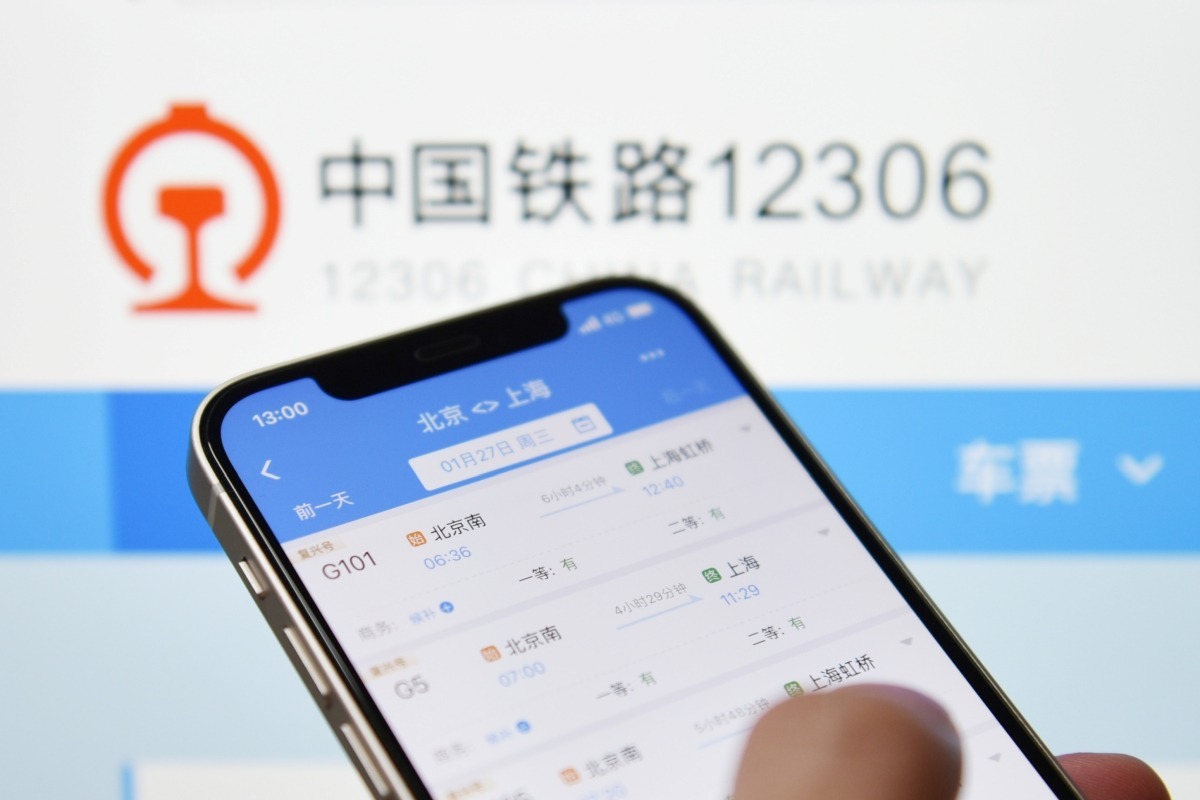
Option 1: Trip.com (Recommended for short trips)
English interface, accepts international credit cards instantly, and automatically handles passport verification. Each ticket incurs a small service fee (approx ¥10–30 / $1.5–4). Perfect for first‑time visitors or quick bookings.
Option 2: 12306 (Official railway platform)
No service fees, but registration requires a Chinese phone number and identity verification that can take several days. Interface is mainly Chinese. Best for long‑term residents or frequent travelers. Registration tip: Select "Passport" as ID type, enter your full name (surname first, then given name), passport number, and nationality. After submission, verification may take a few hours to several days. Consider using Trip.com if you are short on time.
03 / Metro Systems – City Underground
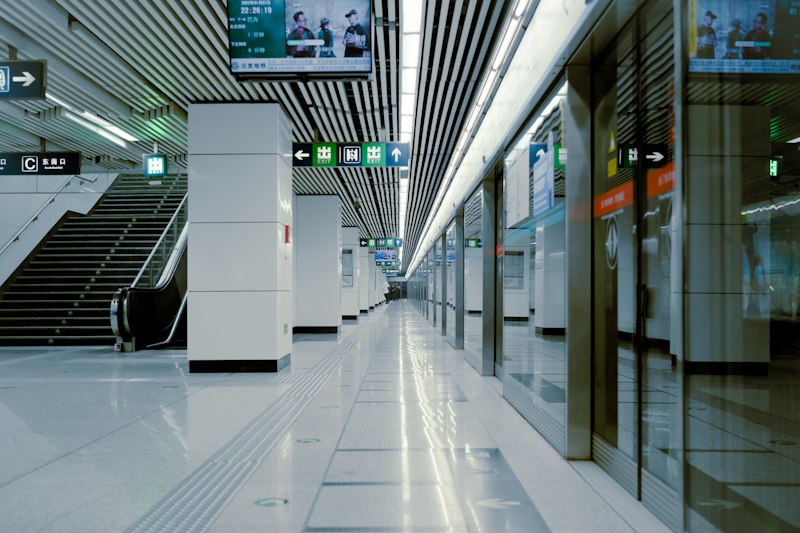 Major Chinese cities have modern, English‑signed metro systems.
Most first‑tier and second‑tier cities have extensive metro networks with English signage and announcements. Stations are clean, safe, and efficient.
Key City Metro Overview
- Shanghai – 20 lines, 500+ stations, covers entire city including airports and main rail terminals.
- Beijing – 27 lines, extensive coverage including both airports and major attractions (Forbidden City, Summer Palace).
- Guangzhou / Shenzhen – dense networks connecting the Pearl River Delta. Hong Kong–Mainland cross‑border metro connections at Lo Wu and Lok Ma Chau.
- Chengdu, Hangzhou, Xi'an, Chongqing, Nanjing, Wuhan – rapidly expanding systems with very tourist‑friendly routes to key sights.
Payment – QR Code via Alipay / WeChat Pay
Physical tickets are still available (typically ¥3–¥6 / $0.5–$1 per ride), but the easiest method is to use the QR code in Alipay or WeChat Pay. Open the app → tap "Transport" or "Metro Code" → scan at the gate. Both apps support most major Chinese metro systems.
04 / Ride‑Hailing – DiDi Is the Standard
 DiDi – fixed fares, no haggling, integrated into WeChat.
Do not hail street taxis at airports or train stations – unlicensed vehicles are common and frequently overcharge. Use DiDi International (or the DiDi mini‑program inside WeChat). Fares are shown upfront, and payment is automatically deducted from your linked credit card. Typical DiDi ride within a city: ¥20–¥50 ($3–7).
Setup & Usage
- Download DiDi International before arrival – register with your phone number and link a credit card.
- Enter destinations in Chinese characters (copy from your hotel booking or Amap).
- Drivers may call you; use the app's built‑in translation or show them the destination on your phone.
- Street taxis are often 2–3× more expensive and may refuse foreign cards.
05 / Bike Sharing – Last‑Mile Hero
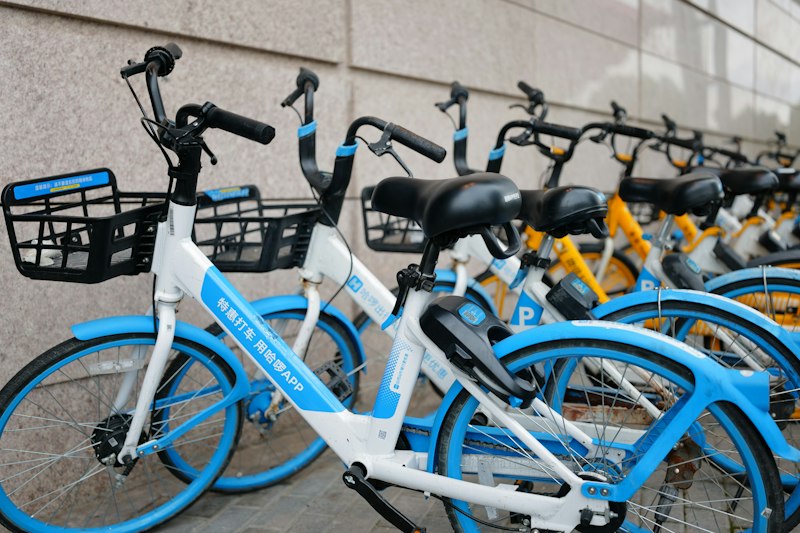 QR‑based bike sharing – cheap and ubiquitous.
Shared bicycles are available on almost every street corner in major cities. You do not need a separate app. Use the mini‑programs inside Alipay or WeChat:
- Hellobike (哈啰单车) – largest fleet, works via Alipay mini‑program
- Meituan Bike (美团单车) – integrated into Meituan, also available via WeChat
Pricing: ¥1–2 per 30 minutes (≈ $0.15–0.30). To ride: scan the QR code on the bike → unlock → ride → park in a designated zone → app auto‑charges. Always return bikes to marked areas; otherwise, a fee applies.
06 / Navigation – What Works (and What Doesn't)

Google Maps does not work reliably in China – even with a VPN, live traffic and routing data are often incorrect. Use these alternatives:
- Amap (高德地图) – most accurate for driving, walking, and public transit. Has an English interface (Settings → General → Language). Download offline maps before arrival.
- Baidu Maps (百度地图) – excellent POI coverage for restaurants, shops, and smaller cities. Interface is mostly Chinese, but navigation works with copied addresses.
- Apple Maps – in China, Apple Maps uses Amap data. It works decently for basic navigation and retains English labels.
Pro tip: Always search using the Chinese address (not English). Copy the address from your hotel booking confirmation or Amap.
07 / Domestic Flights – When Rail Is Not Enough
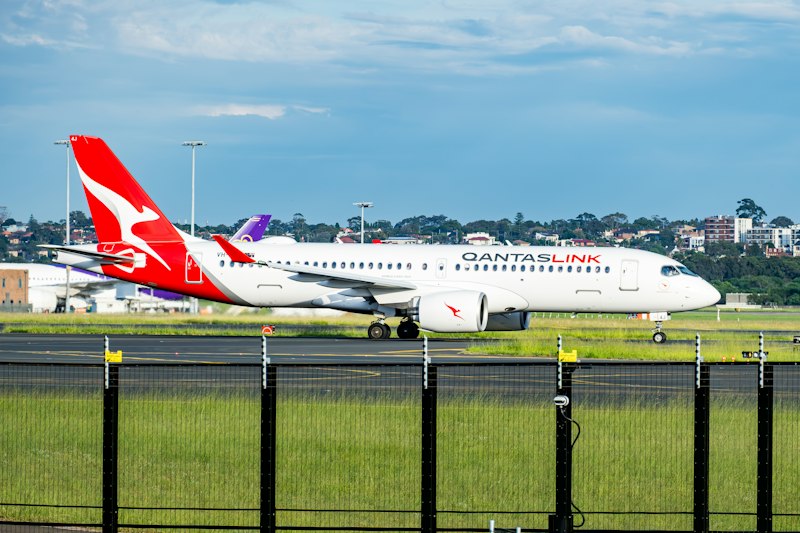 Domestic flights for long distances.
For distances over 1,500 km (e.g., Beijing to Guangzhou, Shanghai to Chengdu), flying is faster than rail. Major airlines include China Southern, China Eastern, Air China, and Hainan Airlines – all have English‑language booking websites and apps.
Booking & Check‑In
- Book via Trip.com (international cards, English support) or directly on the airline's app.
- Use the airline's app for online check‑in and to obtain a mobile boarding pass.
- At the airport, passport is required for check‑in and security – no alternative ID accepted.
08 / Pre‑Departure Transportation Checklist
🎒 VoyRay Pro Tip
Combine metro + high‑speed rail for intercity travel. For example, take the metro to Shanghai Hongqiao station, then catch a train to Hangzhou (1 hour). Avoid relying on domestic flights for routes under 800 km – train stations are closer to city centers and have simpler security. Always carry your physical passport – no photos or photocopies accepted at ticket gates or police checks.