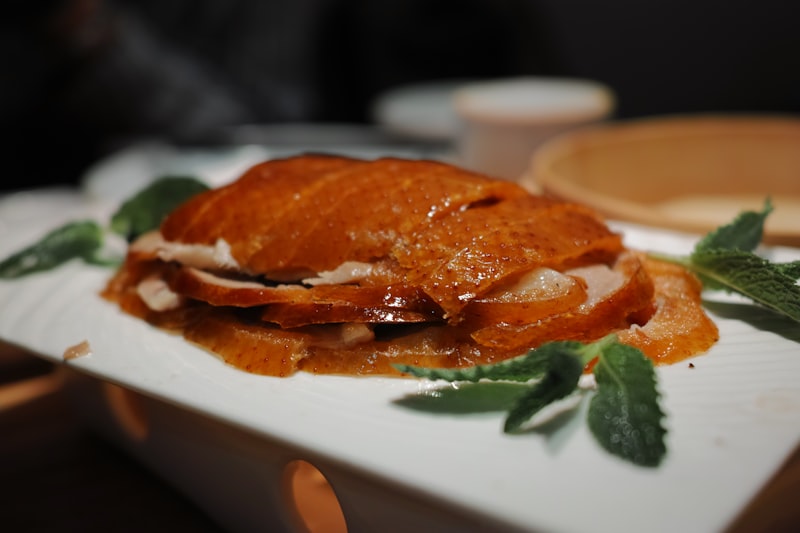
💳 China Payment Guide – Everything you need for paying in China: Alipay, WeChat Pay, e‑CNY, cash, and essential setup tips. All setup must be completed before departure – linking cards and verification may fail once you land.
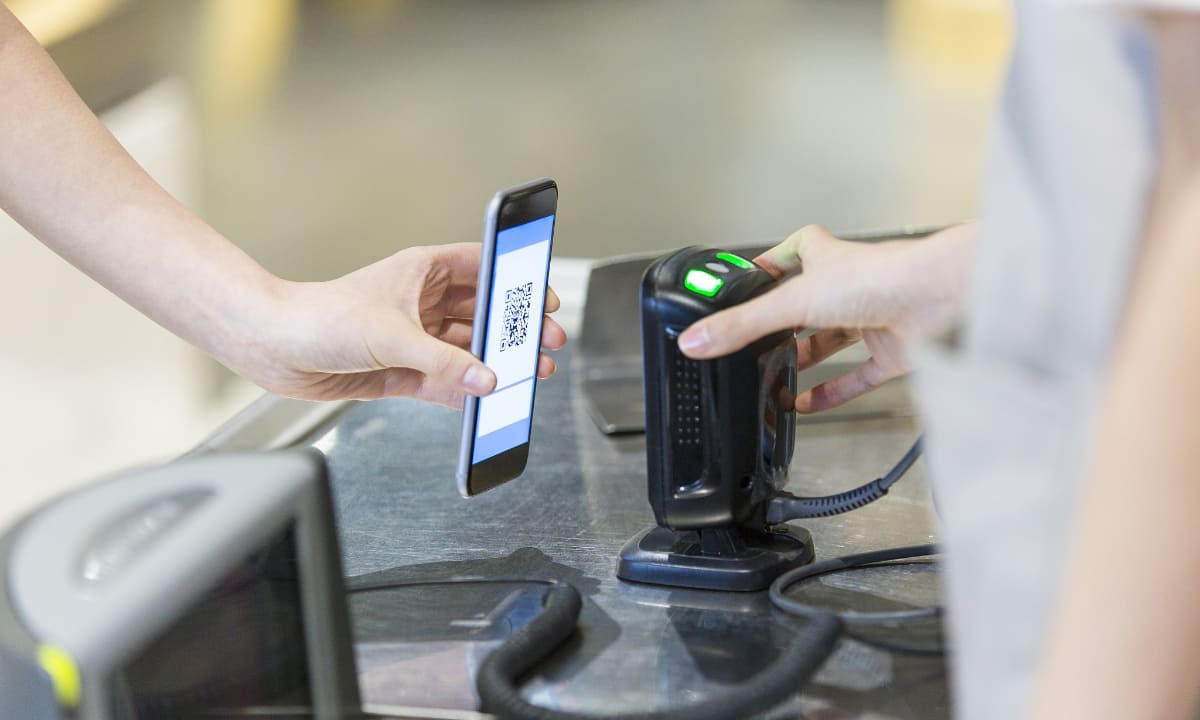 QR-based payment is the default financial layer in China.
P ayment in China is fundamentally QR-driven. Unlike card-centric systems in many countries, China operates on a mobile-first financial infrastructure where QR codes replace cash registers, card terminals, and even traditional POS workflows. In recent years, the environment for foreign travelers has improved significantly — you can now link international cards directly to Alipay and WeChat Pay, use the e‑CNY digital wallet, and even fall back on cash thanks to new regulations. Without proper setup, even basic transactions can become blocked.
⚡ Must‑Read – Set Up Before You Board
SMS verification codes are often delayed after landing due to roaming handover. Link your cards and complete passport verification while still at home. A 15‑minute setup now saves hours of frustration later.
01 / Core Payment Apps – Alipay & WeChat Pay
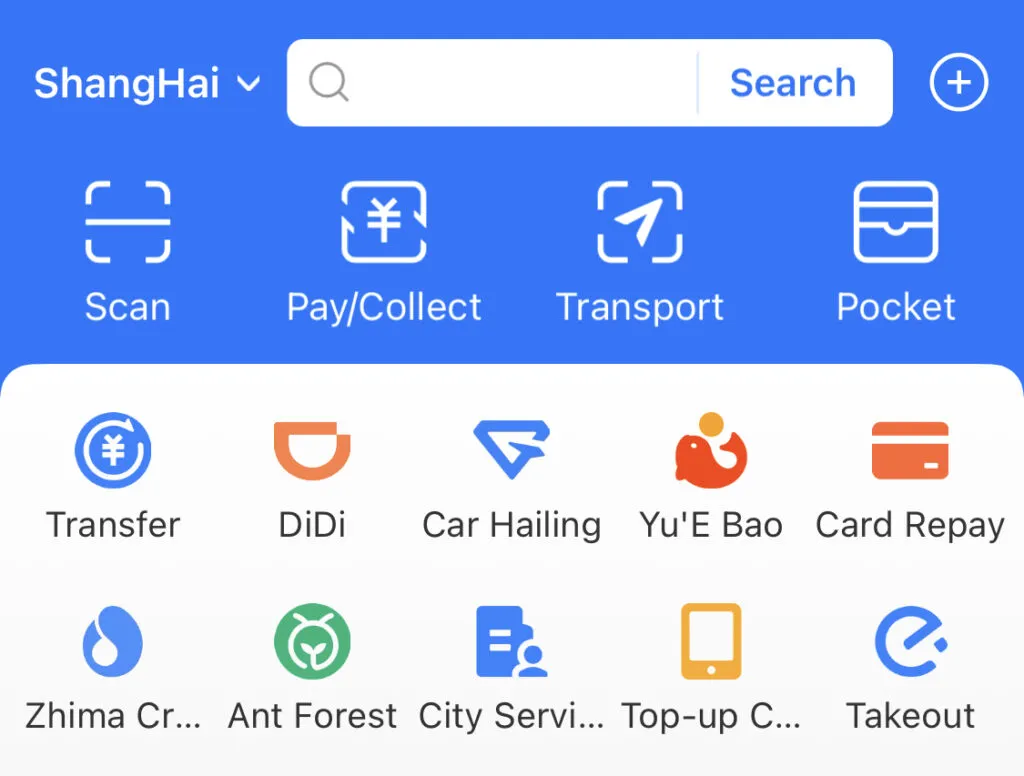 Alipay and WeChat Pay dominate consumer transactions.
Alipay (支付宝) – Most Foreigner‑Friendly
Alipay is the easiest option for foreign travelers. It has a dedicated International Version with an English‑language interface and reliably supports Visa, Mastercard, JCB, and American Express. Download the app, register with your home phone number, link your card, and complete passport verification — all from your home country.
WeChat Pay (微信支付) – Everywhere, But Less Reliable
WeChat Pay is accepted by even the smallest street vendors, but it is less reliable for foreign users. Payments may fail without clear reason, and not all merchants accept foreign‑linked WeChat Pay. Always keep Alipay as your primary backup. To set it up: Open WeChat → Me → Services → Wallet → Add Card → complete passport verification. Support varies by city — major hubs work well, but smaller vendors may decline foreign‑linked cards.
02 / Fees, Transaction Limits & Verification Levels
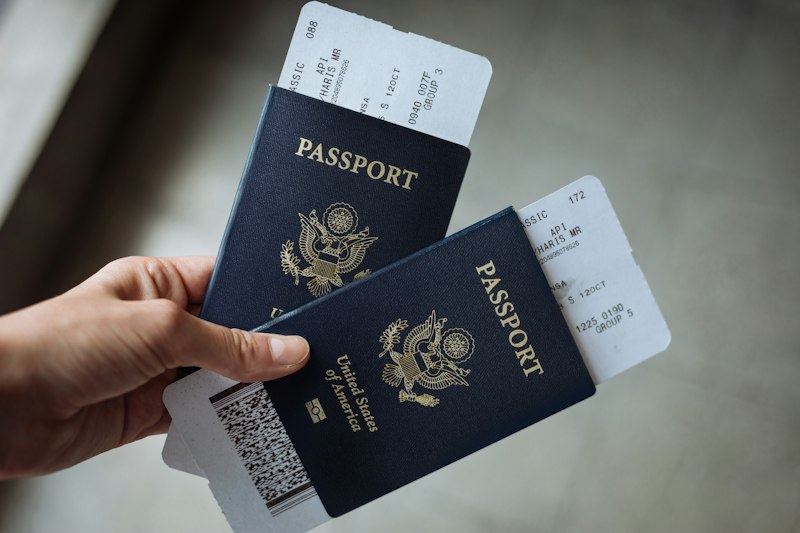 Passport verification unlocks higher limits.
Fee Structure (Current)
• Under ¥200 (≈$28): No transaction fee
• Over ¥200: 3% transaction fee
• WeChat Pay special offer (ongoing): First‑time international card users receive 90 days of fee waivers on transactions up to ¥1,000 per day. All users continue to enjoy fee‑free payments under ¥200.
Transaction Limits
Without passport verification: Single transaction ≈$500 USD; annual ≈$2,000 USD.
With passport verification (recommended): Single transaction up to $5,000 USD; annual up to $50,000 USD.
Following recent policy updates, verified users can now spend up to ¥35,000 per single transaction and ¥50,000–¥500,000 annually — a major increase from previous limits.
Complete verification before you leave: Open Alipay → Account → Identity Verification → upload passport photo + face scan. Takes 3–5 minutes. Without it, you will hit the low ¥500/USD limit within a day or two.
03 / e‑CNY (Digital Yuan) – The Fee‑Free Alternative
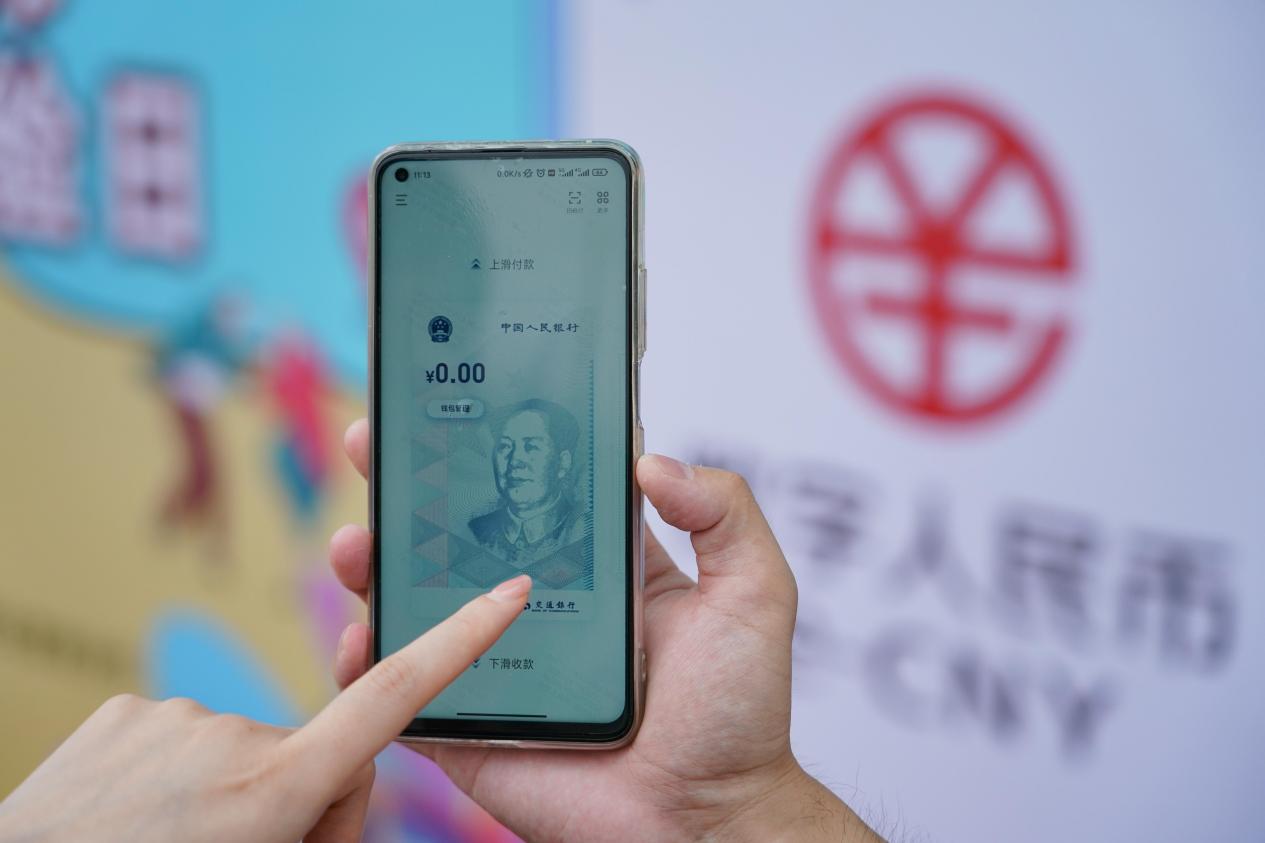 e‑CNY digital yuan wallet – China’s official CBDC.
e‑CNY (Digital Yuan) is China‘s official central bank digital currency. For foreign visitors, it offers zero transaction fees — even for high‑value purchases where Alipay/WeChat would charge 3%.
Key Features for Travelers
- Anonymous wallets: Short‑term visitors can use a basic wallet without full identity verification.
- Offline payments: Works via NFC — transactions complete even without internet access.
- No fees: Free to top up and spend, unlike Alipay/WeChat‘s 3% fee on larger purchases.
- Interest‑bearing (recent): Verified e‑CNY wallets now earn a small annual interest on balances.
Setup: Download the e‑CNY app (digital yuan wallet), register with a foreign phone number, and top up via international credit card. Available on both iOS and Android.
04 / Cash & Physical Cards – Your Backup Layer
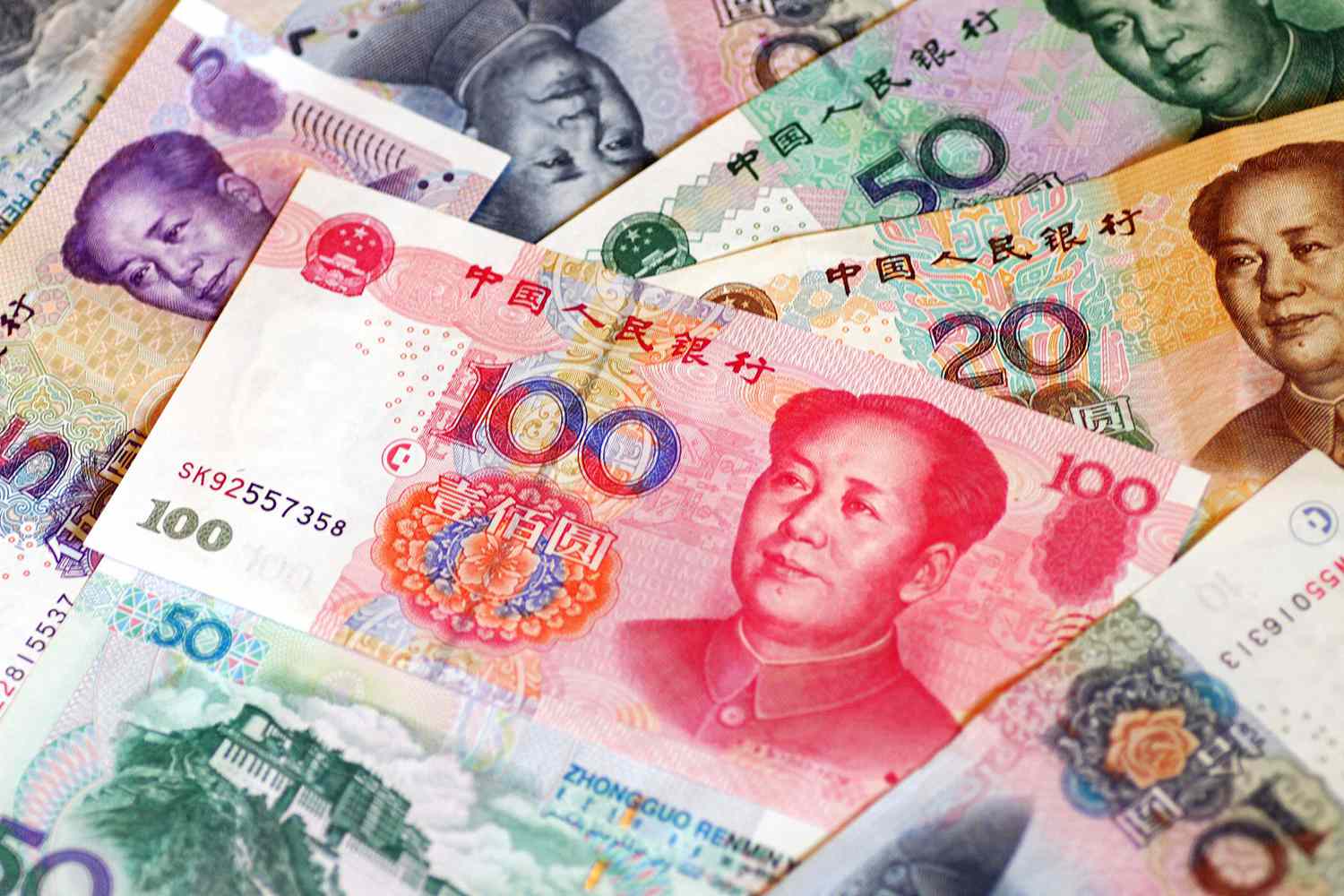 Cash is legally required to be accepted as of recent regulations.
Cash – Legally Protected
Recent national regulations mandate that all physical merchants in China must accept RMB cash. While some vendors may still prefer digital payments, you now have the legal right to pay with cash. Carry ¥500–¥1,000 in small bills for emergencies, remote areas, or moments when your phone battery dies.
Physical Cards – Limited Use
Swiping physical foreign cards directly is rarely accepted outside luxury hotels, international chains, and high‑end department stores. Even in places that accept them, chip‑and‑PIN may not work. Always carry at least one Visa/Mastercard as a last resort, but do not rely on it as your primary payment method.
05 / Real‑World Payment Scenarios
In China, payment is not a checkout step — it is an embedded interaction layer inside every service, from ordering noodles to riding the metro.
QR Scan Workflow (Merchant Displays QR Code)
1. Merchant shows a printed or digital QR code at the counter.
2. Open Alipay or WeChat Pay → tap “Scan”.
3. Enter the amount (if not pre‑filled) or confirm auto‑filled amount.
4. Payment completes instantly — receipt optional.
Reverse QR Model (You Display QR Code)
In larger chains and supermarkets: open your payment app → tap “Pay” or “Show QR Code” → merchant scans your code. No need to enter amounts.
What You Can Pay For
- Street food and local restaurants — QR code on the wall or table.
- Supermarkets, convenience stores, pharmacies — both scan and reverse‑scan work.
- Metro — generate a “Transport Code” in Alipay/WeChat, scan at turnstile.
- High‑speed trains — book via Trip.com or 12306, pay with Alipay/WeChat.
- DiDi rides — payment auto‑deducts from linked card.
- Museums and attractions — many require advance booking and online payment via mini‑programs.
06 / Pre‑Departure Payment Checklist
07 / Policy Background – What‘s Driving Recent Changes
📋 In early 2026, multiple Chinese government agencies jointly issued new guidelines to improve digital service convenience for inbound foreign visitors. The plan includes simplifying telecom onboarding, supporting more overseas e‑wallets, and expanding deposit‑free policies on digital platforms. Phase one targets near‑term implementation; full international alignment is set for the coming years.
🎒 VoyRay Pro Tip
Keep both Alipay and WeChat Pay active on your phone. While Alipay is more reliable for foreigners, some merchants (especially smaller ones) may only accept WeChat. If one fails, switch to the other. And always carry ¥200–¥400 in cash — even with the new regulations, not every street vendor has change for large bills.