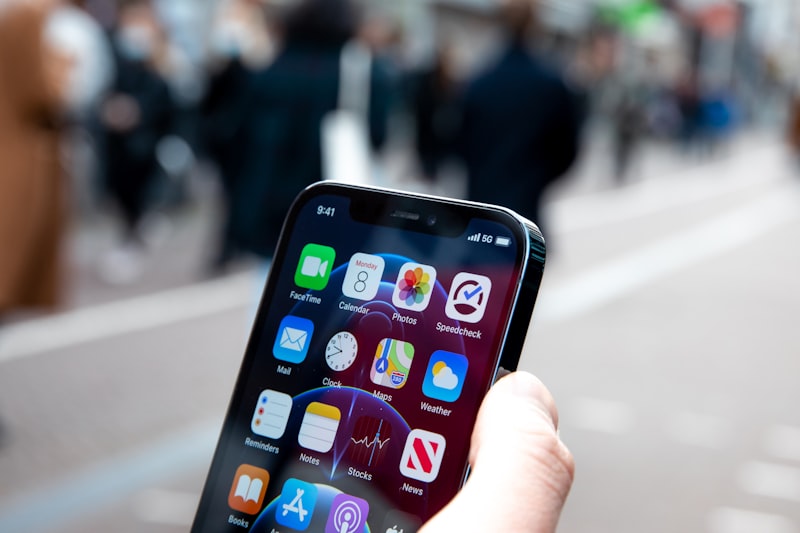
📶 China eSIM / Internet Guide – Everything you need to stay connected in China, including eSIMs, local SIM cards, international roaming, internet restrictions, airport Wi-Fi, and practical setup advice before departure.
Quick Answer
For most visitors staying in China for less than 30 days, an international eSIM is usually the easiest and most convenient option.
- ✅ Install before departure
- ✅ Works immediately after landing
- ✅ No passport registration required
- ✅ Often provides easier access to international services
- ✅ Ideal for short-term travelers
- ✅ Avoids airport SIM card queues
 Mobile connectivity layer for China travel ecosystem.
I nternet access in China is not just a utility—it is a controlled infrastructure layer shaped by local telecom rules, international routing constraints, and platform-specific limitations. Unlike most destinations where roaming simply works, China requires deliberate planning across eSIM selection, local carrier choices, app preparation, and connectivity strategy.
The most important distinction for travelers is understanding the difference between international connectivity and local Chinese connectivity. International eSIMs and roaming plans often route traffic through overseas gateways, while local Chinese SIM cards route traffic through domestic networks. This single decision affects everything from app availability to travel convenience.
01 / eSIM vs Physical SIM Reality
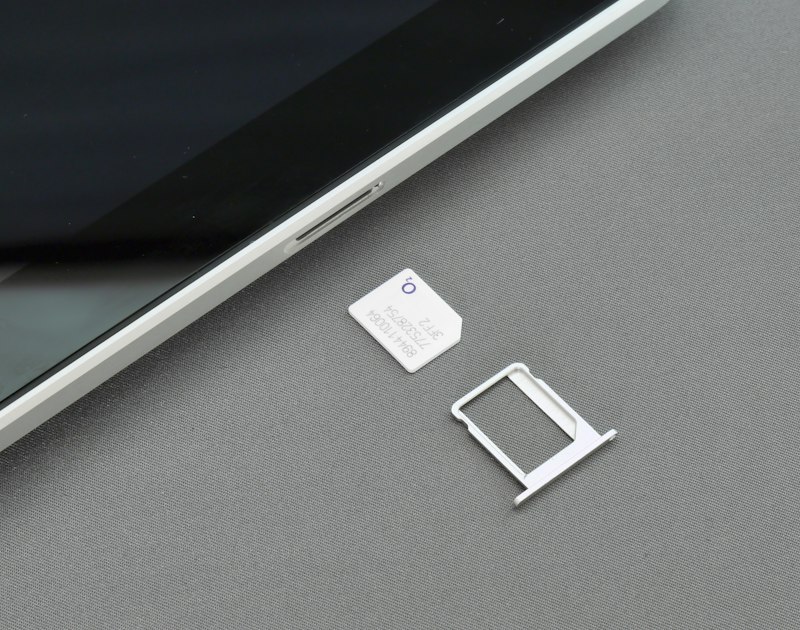 Physical SIM and embedded eSIM provisioning.
Physical SIM (Local China SIM)
Local SIM cards remain the most affordable option for long-term visitors. They provide stable domestic connectivity, a local +86 phone number, and easier access to SMS-based verification systems used by many Chinese services. Registration requires a passport and identity verification.
International eSIM
International eSIM providers such as Airalo, Holafly, Nomad, Saily, and MobiMatter allow travelers to activate data plans before departure. Most travelers can simply scan a QR code, complete installation at home, and have connectivity immediately after landing.
Which One Is Better?
For trips under two weeks, international eSIMs are usually the most convenient option. For students, remote workers, or visitors staying for several months, a local Chinese SIM card often offers better long-term value.
02 / Major Chinese Mobile Carriers
 China's three major mobile network operators.
China's mobile market is dominated by three national carriers. All three offer tourist-friendly plans, although availability and pricing vary by city.
China Mobile
The largest carrier in China, known for extensive nationwide coverage. Particularly useful for travelers visiting smaller cities or remote regions.
China Unicom
Popular among foreign visitors and widely available in major tourist destinations. Often considered one of the easiest carriers for international travelers.
China Telecom
Offers competitive plans and strong coverage in urban areas. A practical choice for travelers spending most of their time in large cities.
03 / Can You Use Google, WhatsApp & Instagram in China?
This is one of the most common questions asked by first-time visitors to China.
Availability of international services depends heavily on how your internet connection is routed. Different connectivity methods can provide different experiences.
| Service | Typical Availability | Notes |
|---|---|---|
| Google Search | ⚠️ Limited | Depends on connection routing |
| Gmail | ⚠️ Limited | Depends on connection routing |
| ⚠️ Limited | Depends on connection routing | |
| ⚠️ Limited | Depends on connection routing | |
| YouTube | ⚠️ Limited | Depends on connection routing |
| ✅ Available | Essential travel app |
Travelers who rely heavily on Google services, WhatsApp, Instagram, or international productivity tools should carefully evaluate their connectivity strategy before departure rather than after arriving in China.
04 / International Roaming – The Simplest Option
 International roaming keeps your home number active.
International roaming remains one of the easiest ways to stay connected in China. Instead of changing SIM cards or installing an eSIM, your phone continues using your existing carrier while connected to partner networks inside China.
The primary advantage is simplicity. Your regular phone number remains active, SMS verification codes continue arriving normally, and no additional registration is required after landing.
| Carrier | Typical Plan | Approximate Cost |
|---|---|---|
| AT&T | International Day Pass | Around $12/day |
| Verizon | TravelPass | Around $12/day |
| T-Mobile | International Pass | Varies by package |
| Google Fi | International Coverage | Monthly plan pricing |
For travelers staying less than a week, roaming is often the most effortless solution. For longer trips, international eSIMs usually provide better value.
05 / VPN Reality & Connectivity Strategy
 Connectivity methods affect access to international services.
Many travelers immediately ask which VPN works best in China. The reality is that performance can vary significantly depending on location, network conditions, protocol updates, and provider infrastructure.
A More Reliable Approach
Rather than depending on a single VPN application, experienced travelers often build redundancy into their connectivity setup. This may include a combination of international eSIMs, roaming plans, offline resources, and backup communication methods.
Connectivity should be treated like travel insurance. A backup option is rarely needed, but when something fails, it becomes extremely valuable.
Recommended Preparation
- Install required apps before departure.
- Keep backup login methods available.
- Download offline maps.
- Save hotel information locally.
- Do not rely exclusively on cloud storage.
06 / Airport Wi-Fi & The First-Hour Trap
The first hour after landing is when most connectivity problems occur.
Many travelers arrive expecting to immediately access booking confirmations, ride-hailing apps, maps, and messaging services. However, airport Wi-Fi systems may require additional verification steps, and roaming services sometimes take time to initialize.
Common Problems
- Cannot access hotel booking confirmations.
- Unable to receive verification codes.
- Maps fail to load.
- Ride-hailing apps cannot authenticate.
- Airport Wi-Fi requires additional registration.
Best First-Hour Strategy
The safest approach is arriving with connectivity already prepared. Install your eSIM before departure, save all important QR codes as screenshots, and keep hotel addresses stored both in English and Chinese.
07 / International eSIM Provider Comparison
 eSIM providers vary in pricing, data allowances, and convenience.
International eSIM providers continue to improve rapidly. While pricing changes frequently, the following options are commonly used by travelers visiting China.
| Provider | Best For | Typical Positioning |
|---|---|---|
| Airalo | Budget Travelers | Popular entry-level option |
| Holafly | Heavy Data Users | Often marketed around unlimited data |
| Nomad | Flexible Plans | Good regional options |
| Saily | Privacy-Oriented Users | Newer provider |
| MobiMatter | Value Seekers | Marketplace-style pricing |
How Much Data Do You Need?
| Travel Style | Recommended Data |
|---|---|
| Light Usage | 3–5 GB |
| Typical Tourist | 10 GB |
| Heavy Social Media Use | 20+ GB |
| Remote Work | Unlimited Preferred |
08 / Which Option Should You Choose?
There is no single best connectivity solution for every traveler. The right choice depends on trip length, budget, technical comfort level, and how heavily you rely on international services.
| Traveler Type | Recommended Option | Why |
|---|---|---|
| First-Time Visitor | International eSIM | Easy setup before departure |
| One-Week Vacation | eSIM or Roaming | Convenience outweighs cost |
| Business Traveler | Premium eSIM or Roaming | Reliable access from arrival |
| Digital Nomad | Local SIM + Backup Option | Better long-term value |
| Student / Long Stay | Local Chinese SIM | Lowest long-term cost |
Recommended for Most Travelers
If you are visiting China for less than 30 days, install an international eSIM before departure and keep your home SIM active for SMS verification. This is usually the simplest and least stressful solution.
09 / Offline Preparation Checklist
Frequently Asked Questions
Can I buy a SIM card after landing?
Yes. Most international airports in China have carrier counters in the arrival hall. Passport registration is required.
Is an eSIM better than a local SIM card?
For short trips, an eSIM is generally more convenient. For long stays, local SIM cards usually provide better value.
How much mobile data do tourists usually need?
Most travelers use between 5 GB and 10 GB during a one-week trip. Heavy video usage and remote work require substantially more.
Can I rely on airport Wi-Fi?
Airport Wi-Fi should be considered a backup option rather than your primary connectivity strategy.
Should I prepare everything before departure?
Absolutely. Installing apps, setting up payments, downloading maps, and configuring connectivity before departure significantly reduces travel friction.
🎒 VoyRay Pro Tip
Your smartphone is effectively your map, wallet, translator, booking manager, and communication tool while traveling in China. A few minutes of preparation before departure can save hours of frustration after arrival. Install everything early, download everything important, and always keep a backup connectivity option available.