📄 China Entry Requirements This document covers all mandatory immigration procedures for entering mainland China: passport validity and damage rules, COVA 2.0 visa application (including biometric waiver for short‑stay visas), visa‑type documentation (L, M, F, Z, Q, S, X, and TWOV), the 240‑hour Transit Without Visa (TWOV) policy, digital e‑Arrival Card and e‑Channel clearance, 24‑hour residence registration with corrected penalty, and visa‑free entry for eligible nationalities (unilateral and reciprocal).
📅 Timeliness Notice: This guide reflects China's immigration policies as of the latest updates. Recent major changes include the 240‑hour TWOV (replacing 72/144‑hour), online e‑Arrival Card, biometric waiver for short‑stay visas, reduced visa fees, and expanded visa‑free access. Always verify via the National Immigration Administration (NIA) official website (nia.gov.cn) or the "移民局12367" App/mini‑program before travel.
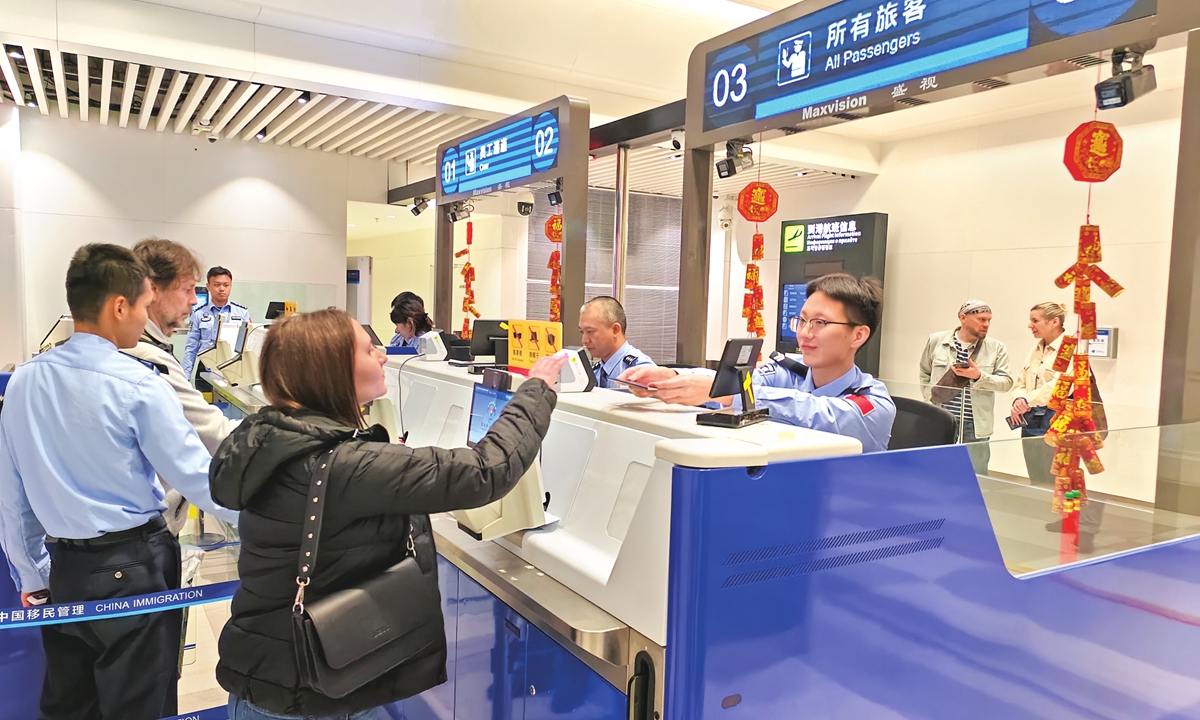
Entering mainland China is an exercise in regulatory precision. Unlike destinations where you can "wing it" with a passport and a return ticket, China’s immigration framework relies on meticulous pre‑clearance, strict biometric validation, and non‑negotiable local tracking. A single administrative oversight can result in immediate boarding denial or turn‑back at the border. This guide breaks down the exact operational parameters you need to meet to guarantee a seamless entry – updated with the latest facilitation policies.
01 / Passport Validity & Damaged Traps

Your passport is your first point of friction. Before booking any non‑refundable flights, verify these non‑negotiable requirements:
Requirement A: The 6‑Month Hard Rule
Your passport must be valid for at least 6 months beyond your planned date of departure from China.
Requirement B: Blank Visa Pages
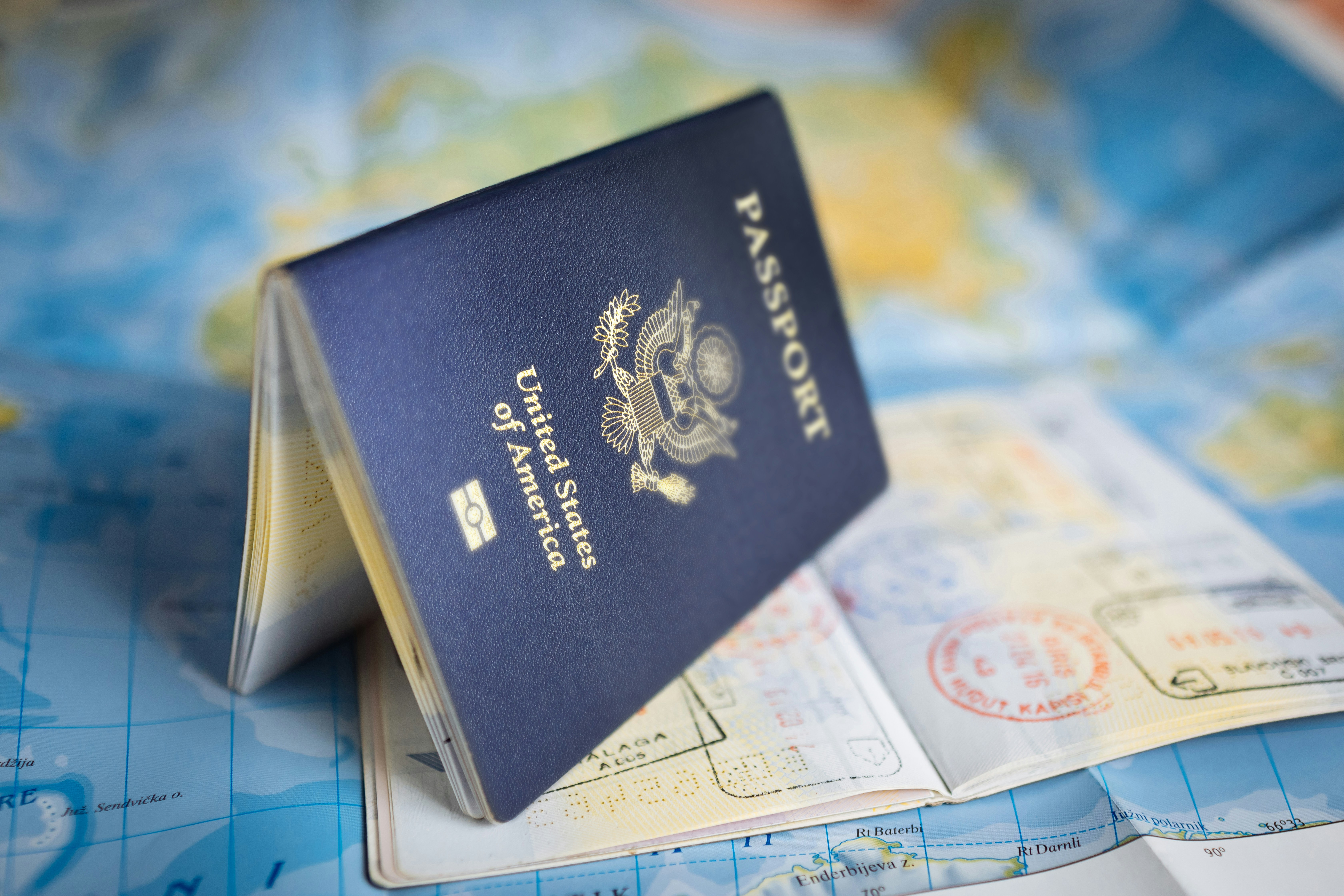
Immigration officers require at least one entirely blank visa page for the entry stamp. For safety (visa issuance may require two facing pages), we recommend keeping two blank facing pages to avoid any risk.
02 / COVA 2.0 Application & Biometrics (New Waiver)
Unless your country qualifies for China's visa‑free policies (see Section 7), you must clear the digital pre‑clearance infrastructure. The system has been upgraded to COVA 2.0, allowing self‑corrections before final submission.
Chronological Continuity: The COVA form requires your complete history since high school. Zero chronological gaps are allowed. COVA 2.0 lets you amend the form before final approval, but gaps still trigger rejection.
The Photo Lockout: Do NOT wear a white shirt, glasses, or jewelry in your digital photo. The system's AI will instantly reject images where clothing blends into the white background.
Biometric Waiver (Major Change): Currently, all applicants for short‑stay visas (≤180 days) are EXEMPT from fingerprinting. Exceptions: D, J1, Q1, S1, X1, Z visas (those requiring a residence permit after entry) still require in‑person fingerprinting at a Visa Center.
03 / Document Checklist by Visa Status (Expanded)
When queuing at the immigration desk, you must instantly produce printed or offline digital proofs matching your exact entry status:
| Visa Type | Mandatory Documentation | The Critical Operational Catch |
|---|---|---|
| L‑Visa | Confirmed flights & hotel vouchers. | Names must match passport exactly. Accommodation gap days are red flags. |
| M / F Visa | Official Corporate Invitation Letter. | Must display the company's official corporate circular stamp (red "Chopped" seal). |
| Z‑Visa | Foreigner's Work Permit Notice. | Must be converted into a Residence Permit at the PSB within 30 days of arrival. |
| Q1/Q2 (Family) | Family relationship certificate, invitation letter from Chinese citizen/permanent resident. | Q1 requires residence permit conversion within 30 days. Q2 is short‑stay only. |
| S1/S2 (Private) | Proof of relationship, inviter's passport & residence permit. | S1 for stays >180 days; S2 for ≤180 days. |
| X1/X2 (Study) | JW201/JW202 form, admission letter. | X1 → residence permit within 30 days; X2 is short‑term study. |
| TWOV (240‑Hour) | Confirmed onward ticket to a third country/region. | Route must be linear (e.g., UK → China → Japan). Simple return loop violates law. Hong Kong, Macau, Taiwan count as third regions. |
04 / 240‑Hour Transit Without Visa (TWOV) – 10‑Day Policy
The 72‑hour and 144‑hour TWOV policies have been unified and expanded to 240 hours (10 days). This is a game‑changer, but its geographic rules are precise.

🌐 Eligible Countries & Ports
The policy applies to citizens of 55 countries. Entry is allowed through 65 designated ports (including Guangzhou, Zhuhai Hengqin, Zhongshan, Hong Kong‑Zhuhai‑Macau Bridge, and Guangzhou‑Shenzhen‑Hong Kong Express Rail Link West Kowloon Station).
🏃♂️ Activity Area: 24 Provinces (Cross‑Province Travel Permitted)
You can now travel freely across the 24 designated provinces, autonomous regions, and municipalities (Beijing, Tianjin, Hebei, Liaoning, Shanghai, Jiangsu, Zhejiang, Anhui, Fujian, Shandong, Henan, Hubei, Hunan, Guangdong, Guangxi, Hainan, Chongqing, Sichuan, Guizhou, Yunnan, Shaanxi, Gansu, Qinghai, Ningxia). Unlike the old 144‑hour rule, you are NOT restricted to a single city cluster. For example, entering via Shanghai Pudong, you may take a bullet train to Beijing or Xi'an – both are within the 24‑province zone.
05 / Arrival Interface: e‑Arrival Card & e‑Channel
Once you step off the aircraft, follow this exact operational sequence before joining the main border queue – now faster with digital tools.
Step 1: Online e‑Arrival Card (Highly Recommended)
Foreigners can fill out an electronic arrival card via the NIA website, "移民局12367" App, WeChat/Alipay mini‑program, or by scanning QR codes at the airport. Complete it within 24 hours before arrival and save the generated QR code. You will scan this code at the immigration kiosk – much faster than the blue paper card. Paper cards remain available as a backup.
Important: You must enter a complete, explicit street address of your accommodation (e.g., "Hilton Hongqiao, 1116 Hongxu Road, Minhang, Shanghai"). "Hilton Shanghai" alone will be rejected. Visa holders must also enter the red reference number from their visa sticker. Exemptions: permanent residents, non‑Chinese HK/Macau permit holders, group visa/group visa‑free entrants, 24‑hour direct transit passengers, cruise crew, e‑channel users, and transport employees.
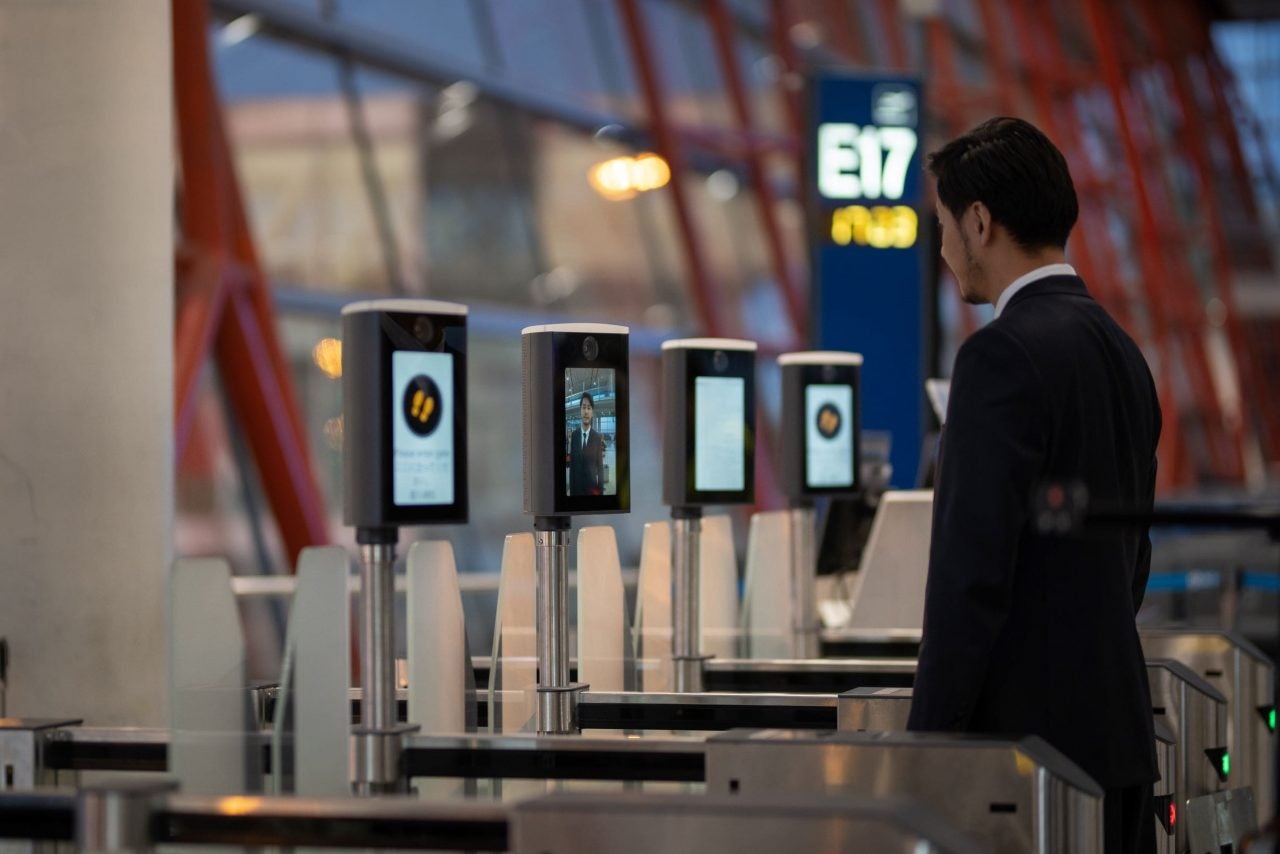
Step 2: Biometric Kiosk & e‑Channel (Fast Lane)
After the e‑arrival card scan, you will use a self‑service kiosk to scan your passport and capture fingerprints. The machine will print a small slip with "OK" – keep it for the officer.
If you have pre‑enrolled at an e‑Channel registration point (available at some city service centers, e.g., Jing'an District in Shanghai), you can skip the manual queue entirely and use the automated e‑Channel for face‑recognition clearance – a "second‑level" entry.
06 / Mandatory 24‑Hour Residence Registration (Corrected Penalty)
Under Chinese law, all foreign nationals must register their physical address within 24 hours of entering the country. The protocol splits into two pathways:

Pathway A: Commercial Hotels
The front desk automatically handles registration by uploading your passport scan to the Public Security Bureau (PSB) network upon check‑in. No action required.
Pathway B: Private Rentals & Staying with Family
You and your landlord must physically walk into the local police station (Hukou office) with the property ownership certificate, your passport, and the lease agreement to obtain a physical "Registration Form of Temporary Residence". Failure to do so results in a warning or a one‑time fine of up to 2,000 RMB (not 500 RMB/day – that penalty applies only to overstaying your visa, not registration lapses).
07 / Visa‑Free Entry: Who Can Skip the Visa?
China has dramatically expanded visa‑free access. Two categories apply:
✅ Unilateral visa‑free (47 countries, mostly European and Asian)
France, Germany, Italy, Netherlands, Spain, Malaysia, Saudi Arabia, Oman, Kuwait, Bahrain, and 37 others. Allowed for tourism, business, family visits, and transit for stays up to 30 days. (Validity periods vary by country; check NIA for latest updates.)
🤝 Reciprocal visa‑free agreements (23 countries)
Thailand, Singapore, Maldives, Kazakhstan, UAE, Qatar, Serbia, Mauritius, and others. Terms vary (typically 30‑90 days).
Note: Visa‑free travelers must still complete the online e‑Arrival card (Section 5) before arrival. They are not exempt from arrival registration.
🎒 VoyRay Pro Tips
1. Offline Documents to Beat Captive Portal: Airport Wi‑Fi often requires an SMS code before granting access. Save every voucher, passport copy, and invitation letter as offline PDFs on your device (Apple Wallet/Files).
2. Payment Preparation: Alipay and WeChat Pay are the primary digital wallets. Link an international card before departure. Keep some cash (RMB) for smaller vendors or rural areas.
3. Visa Fee Reduction: Most Chinese embassies have reduced visa fees. Check your local visa center for exact rates.
This guide is for informational purposes only. Always verify with official NIA channels before travel. Last updated: June 2026.