Longjing Tea Village

Build a trip to Hangzhou
About
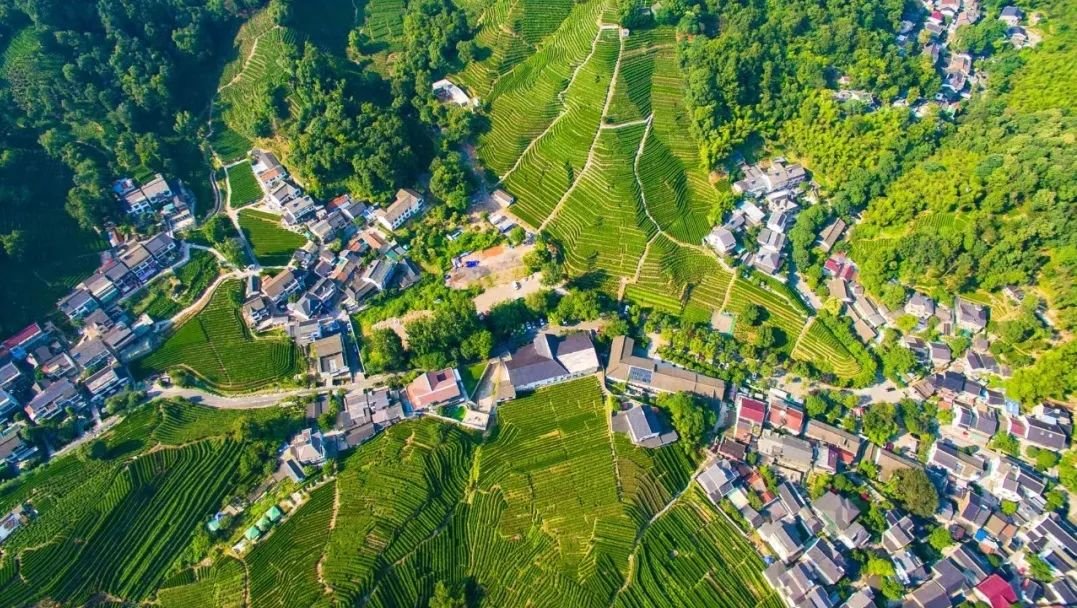
Longjing Tea Village lies in a narrow green valley southwest of West Lake, surrounded by terraced fields that produce the most famous form of West Lake Longjing green tea. Rows of low tea bushes follow the contours of wooded hills, while village houses, stone paths, springs and small temples occupy the valley floor. The local cultivar, misty microclimate and carefully managed soil contribute to the tea’s character, but its distinctive flat shape and roasted aroma depend equally on skilled hand picking and repeated pan-firing in heated woks. Tea production here is interwoven with imperial and literary history. Near Hugong Temple stand eighteen bushes traditionally associated with the Qianlong emperor, whose visits helped establish Longjing as an elite tribute tea. The village landscape records an agricultural system rather than a decorative plantation: family plots, seasonal labor and processing rooms remain central to local identity. Longjing also belongs to Hangzhou’s broader culture of springs, teahouses and hospitality, in which the taste of leaves is discussed alongside water and technique. The valley embodies the full relationship between cultivated land, specialist craft and a globally recognized regional name.
Highlights
- Terraced green tea hills
- Authentic Longjing tea tasting
- Traditional tea farmer houses
- Scenic mountain village hiking
Amenities
Why go
- Visit Longjing Tea Village to experience terraced green tea hills.
- Spend time on authentic longjing tea tasting rather than treating it as a quick photo stop.
- The experience is rounded out by traditional tea farmer houses.
Know before you go
- Allow about 180m on site, excluding transfers and queues.
- Confirm current opening hours, ticket rules, temporary closures, and entry restrictions before departure.
- Carry the local-language name and address for navigation, taxi, or entrance checks.
Tips
- Spring is the preferred season; check weather and seasonal conditions before departure.
- Group the stop with nearby places to reduce backtracking and keep a realistic transfer buffer.
- Carry water, weather protection, and the local-language place name when conditions require them.
Nearby Attractions

China National Tea Museum
A unique national-level museum exploring the rich culture, history, and etiquette of Chinese tea, nestled inside lush plantations.

Feilai Peak
A unique limestone peak adjacent to Lingyin Temple, famed for its caves and over 470 ancient Buddhist rock carvings.

Lingyin Temple
One of China's largest, oldest, and most prominent Buddhist temples, nestled in a serene forest valley.

Nine Creeks Meandering Through Mist
A lush nature trek featuring misty forest streams, walking paths, and beautiful hidden tea terraces.
Reviews
Visited this place? Share your experience and help other travelers.