Xixi National Wetland Park

Build a trip to Hangzhou
About
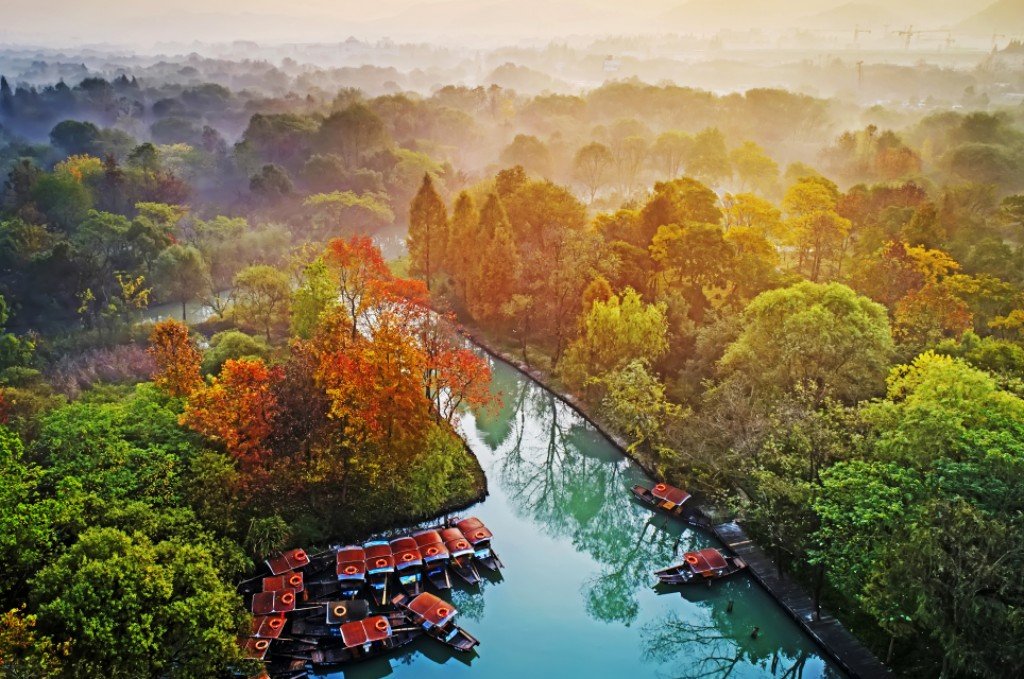
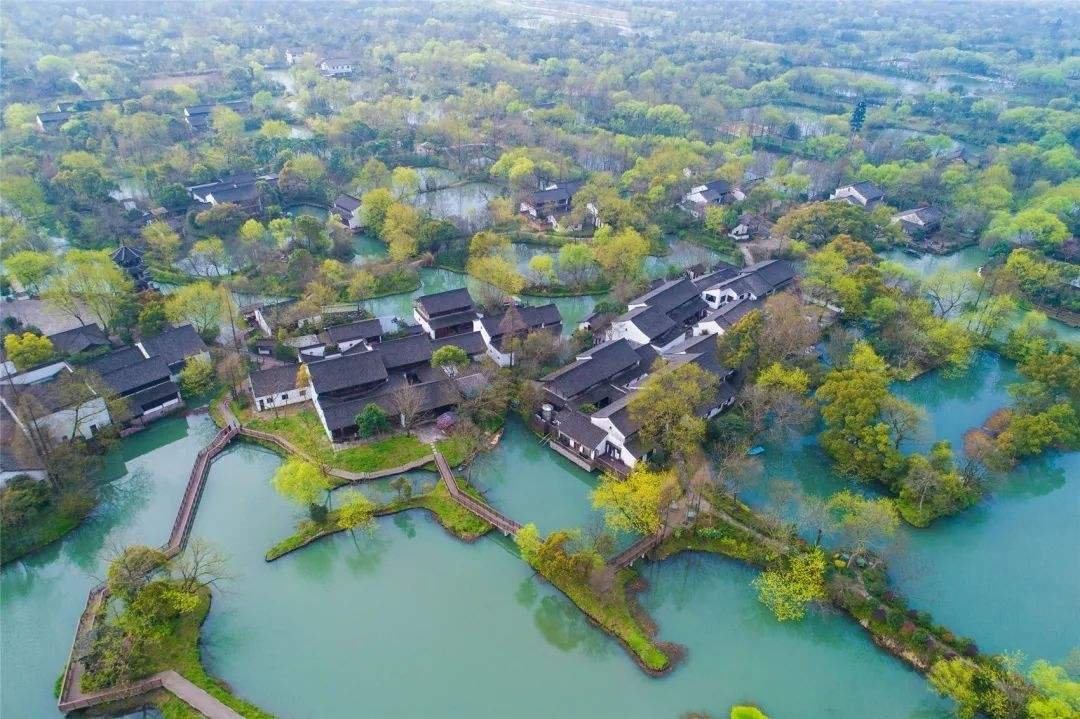
Xixi National Wetland Park protects a rare urban wetland of streams, ponds, reed beds, orchards and low wooded islands west of central Hangzhou. Its dense water network was shaped by both natural processes and centuries of fish farming, agriculture and village settlement, producing a mosaic rather than an untouched wilderness. Narrow channels pass beneath mulberry, willow and persimmon trees, while thatched structures, old bridges and secluded pools preserve the quiet spatial character that inspired the traditional phrase “Xixi, stay here.” The wetland supports birds, aquatic plants and freshwater habitats while also carrying strong cultural associations with scholars, temples, dragon-boat customs and seasonal harvest. Plum blossom, reed flowers and autumn persimmons give different areas distinct annual rhythms. Restoration has sought to balance ecological function with surviving patterns of human use, and interpretive areas reveal how dikes, ponds and waterways sustained local livelihoods. As China’s first national wetland park, Xixi became an influential model for protecting nature within metropolitan expansion. Its value lies precisely in the coexistence of biodiversity, managed water and cultural landscape on Hangzhou’s urban edge.
Highlights
- First national wetland park in China
- Scenic rowing boat tours
- Diverse bird and plant species
- Traditional water village culture
Amenities
Why go
- Visit Xixi National Wetland Park to experience first national wetland park in china.
- Spend time on scenic rowing boat tours rather than treating it as a quick photo stop.
- The experience is rounded out by diverse bird and plant species.
Know before you go
- Allow about 240m on site, excluding transfers and queues.
- Confirm current opening hours, ticket rules, temporary closures, and entry restrictions before departure.
- Carry the local-language name and address for navigation, taxi, or entrance checks.
Tips
- Choose the visit period according to live opening information, weather, and the surrounding route.
- Group the stop with nearby places to reduce backtracking and keep a realistic transfer buffer.
- Carry water, weather protection, and the local-language place name when conditions require them.
Nearby Attractions
Tian Lun
Tian Lun is another heavyweight in the Hangzhou crab-dining scene, often considered more upscale and specialized

Lingyin Temple
One of China's largest, oldest, and most prominent Buddhist temples, nestled in a serene forest valley.

Feilai Peak
A unique limestone peak adjacent to Lingyin Temple, famed for its caves and over 470 ancient Buddhist rock carvings.

Hangzhou Botanical Garden
A massive botanical research sanctuary with lush bamboo groves and thousands of blooming winter plum trees.
Reviews
Visited this place? Share your experience and help other travelers.