Southern Song Imperial Street


Build a trip to Hangzhou
About
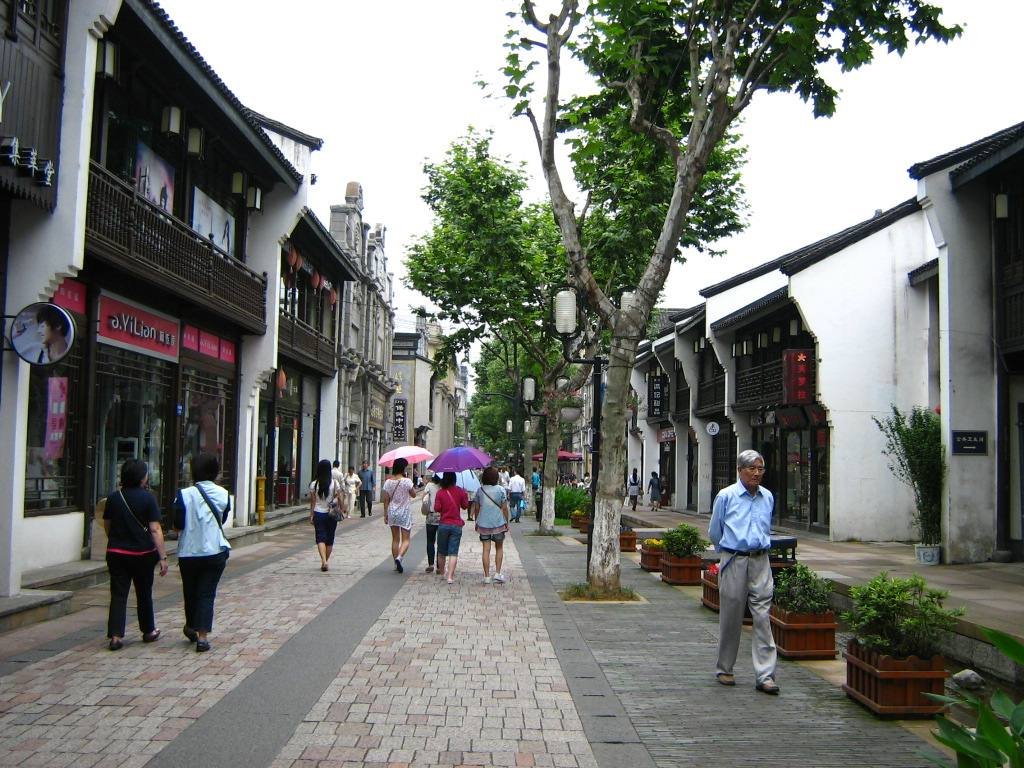
Southern Song Imperial Street follows part of the principal ceremonial avenue of Lin’an, the capital established at Hangzhou after the Song court moved south in the twelfth century. The historic road linked the imperial palace near Phoenix Mountain with administrative and commercial districts to the north, carrying processions through one of the medieval world’s largest cities. Today the street combines excavated traces, reconstructed surfaces, Republican-era shop houses and contemporary interventions, allowing several periods of Hangzhou’s urban history to remain visible together. A modern redesign associated with architect Wang Shu introduced shallow water channels, stone paving and restrained landscape elements that suggest the lost canal system without turning the district into a complete imitation of antiquity. Traditional pharmacies, residences, shops and nearby religious sites reveal the mixed character of the old city beyond imperial ceremony. Compared with the denser spectacle of Hefang Street, the avenue’s identity is architectural and archaeological, defined by long urban perspective and fragments of changing fabric. It presents Hangzhou as a historic capital whose ground plan continues beneath and within a living commercial neighborhood.
Highlights
- Renovated historic walking street
- Mix of Western and Chinese architecture
- Boutique shops and cafes
- Old Hangzhou cultural heritage
Amenities
Why go
- Visit Southern Song Imperial Street to experience renovated historic walking street.
- Spend time on mix of western and chinese architecture rather than treating it as a quick photo stop.
- The experience is rounded out by boutique shops and cafes.
Know before you go
- Allow about 90m on site, excluding transfers and queues.
- Confirm current opening hours, ticket rules, temporary closures, and entry restrictions before departure.
- Carry the local-language name and address for navigation, taxi, or entrance checks.
Tips
- Plan this stop for the evening when its atmosphere is usually strongest.
- Group the stop with nearby places to reduce backtracking and keep a realistic transfer buffer.
- Carry water, weather protection, and the local-language place name when conditions require them.
Nearby Attractions

Qian King Temple
A serene, red-walled lakeside memorial garden dedicated to the historical rulers of the Wuyue Kingdom.
Xin Bai Lu
Xin Bai Lu is a household name in Hangzhou, known for providing high-quality local cuisine at incredibly affordable prices
Zhi Wei Guan
Established in 1913, Zhi Wei Guan's motto is 'the taste of the food will make you stop your carriage to take a bite.' This historic brand is beloved by locals for its authentic Hangzhou snacks and dim sum
Lao Tou Er Fried Shrimp
Named after the 'Old Man' (Lao Tou Er) who started it, this restaurant is a legendary local institution
Reviews
Visited this place? Share your experience and help other travelers.