
13 Best Historic Sites in Huangshan
Historical landmarks and ruins
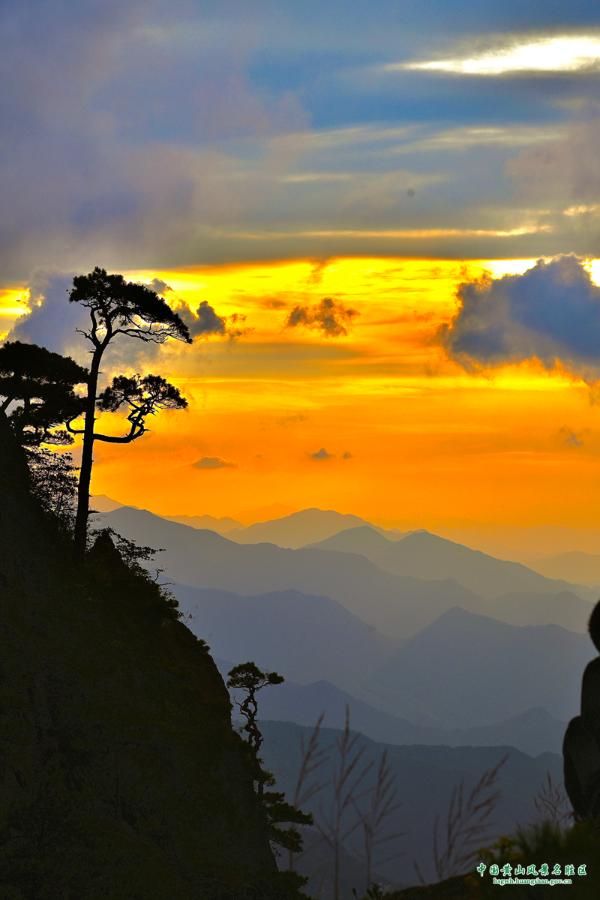
Huangshan Scenic Area is a vast granite mountain landscape of sharp peaks, weather-shaped pines, ravines, cloud seas and cliffside paths that requires at least two days for a representative visit. Major sectors around the front and rear mountains are linked by hiking trails, cableways and internal transport, but elevation changes and transfers remain substantial even when mechanical access is used. Sunrise, sunset and cloud conditions transform the scenery, making an overnight stay on the mountain important rather than optional for travelers seeking the full experience. Routes must be chosen around current opening notices, weather and accommodation, with early starts and conservative pacing essential on long stair sections. Huangshan’s granite landforms were shaped by uplift, fractures and long erosion, producing narrow ridges, isolated pinnacles and deep valleys. Pines root in exposed rock and cloud frequently gathers below the summits, creating the “sea of clouds” celebrated in Chinese painting and literature. Named peaks, hot springs and historic inscriptions connect the mountain’s geology with centuries of artistic, religious and travel culture.
Hongcun is a UNESCO-listed Huizhou village organized around an ingenious water system connecting South Lake, Moon Pond, channels and household courtyards. White-walled residences, ancestral halls, stone bridges and reflections against surrounding hills create the famous composition, but the settlement’s significance lies equally in its clan planning and water management. Heavy daytime tourism can obscure the village’s scale and daily rhythms, especially around the central ponds. Early morning or late afternoon allows a more coherent circuit through major halls and quieter lanes, while visitors should respect private houses and avoid blocking narrow passages for photographs. The village is often described through an ox-shaped plan in which the hills, waterways, Moon Pond and South Lake form an integrated symbolic landscape. Merchant wealth supported elaborate residences and ancestral halls, while the engineered channels distributed water through the settlement. This combination of hydraulic planning and Huizhou architecture explains Hongcun’s international heritage value more fully than its famous reflections alone.
A UNESCO-listed Huizhou village with a dense collection of historic residences and lanes. Its most distinctive elements are UNESCO Huizhou village, Historic clan residences, and Stone lanes and gateways. Allow approximately 3 hours to experience the place at a useful pace, with extra margin for queues, internal transport, or changing weather where relevant. It can anchor a focused part of a Huangshan itinerary when combined with nearby attractions. Because operating rules may change, check current official notices before the visit day.
Tunxi Old Street is a historic commercial corridor in central Huangshan lined with Huizhou-style shop houses, narrow façades and deep interiors. Tea, ink, traditional medicine, food and regional crafts reflect the mercantile identity of the district, although souvenir retail now occupies much of the main street. Daylight makes timber details and side-lane architecture easier to study, while evening brings stronger dining atmosphere and illumination. The street works best as an urban walk linked with nearby riverside and museum areas, with travelers comparing quality carefully rather than assuming that every “traditional” product is locally made. The long commercial street developed around river trade and the distribution of Huizhou products such as tea, ink and medicine. Narrow shopfronts open into deep buildings that combined business, storage and residence, a form well suited to valuable urban land. Surviving façades and side lanes preserve the character of a regional market town even as modern tourism changes many interiors.
Chengkan is a historic Huizhou village whose lanes, waterways, ancestral halls and residences are often interpreted through a traditional bagua-inspired plan. The settlement’s spatial logic becomes clearer when walking its narrow passages slowly, crossing small streams and observing how courtyards, fire walls and public buildings fit into the surrounding fields. Important halls contain sophisticated timber and stone craftsmanship, but the village remains partly residential and should not be treated as an open-air stage. Local guidance can help explain clan history and architectural symbolism, while secure footwear is useful on polished paving that becomes slippery in rain. The village’s waterways and lanes are traditionally described through yin-yang and bagua concepts, linking settlement planning with surrounding mountains and fields. Ancestral halls and residences preserve refined Huizhou wood, brick and stone carving created by families enriched through trade. The interaction between symbolic layout, clan institutions and domestic architecture gives Chengkan a cultural depth beyond its picturesque narrow streets.
A historic Huizhou prefectural city in Shexian, suited to the same broader route as nearby villages and river scenery. The visit is most rewarding when you pay attention to Historic prefectural city, Huizhou street fabric, and Traditional gateways and residences. Set aside about 3 hours for the main experience, while keeping additional time for entry procedures, internal walking, and photographs. Its location also makes it useful for building a geographically coherent day in Huangshan. Access arrangements and seasonal conditions can change, so verify current official information before leaving.
Tangyue Memorial Archways is a visitor destination in Huangshan known for Series of stone archways, Huizhou clan history, Nearby traditional gardens. Its strongest visitor experiences are Series of stone archways, Huizhou clan history, and Nearby traditional gardens. The stop works well for travelers building a historic site, hui architecture, cultural landmark route through Huangshan, with around 2 hours reserved for the core experience. The morning is usually the most comfortable time to arrive. Because access arrangements can change, confirm opening notices, ticket requirements, and the correct entrance before leaving.
Tachuan is a compact hillside village near Hongcun celebrated for autumn color, when trees, fields and white-walled Huizhou houses form layered views across the valley. Outside the foliage season it remains a quiet agricultural settlement, but the visual emphasis shifts from brilliant color to village form and surrounding countryside. Peak weeks bring traffic, roadside photography crowds and highly variable color timing, so published dates cannot guarantee ideal conditions. Walking from nearby villages or arriving early reduces congestion, and visitors should stay out of cultivated plots while seeking viewpoints rather than treating working land as unrestricted photographic space. The village occupies a gentle slope where old trees, fields and Huizhou houses create layered views toward surrounding hills. Autumn foliage made Tachuan famous, but the settlement’s form remains legible through other seasons in stone lanes, agricultural plots and compact domestic clusters. Its beauty comes from the relationship between cultivated landscape and village architecture rather than from one major monument.
Nanping Ancient Village is a visitor destination in Huangshan known for Historic ancestral halls, Dense Huizhou lanes, Traditional village setting. The experience is best understood through Historic ancestral halls, Dense Huizhou lanes, and Traditional village setting. These features make it a useful part of a ancient town, hui architecture, village itinerary in Huangshan. Allow roughly 2 hours for the main visit, plus additional time for entry checks and local transfers. Visiting in the morning usually provides the clearest pacing. Confirm current access, tickets, and opening notices before setting out.
Tangmo is a linear Huizhou village landscape organized around a stream, stone bridges, old residences, gardens and ancestral spaces. Water channels and shaded lanes reveal how settlement design responded to daily use and local ideas of landscape, with interest accumulating through small details rather than one monumental centerpiece. Parts of the route are curated for visitors while other sections retain residential functions. A slow walk along the full water street, including garden and hall interiors that are open, gives a clearer sense of the village than a quick entrance-area stop, especially when combined with nearby Huizhou heritage sites. The stream running through Tangmo organizes bridges, pavilions, gardens and domestic buildings into a continuous waterside settlement. Tangan Garden and other refined spaces reflect the cultural ambitions of Huizhou families, while everyday lanes preserve the practical role of water. This balance between designed scenery and working village infrastructure gives Tangmo its distinctive character.
Guanlu is a small Huizhou village noted for a group of interconnected residences associated with an extended merchant family. Shared walls, internal passages, courtyards and finely worked interiors reveal a domestic organization quite different from the monumental ancestral halls found at larger sites. The village is quieter and less standardized for tourism, which preserves intimacy but also means that some buildings may be closed, inhabited or accessible only with local assistance. Visitors should come for close architectural observation, move respectfully through residential lanes and avoid assuming that every historic doorway leads to a public exhibit. Guanlu’s connected family residences reveal how several branches of a merchant clan could live in adjacent compounds while maintaining internal communication. Shared walls, hidden passages and repeated courtyards create an unusually intimate architectural network. Decorative details and domestic scale distinguish the village from Huizhou sites dominated by monumental arches or large public halls.
A scenic river excursion east of Shexian that should be selected only when the route has sufficient time. Key points to look for include Xin'an River scenery, Riverside Huizhou villages, and Long scenic excursion. A typical visit takes around 4 hours, although queues, transfers, weather, or large site areas can extend that estimate. The place works best when paired with nearby stops rather than treated as an isolated cross-city detour. Review current entry and operating information before travel, especially during holidays and peak seasons in Huangshan.
A group of large excavated grotto chambers near Tunxi; it is a secondary option after the mountain and Huizhou villages. Visitors should focus on Large man-made grotto chambers, Uncertain historical origin, and Secondary city excursion rather than trying to rush through the site. Plan roughly 2 hours for the core visit and leave a practical buffer for navigation, security, rest, and photography. In a Huangshan itinerary, this stop is strongest when its historical or landscape context is connected with nearby districts. Confirm live opening, ticketing, and access notices before departure.